

You are using an out of date browser. It may not display this or other websites correctly.
You should upgrade or use an alternative browser.
You should upgrade or use an alternative browser.
I have completely stopped dealing and buying anything from muslims. I definitely didn't liked them even earlier but used to buy things at times for financial considerations and traveling longer distances but from now on nothing matters to me I am willing to travel and pay more. Not only due to these instances but also due to keeping our faith, sanatan traditions & religious beliefs and choking these scumbags financially. I am stopping my acquaintances too. I knew they were not patriotic but now they seem to be unfaithful to our society and country too, in fact you can say enemies. So it's better to eliminate them before they do to us...The so called islamophobia is being circulated because non muslims have started complete boycott of muslim traders/ street vendors. This is pinching them real hard and most poor muslims are afraid of their livelihood now. These pics of muslims spitting/urinating on food stuff they sell have really reached nearly every non muslim. It will have very serious consequences for muslim traders.


Situation is critical in Agra, cases are now entering neighbouring clean districts and infecting them.
If you are suffering from any other disease, chorionic or not it is becoming impossible to get treatment.
If you are suffering from any other disease, chorionic or not it is becoming impossible to get treatment.
India - 20,000+<
Today - 1500 >
Maharashtra recorded 550+ <
We seem to be yo yo ing. Not good news at all. In some areas we've descended into community spread. Parts of Maharashtra esp Mumbai, Pune. Gujarat - Ahmedabad. UP - Noida. TN - Chennai, etc. This is going to be a long haul now in these areas. Hope it doesn't spread to green & orange zones.


Hu Hu Hu Hu!
I wish this turns out to be correct.....

 archive.is
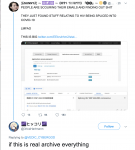
More good stuff : Wuhan Server General - Pastebin.com
I wish this turns out to be correct.....
🌌ヒッコリ🌌 on Twitter: "if this is real archive everything… "
archived 21 Apr 2020 05:28:47 UTC
More good stuff : Wuhan Server General - Pastebin.com
#BREAKING: The head of Pakistan's biggest charity organisation: Edhi Foundation, Faisal Edhi, has tested positive for #COVID19. Faisal Edhi had met Prime Minister Imran Khan few days ago to donate Pak Rs 10 million for PM's Corona Relief Fund. Will Imran Khan go into quarantine?
There are also reports coming that imran Khan met Army and ISI Chiefs after this meeting.....


There are also reports coming that imran Khan met Army and ISI Chiefs after this meeting.....


9 more Bangladeshis die of coronavirus in New York in 24 hrs
9 more Bangladeshis die of coronavirus in New York in 24 hrs

The virus affecting this website is showing clear signs of mutation.
Coronavirus | Huge spike in cases likely in Mumbai, says Central panel
Centre and Maharashtra spar over infection estimates.
China’s Coronavirus Diplomacy Has Finally Pushed Europe Too Far
(Bloomberg) -- With a series of high-level summits culminating in a visit to Germany in the fall by President Xi Jinping, this was supposed to be the year of Europe-China diplomacy. Instead, Europeans...
China’s Coronavirus Diplomacy Has Finally Pushed Europe Too Far
Alan Crawford and Peter Martin
BloombergApril 22, 2020, 4:52 AM GMT+1
(Bloomberg) -- With a series of high-level summits culminating in a visit to Germany in the fall by President Xi Jinping, this was supposed to be the year of Europe-China diplomacy. Instead, Europeans are warning of a damaging rift.
Diplomats talk of mounting anger over China’s behavior during the coronavirus pandemic including claims of price gouging by Chinese suppliers of medical equipment and a blindness to how its actions are perceived. The upshot is that Beijing’s handling of the crisis has eroded trust just when it had a chance to demonstrate global leadership.
“Over these months China has lost Europe,” said Reinhard Buetikofer, a German Green party lawmaker who chairs the European Parliament’s delegation for relations with China. He cited concerns from China’s “truth management” in the early stages of the virus to an “extremely aggressive” stance by the Ministry of Foreign Affairs in Beijing and “hard line propaganda” that champions the superiority of Communist Party rule over democracy.

Indian researchers to go for clinical trial of `sepsis drug’ against novel coronavirus
By Jyoti Singh
New Delhi | Updated on April 22, 2020 Published on April 22, 2020
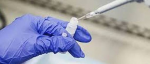
The Council of Scientific and Industrial Research (CSIR) is leaving no stone unturned in the battle against novel coronavirus. Repurposing of existing drugs is one of the strategies deployed by CSIR. The Council is implementing this strategy by evaluating an existing drug that is used for treating gram-negative sepsis patients.
The drug, Sepsivac, is available commercially. In Gram-negative sepsis patients and critically ill Covid-19 patients, the altered immune response leads to a massive change in the cytokine profile. Cytokines are produced in response to any infection. Cytokines are essential for host defence against pathogens. There are six types of cytokines, each having different families of cytokines. A different mix of cytokines, called cytokine profiles, acts on various pathogens. One of the significant contributors to death by Covid-19 is heightened immune response, called a cytokine storm. The immune system starts attacking both infected and uninfected cells. It makes no difference between a friend and a foe, leading to tissue damage resulting in Sepsis. The drug modulates the immune system of the body and thereby inhibits the cytokine storm leading to reduced mortality and faster recovery.
Patients affected by Gram-negative Sepsis also undergo a cytokine storm. Looking at similarities between clinical characteristics of patients suffering from Covid-19 and Gram-negative sepsis, CSIR is now initiating a randomized, blinded, two arms, active comparator-controlled clinical trial to evaluate the efficacy of the drug for reducing mortality (deaths) in critically ill Covid-19 patients. The Drugs Controller General of India (DCGI) has approved the trial, and it will start soon at multiple hospitals.
The drug contains heat-killed Mycobacterium W (Mw). It is found to be safe in patients, and no systemic side effects are associated with its use. It can be used concurrently with any other therapies required in the management of such critically ill patients without any restriction. Its unique properties include boosting protective immunity (Th1, TLR2 agonist) and suppressing non-protective response (Th2). "Extensive clinical trials have been conducted by Cadila Pharmaceuticals Ltd on preventing deaths against gram-negative Sepsis, with more than 50% reduction in deaths of critically ill patients. We are hoping that the clinical trials will show this to be equally useful in reducing deaths due to Covid-19,” said Shekhar C Mande, Director General, CSIR.
CSIR through its flagship New Millennium Indian Technology Leadership Initiative (NMITLI) program, has been supporting Cadila Pharmaceuticals Ltd., Ahmedabad since 2007 for developing this drug to save lives of critically ill patients suffering from Gram-negative Sepsis. This entire development effort (pre-clinical and clinical studies) has been supervised by CSIR appointed Monitoring Committee. The drug has been shown to reduce the mortality of critically ill patients by more than half. It also leads to faster recovery of organ dysfunction seen in this condition. It is now approved for marketing in India.
Indian researchers to go for clinical trial of `sepsis drug’ against novel coronavirus
By Jyoti Singh
New Delhi | Updated on April 22, 2020 Published on April 22, 2020
The Council of Scientific and Industrial Research (CSIR) is leaving no stone unturned in the battle against novel coronavirus. Repurposing of existing drugs is one of the strategies deployed by CSIR. The Council is implementing this strategy by evaluating an existing drug that is used for treating gram-negative sepsis patients.
The drug, Sepsivac, is available commercially. In Gram-negative sepsis patients and critically ill Covid-19 patients, the altered immune response leads to a massive change in the cytokine profile. Cytokines are produced in response to any infection. Cytokines are essential for host defence against pathogens. There are six types of cytokines, each having different families of cytokines. A different mix of cytokines, called cytokine profiles, acts on various pathogens. One of the significant contributors to death by Covid-19 is heightened immune response, called a cytokine storm. The immune system starts attacking both infected and uninfected cells. It makes no difference between a friend and a foe, leading to tissue damage resulting in Sepsis. The drug modulates the immune system of the body and thereby inhibits the cytokine storm leading to reduced mortality and faster recovery.
Patients affected by Gram-negative Sepsis also undergo a cytokine storm. Looking at similarities between clinical characteristics of patients suffering from Covid-19 and Gram-negative sepsis, CSIR is now initiating a randomized, blinded, two arms, active comparator-controlled clinical trial to evaluate the efficacy of the drug for reducing mortality (deaths) in critically ill Covid-19 patients. The Drugs Controller General of India (DCGI) has approved the trial, and it will start soon at multiple hospitals.
The drug contains heat-killed Mycobacterium W (Mw). It is found to be safe in patients, and no systemic side effects are associated with its use. It can be used concurrently with any other therapies required in the management of such critically ill patients without any restriction. Its unique properties include boosting protective immunity (Th1, TLR2 agonist) and suppressing non-protective response (Th2). "Extensive clinical trials have been conducted by Cadila Pharmaceuticals Ltd on preventing deaths against gram-negative Sepsis, with more than 50% reduction in deaths of critically ill patients. We are hoping that the clinical trials will show this to be equally useful in reducing deaths due to Covid-19,” said Shekhar C Mande, Director General, CSIR.
CSIR through its flagship New Millennium Indian Technology Leadership Initiative (NMITLI) program, has been supporting Cadila Pharmaceuticals Ltd., Ahmedabad since 2007 for developing this drug to save lives of critically ill patients suffering from Gram-negative Sepsis. This entire development effort (pre-clinical and clinical studies) has been supervised by CSIR appointed Monitoring Committee. The drug has been shown to reduce the mortality of critically ill patients by more than half. It also leads to faster recovery of organ dysfunction seen in this condition. It is now approved for marketing in India.
Indian researchers to go for clinical trial of `sepsis drug’ against novel coronavirus
Indian firms begin developing remdesivir for Covid-19 research, hope to land licensing deal
In a trial involving monkeys, early treatment of Covid-19 with remdesivir has shown to reduce symptoms of the disease and lung damage.
By Himani Chandna
22 April, 2020 12:00 pm IST
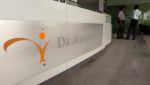
The Innovation Plaza building on the Dr. Reddy's Laboratories Ltd. campus in Hyderabad (representational image) | Prashanth Vishwanathan/Bloomberg
New Delhi: Indian drug makers are preparing to develop remdesivir, an experimental drug that failed to cure Ebola but is now being touted as the best shot against Covid-19
Key pharma companies including Cipla, Glenmark and Dr. Reddys, according to the industry sources, have started working on the development of the drug which is under patent protection until 2035.
The companies are hoping that the US-based Gilead Sciences, which owns the drug patent, will grant them licensing provisions, like it did with hepatitis C drug Sovaldi in 2014, so production can then begin.
But for now, according to the “Bolar Provision”, the companies are allowed to formulate the drug, strictly for the research and development purposes. “Due to this, key pharma companies have started the process to develop the drug’s raw material, the active pharmaceutical ingredients (APIs),” an industry source told ThePrint.
The Bolar Provision is a defence against patent infringement. It allows generic drug makers to develop a drug, conduct research on it but they can only launch it in the market after the expiry of the innovator company’s patents. Using this provision, companies file for generic drug approvals many years before the original patent expires.
“We are in the development phase of the drug. We are also working on the development of Japanese flu drug Favipiravir. However, it is strictly for the purpose of R&D and it cannot be marketed as it is covered under the patent,” said the official working at Mumbai-based Cipla, who was not allowed to speak to the media.
Cipla, however, officially refused to comment. “Our spokesperson is unable to respond to your query at present. Will let you know in case there is an update,” it said.
“The key players have started working on the drug already. We can definitely crack this one,” said an official working with the Mumbai-based Glenmark, requesting anonymity. “Once Gilead or the Indian government allows the manufacturing, Indian companies are likely to start supplying the drug within one month.”
Mails sent to Glenmark too did not elicit an official response.
While industry sources indicated that the Hyderabad-based Dr. Reddy’s is also working on the drug, its spokesperson said, “We do not comment on our development pipeline, and have no further comment at this point of time.”
The drug once manufactured by domestic companies can also help apex health research organisation, Indian Council of Medical Research (ICMR), which is involved in designing the treatment protocols for Covid-19.
“Initial data based on an observational study shows that the drug (remdesivir) is effective. We will wait for the results from the WHO solidarity trial and also see if some other companies can work on this to proceed further,” said Raman Gangakhedkar, head scientist at ICMR during the daily briefing Saturday.
This is how India can access the patented remdesivir
Industry experts believe that the US-based Gilead Sciences may announce provisions along the lines it issued in 2014, allowing Indian drug makers to produce the Hepatitis C drug Sovaldi, which was then patented and phenomenally expensive.
If it does allow production of remdesivir, the drug could be made at $9 per treatment, which is less than Rs 700 for 14 days.
“The company (Gilead Lifesciences) is likely to announce a compulsory licensing arrangement with our drug makers that would allow them to produce generic versions of remdesivir. If not, the patent act allows Indian government to evoke laws that would allow Indian firms to manufacture patented drugs in case of epidemics,” said an official from the ministry of health and family welfare.
“Most likely, Gilead will announce licensing provisions but it is premature to initiate any discussion with them (right now) as the drug hasn’t yet reached the final phase of trials,” the official added.
Gilead had in 2014 announced a licensing agreement with firms including India’s Cipla and Ranbaxy Laboratories (now Sun Pharma) clearing the way for the launch of cheap generic versions of Sovaldi in 91 developing countries.
The company’s executive vice president, corporate affairs and general counsel, Brett Pletcher, has hinted at following the same provision of providing licenses to low-cost manufacturing partners.
“We have a long legacy of making our medicines broadly available… This was made possible through our partnerships with low-cost manufacturing partners. We granted the first voluntary licenses for our HIV medications in 2006 and, in 2011, we were the first biopharmaceutical company to donate to the Medicines Patent Pool,” he said in a response to an international humanitarian organisation Médecins Sans Frontières’ open letter that had asked Gilead to immediately take action and ensure access of potential Covid-19 treatment.
“Over the years, we have worked with our manufacturing partners to provide not only a license, but also the technology transfer and support to scale production,” he had said. “While the circumstances are different, it is this legacy that offers us insight into how we can provide remdesivir, should it receive regulatory authorisation, during this pandemic.”
Promising results
The American research body, National Institutes of Health and Gilead, has published results of the pre-clinical trials of remdesivir based on animals. In a trial involving 12 rhesus macaques, a species of monkey, early treatment of Covid-19 with remdesivir has shown to reduce symptoms of the disease and lung damage.
The study found that when six macaques were treated with the drug, while the others were untreated, within seven days, the macaques treated with remdesivir were significantly healthier than those in the control group.
“…animals treated with remdesivir did not show signs of respiratory disease and had reduced pulmonary infiltrates on radiographs,” said the study. “Virus titers in bronchoalveolar lavages were significantly reduced as early as 12hrs after the first treatment was administered. At necropsy on day 7 after inoculation, lung viral loads of remdesivir-treated animals were significantly lower and there was a clear reduction in damage to the lung tissue.”
Indian firms begin developing remdesivir for Covid-19 research, hope to land licensing deal
In a trial involving monkeys, early treatment of Covid-19 with remdesivir has shown to reduce symptoms of the disease and lung damage.
By Himani Chandna
22 April, 2020 12:00 pm IST
The Innovation Plaza building on the Dr. Reddy's Laboratories Ltd. campus in Hyderabad (representational image) | Prashanth Vishwanathan/Bloomberg
New Delhi: Indian drug makers are preparing to develop remdesivir, an experimental drug that failed to cure Ebola but is now being touted as the best shot against Covid-19
Key pharma companies including Cipla, Glenmark and Dr. Reddys, according to the industry sources, have started working on the development of the drug which is under patent protection until 2035.
The companies are hoping that the US-based Gilead Sciences, which owns the drug patent, will grant them licensing provisions, like it did with hepatitis C drug Sovaldi in 2014, so production can then begin.
But for now, according to the “Bolar Provision”, the companies are allowed to formulate the drug, strictly for the research and development purposes. “Due to this, key pharma companies have started the process to develop the drug’s raw material, the active pharmaceutical ingredients (APIs),” an industry source told ThePrint.
The Bolar Provision is a defence against patent infringement. It allows generic drug makers to develop a drug, conduct research on it but they can only launch it in the market after the expiry of the innovator company’s patents. Using this provision, companies file for generic drug approvals many years before the original patent expires.
“We are in the development phase of the drug. We are also working on the development of Japanese flu drug Favipiravir. However, it is strictly for the purpose of R&D and it cannot be marketed as it is covered under the patent,” said the official working at Mumbai-based Cipla, who was not allowed to speak to the media.
Cipla, however, officially refused to comment. “Our spokesperson is unable to respond to your query at present. Will let you know in case there is an update,” it said.
“The key players have started working on the drug already. We can definitely crack this one,” said an official working with the Mumbai-based Glenmark, requesting anonymity. “Once Gilead or the Indian government allows the manufacturing, Indian companies are likely to start supplying the drug within one month.”
Mails sent to Glenmark too did not elicit an official response.
While industry sources indicated that the Hyderabad-based Dr. Reddy’s is also working on the drug, its spokesperson said, “We do not comment on our development pipeline, and have no further comment at this point of time.”
The drug once manufactured by domestic companies can also help apex health research organisation, Indian Council of Medical Research (ICMR), which is involved in designing the treatment protocols for Covid-19.
“Initial data based on an observational study shows that the drug (remdesivir) is effective. We will wait for the results from the WHO solidarity trial and also see if some other companies can work on this to proceed further,” said Raman Gangakhedkar, head scientist at ICMR during the daily briefing Saturday.
This is how India can access the patented remdesivir
Industry experts believe that the US-based Gilead Sciences may announce provisions along the lines it issued in 2014, allowing Indian drug makers to produce the Hepatitis C drug Sovaldi, which was then patented and phenomenally expensive.
If it does allow production of remdesivir, the drug could be made at $9 per treatment, which is less than Rs 700 for 14 days.
“The company (Gilead Lifesciences) is likely to announce a compulsory licensing arrangement with our drug makers that would allow them to produce generic versions of remdesivir. If not, the patent act allows Indian government to evoke laws that would allow Indian firms to manufacture patented drugs in case of epidemics,” said an official from the ministry of health and family welfare.
“Most likely, Gilead will announce licensing provisions but it is premature to initiate any discussion with them (right now) as the drug hasn’t yet reached the final phase of trials,” the official added.
Gilead had in 2014 announced a licensing agreement with firms including India’s Cipla and Ranbaxy Laboratories (now Sun Pharma) clearing the way for the launch of cheap generic versions of Sovaldi in 91 developing countries.
The company’s executive vice president, corporate affairs and general counsel, Brett Pletcher, has hinted at following the same provision of providing licenses to low-cost manufacturing partners.
“We have a long legacy of making our medicines broadly available… This was made possible through our partnerships with low-cost manufacturing partners. We granted the first voluntary licenses for our HIV medications in 2006 and, in 2011, we were the first biopharmaceutical company to donate to the Medicines Patent Pool,” he said in a response to an international humanitarian organisation Médecins Sans Frontières’ open letter that had asked Gilead to immediately take action and ensure access of potential Covid-19 treatment.
“Over the years, we have worked with our manufacturing partners to provide not only a license, but also the technology transfer and support to scale production,” he had said. “While the circumstances are different, it is this legacy that offers us insight into how we can provide remdesivir, should it receive regulatory authorisation, during this pandemic.”
Promising results
The American research body, National Institutes of Health and Gilead, has published results of the pre-clinical trials of remdesivir based on animals. In a trial involving 12 rhesus macaques, a species of monkey, early treatment of Covid-19 with remdesivir has shown to reduce symptoms of the disease and lung damage.
The study found that when six macaques were treated with the drug, while the others were untreated, within seven days, the macaques treated with remdesivir were significantly healthier than those in the control group.
“…animals treated with remdesivir did not show signs of respiratory disease and had reduced pulmonary infiltrates on radiographs,” said the study. “Virus titers in bronchoalveolar lavages were significantly reduced as early as 12hrs after the first treatment was administered. At necropsy on day 7 after inoculation, lung viral loads of remdesivir-treated animals were significantly lower and there was a clear reduction in damage to the lung tissue.”
Indian firms begin developing remdesivir for Covid-19 research, hope to land licensing deal
