The Indian Air Force (IAF) has a proud legacy of undertaking basic flight training in South India. IAF air bases and training establishments
capssindia.org
A History of Partnership: The Indian Air Force and the Growth of Indigenous Basic Trainer Production in South India
Training Need
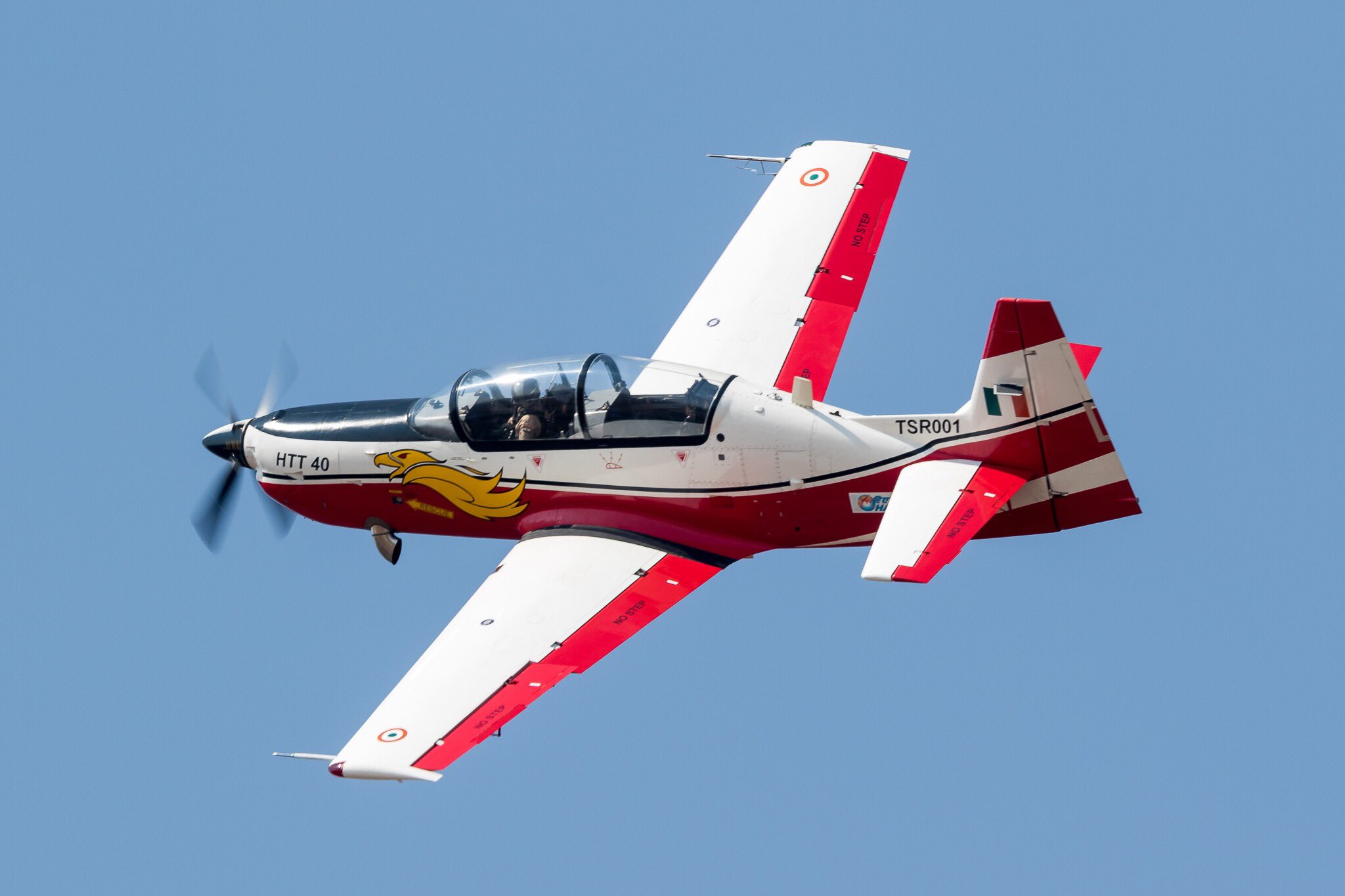
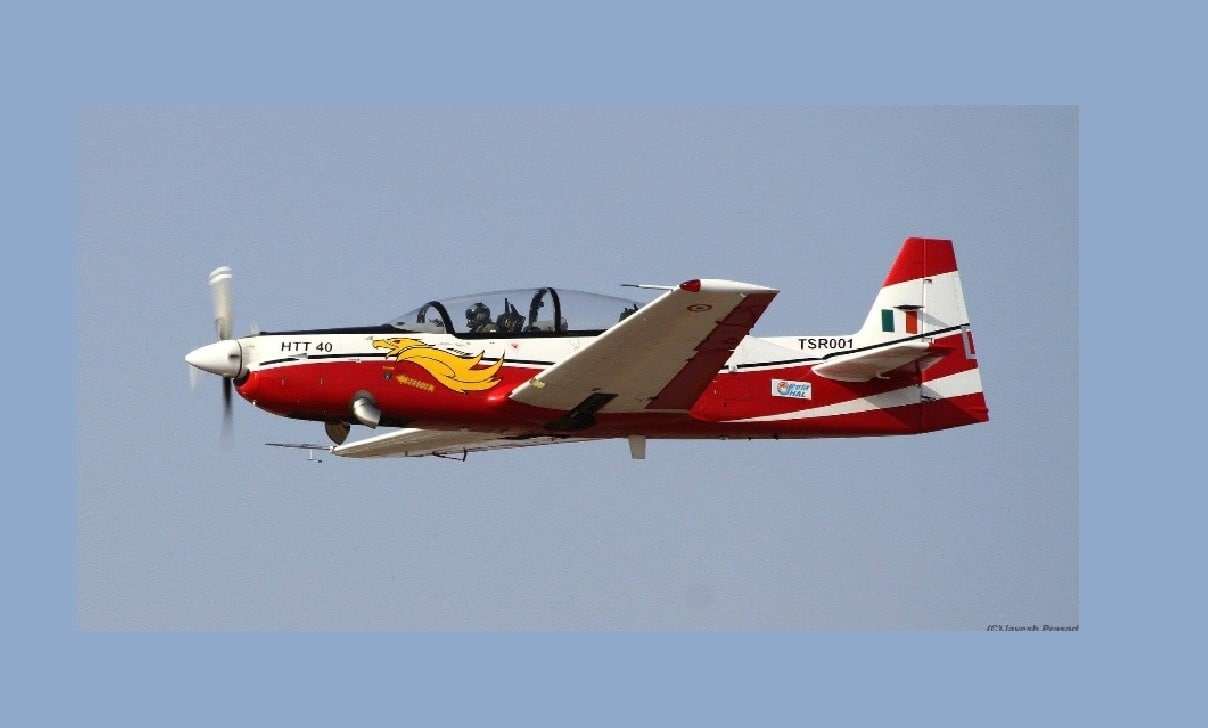
The HTT-40 will be used for basic flight training, aerobatics, instrument flying, close formation flight training, navigation and night flying. HAL also has plans for a future weaponised variant intended for weapons training, Counterinsurgency (COIN) and limited strike missions. This variant will have four pylons for carrying weapons and other stores, and could also be fitted with a Head Up Display (HUD). The tandem-seat turboprop basic trainer is also a fully aerobatic aircraft.
The IAF has played a pioneering role in the use of simulators for training, and HAL will deliver several synthetic training aids for the HTT-40, including a Fixed Base Full mission Simulator (FBFMS), Cockpit Procedure Trainer (CPT) and Avionics Part Task Trainer (APTT). It is expected that 30 per cent of the training on the HTT-40 will be met through synthetic training. The IAF had earlier acquired two FBFMS, three CPTs and one APTT for its PC-7 MKII fleet.
Origins
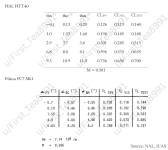
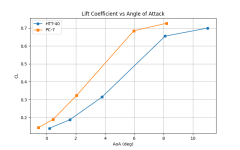
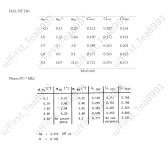
According to a former HAL official involved in the design and development of the HTT-40, the flying characteristics of the HTT-40 are comparable to the Kiran jet trainer. He stated that HAL test pilots were happy with the HTT-40’s docile handling qualities, with the stall behaviour and maneuvrability being good. There is a high level of commonality between equipment fitted on the HTT-40 and what is used on LCA ‘Tejas’, HJT-36 IJT, ALH, LUH and Dornier Do-228. The Landing Gear and Cockpit Canopy were designed and fabricated by HAL.
Delivering on a Promise
While deliveries of the HTT-40 were planned to begin in September 2025, the IAF is now likely to receive its first aircraft in 2026. Deliveries of all 70 aircraft are to be completed by HAL by March 2030.
Training Impact
A 2024 Report of the Comptroller and Auditor General of India on Training of Pilots in Indian Air Force presented in Parliament in December 2024 stated that “between the period 2016 to 2021, against the planned initial intake of 222 trainees annually, the initial annual intake ranged between 158 and 204 trainees. Also, the annual intake after wastage ranged between 124 and 167. As a result, the shortage of pilots rose from 486 to 596, which was expected to be filled up between January 2021 and January 2030,” the CAG report informed.
New Age Trainer
The HTT-40 is capable of hot-refuelling, which allows the aircraft to be refuelled with the engine running. It is also capable of undertaking a running change, where, with the engine running, the propellers can be put into reverse, changing the blade angle. This results in no rotor downwash, allowing the canopy to be opened and the next cadet to strap into the aircraft. The HTT-40 flight test crew have rated cockpit visibility, crew comfort and the Environmental Control System as excellent. During conducted hot weather trials at Nashik, the cockpit temperature was maintained at a comfortable 25 °C as against an outside air temperature of 47 °C.
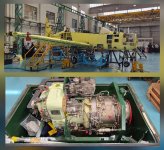
The HTT-40 features a largely all-metal construction and makes limited use of composites. HAL has put in extensive effort to ensure that the aircraft is easily maintainable, with the aim of achieving a high daily sortie rate along with high flight line availability. The indigenously developed BTAs are expected to fly 300 hours annually and will have a Total Technical Life (TTL) of 10,000 hours/30 years. HAL aims to deliver a 1200-hour Time Between Overhaul (TBO).
Development of indigenous military platforms has substantially spun off to the local industry. The HTT-40 is expected to have an indigenous content of 56 per cent for the initial aircraft produced, and this will progressively increase to over 60 per cent over the course of the programme through indigenisation of major components and subsystems. The HTT-40 programme could eventually provide direct employment to approximately 1,500 personnel, along with indirect employment for up to 3,000 people spread over more than 100 MSMEs.