

Indonesian Navy : Discussions
- Thread starter BMD
- Start date
You are using an out of date browser. It may not display this or other websites correctly.
You should upgrade or use an alternative browser.
You should upgrade or use an alternative browser.
@vstol Jockey did you know that the Indonesian govt claimed the Andamans as their own in 1971 and were thiking of an invasion?

Thats a very old story. Got buried long back.@vstol Jockey did you know that the Indonesian govt claimed the Andamans as their own in 1971 and were thiking of an invasion?
Thats a very old story. Got buried long back.
I think the real reason why it got buried is because we started parking aircraft carriers there
 . I mean, that makes all questions of ownership immedeately irrelevant....sau sonar ki, ek lohaar ki


Italy readies quick sale of patrol ships to Indonesia amid China fears
Shipbuilder Fincantieri has several PPA vessels in the pipeline that Jakarta could receive soon, an Italian junior defense minister said.
 www.defensenews.com


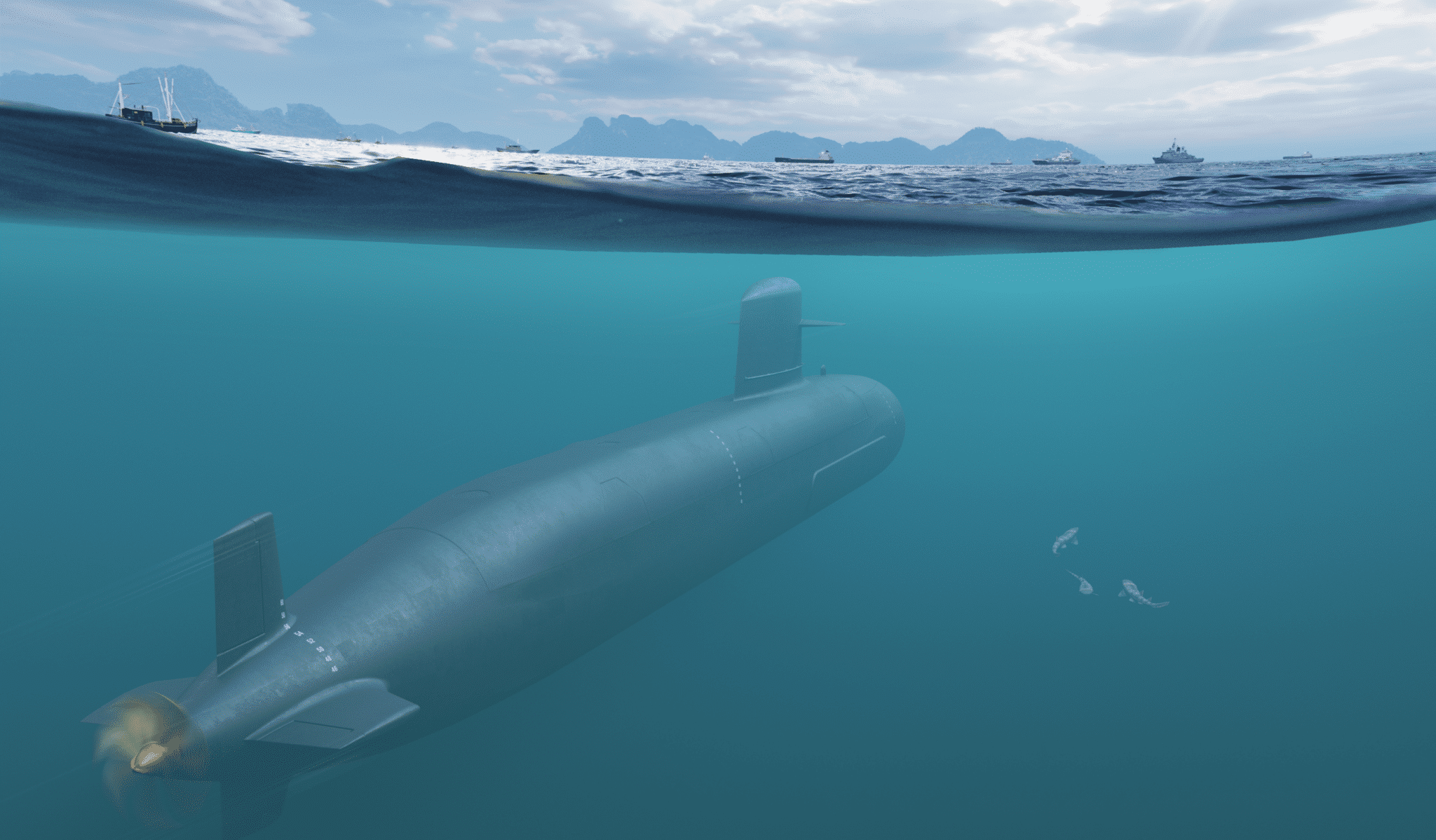
Indonesia Moving Closer to 'Scorpene Evolved' Submarine Deal - Naval News
There is a growing momentum between Indonesia and Naval Group towards the potential signing of a contract for two Scorpene Evolved Submarines
 www.navalnews.com
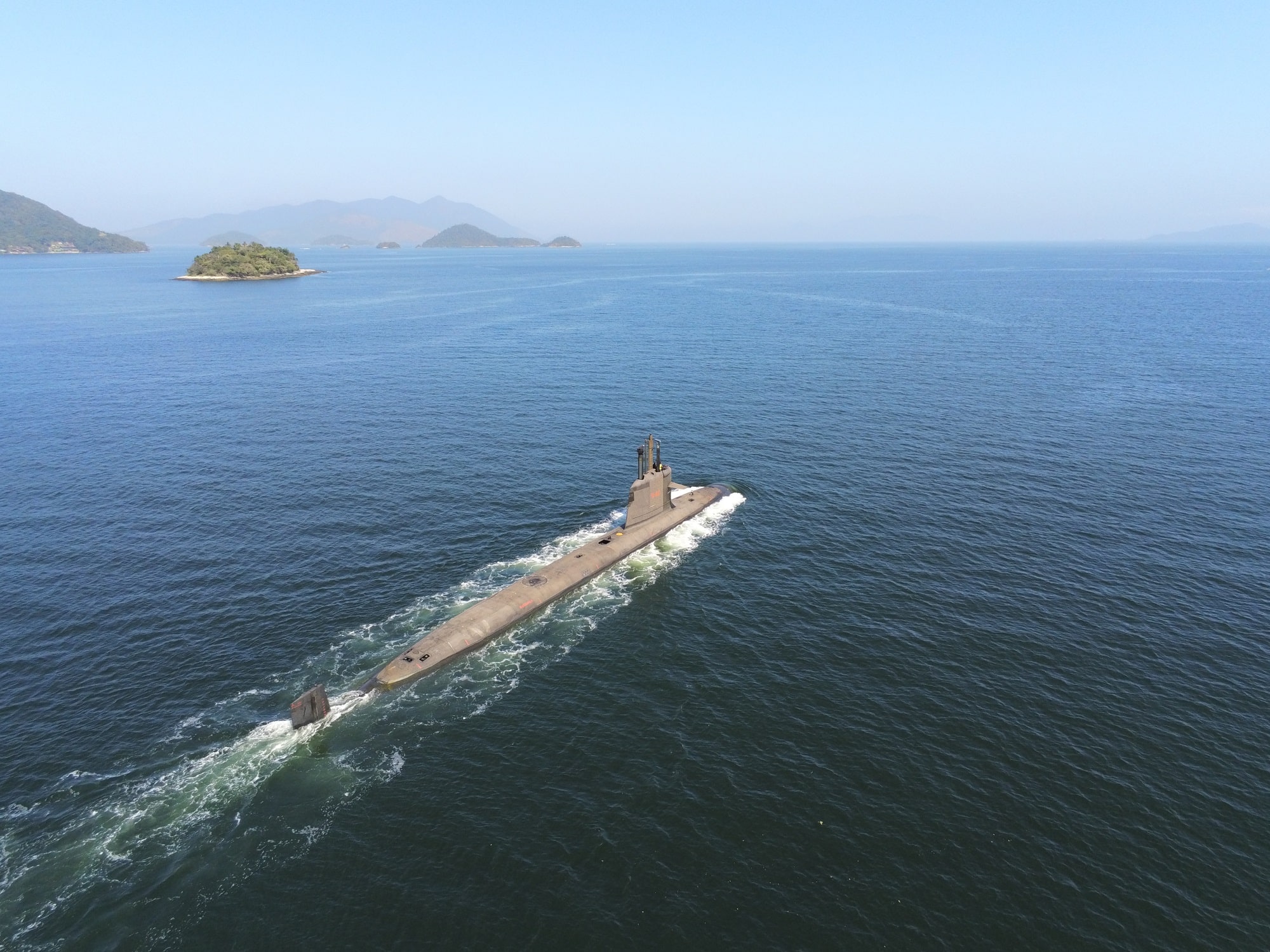
Indonesia Ink Contract with Naval Group and PT Pal for 2 Scorpène Evolved submarines - Naval News
Indonesia chose Naval Group and PT PAL to strengthen the capabilities of the Indonesian Navy with two Scorpène Evolved submarines.
www.navalnews.com

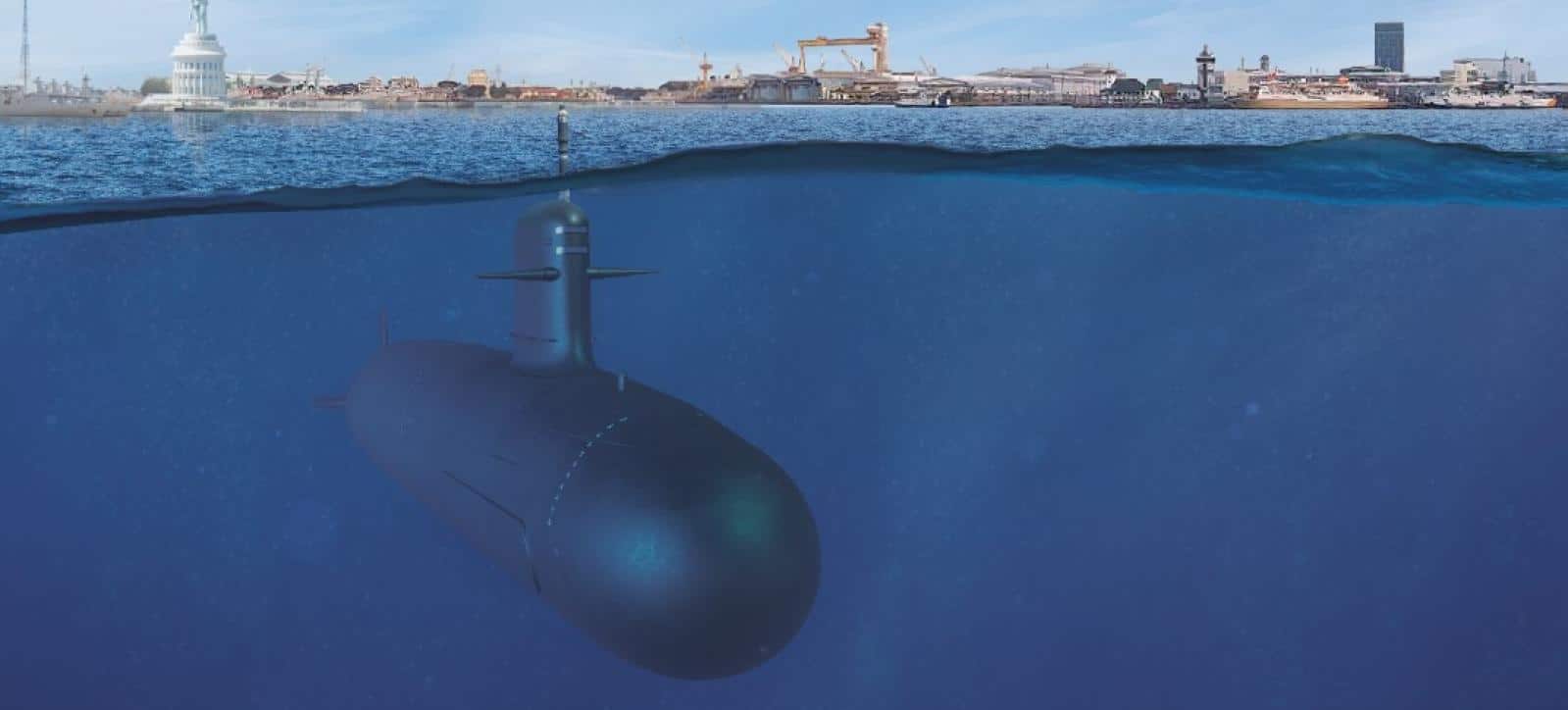
Entry into force of the Scorpène Evolved submarines contract for Indonesia - Naval News
The contract for the delivery of two Scorpène Evolved submarines to be built in Indonesia has entered into force on July 23th 2025.
www.navalnews.com
From:

 gentleseas.blogspot.com
august 29
gentleseas.blogspot.com
august 29
Indonesia’s contract with Naval Group (NG) for the production of two Scorpene Evolved (Evo)s entered into force on July 23, 2025. Both boats will be built at Indonesia’s national shipbuilder PT PAL Surabaya facilities.
This program will soon see the first batch of Indonesian ship welders sent to France for ‘technical instruction’. 50 NG personnel will eventually be stationed at the PT PAL Surabaya facilities to train 400 Indonesian engineers in submarine construction.
According to Pierre Eric Pommellet, Chairman and CEO of NG, this will be a long-term strategic partnership with Indonesia to help establish a sovereign naval industry. Although there was no mention of the duration of the contract or how many boats will ultimately be delivered.
Indonesia Business Post.com reports “the submarines will not only be constructed locally, but will also be managed, operated, and maintained entirely by Indonesian personnel, reinforcing Indonesia's long-term naval autonomy.” This project will also create thousands of highly-skilled jobs in Indonesia, especially as NG has signed a Memorandum of Understanding (MoU) with Indonesia’s National Research and Innovation Agency (BRIN) for "future maritime defense R&D."
According to Indonesia’s Chief of Naval Staff, Admiral Muhammad Ali, the first boat could take up to seven or eight years to build. This is because PT PAL has to establish a local supply chain and production facilities, including the installation of a Syncrolift system for shiplift and ship transfer.
Indonesia is also entering into a Defense Cooperation Agreement (DCA) with Brazil to develop missile technology (Brazil has developed the Astros II system with a range of 500km) and submarine systems.
PT PAL's major shipbuilding facility (above) is located in the city of Surabaya, co-located with the Indonesian Navy's 2nd Fleet Command.
The Surabaya facility is currently building a Makassar-class LPD variant (also see) for the United Arab Emirates Navy, as well as two Merah Putih (Red White) frigates, which are Arrowhead 140 derivatives.
The Scorpene Evolved is an update that provides the Indonesian Navy with the longest range Scorpene variant, using a full Li-ion configuration without an AIP module. Indonesia's Scorpene boats were offered with the Italian developed Black Shark torpedo (already used by Indonesia) the NG F21 torpedoe and MBDA Exocet SM39 SLCMs.
On April 2, 2024 NG published the "Scorpène® Evolved main characteristics" below:
"Surfaced displacement: 1,600 – 2,000 tons ;
Length, overall: 72 m ;
Submerged speed: >20 knots ;
Diving depth: >300 m ;
Autonomy: >78 days on a 80 days mission ;
Submerged autonomy: >12 days ;
Crew: 31 ;
Weapons total payload: 18 ;
Weapon tubes: 6 ;
SUBTICS combat management system ;
Operational availability at sea: >240 days per year."
These has been little detailed OSINT information, to date, on Indonesia's future submarine procurement. But the speed PT PAL Indonesia has so far taken at the beginning of this build program is highly indicative of the priority of this project with the Indonesian government. Once the infrastructure and supply chain have been established, there should be further orders.
The Indonesian Navy has a long-term requirement for 12 submarines. This could extend to PT PAL building up to 12 Scorpene Evo boats, including replacements for the single remaining Cakra-class (Type 209-1300) and three newer Nagapasa-class(Type 209-1400) boats now in service. There are also export possibilities to nations, such as the Philippines and Malaysia (which operates two Scorpene SSKs). /END
Indonesia's PT PAL Scorpene Evo Build Program & Other Ships
A professional level blog on strategic matters, especially submarines (nuclear and conventional) in English, Hindi & most other major languages.
gentleseas.blogspot.com
Indonesia’s contract with Naval Group (NG) for the production of two Scorpene Evolved (Evo)s entered into force on July 23, 2025. Both boats will be built at Indonesia’s national shipbuilder PT PAL Surabaya facilities.
This program will soon see the first batch of Indonesian ship welders sent to France for ‘technical instruction’. 50 NG personnel will eventually be stationed at the PT PAL Surabaya facilities to train 400 Indonesian engineers in submarine construction.
According to Pierre Eric Pommellet, Chairman and CEO of NG, this will be a long-term strategic partnership with Indonesia to help establish a sovereign naval industry. Although there was no mention of the duration of the contract or how many boats will ultimately be delivered.
Indonesia Business Post.com reports “the submarines will not only be constructed locally, but will also be managed, operated, and maintained entirely by Indonesian personnel, reinforcing Indonesia's long-term naval autonomy.” This project will also create thousands of highly-skilled jobs in Indonesia, especially as NG has signed a Memorandum of Understanding (MoU) with Indonesia’s National Research and Innovation Agency (BRIN) for "future maritime defense R&D."
According to Indonesia’s Chief of Naval Staff, Admiral Muhammad Ali, the first boat could take up to seven or eight years to build. This is because PT PAL has to establish a local supply chain and production facilities, including the installation of a Syncrolift system for shiplift and ship transfer.
Full transfer of Scorpene Technology
NG has also transferred Scorpene technology to India and Brazil, where the ProSub program, initiated in 2009, has delivered three out of four Riachuelo-class SSKs. Brazil's SSN derivative of the Scorpene, the Alvaro Alberto* [see my post below], is set to launch in 2031.Indonesia is also entering into a Defense Cooperation Agreement (DCA) with Brazil to develop missile technology (Brazil has developed the Astros II system with a range of 500km) and submarine systems.
PT PAL's major shipbuilding facility (above) is located in the city of Surabaya, co-located with the Indonesian Navy's 2nd Fleet Command.
The Surabaya facility is currently building a Makassar-class LPD variant (also see) for the United Arab Emirates Navy, as well as two Merah Putih (Red White) frigates, which are Arrowhead 140 derivatives.
The Scorpene Evolved is an update that provides the Indonesian Navy with the longest range Scorpene variant, using a full Li-ion configuration without an AIP module. Indonesia's Scorpene boats were offered with the Italian developed Black Shark torpedo (already used by Indonesia) the NG F21 torpedoe and MBDA Exocet SM39 SLCMs.
On April 2, 2024 NG published the "Scorpène® Evolved main characteristics" below:
"Surfaced displacement: 1,600 – 2,000 tons ;
Length, overall: 72 m ;
Submerged speed: >20 knots ;
Diving depth: >300 m ;
Autonomy: >78 days on a 80 days mission ;
Submerged autonomy: >12 days ;
Crew: 31 ;
Weapons total payload: 18 ;
Weapon tubes: 6 ;
SUBTICS combat management system ;
Operational availability at sea: >240 days per year."
These has been little detailed OSINT information, to date, on Indonesia's future submarine procurement. But the speed PT PAL Indonesia has so far taken at the beginning of this build program is highly indicative of the priority of this project with the Indonesian government. Once the infrastructure and supply chain have been established, there should be further orders.
The Indonesian Navy has a long-term requirement for 12 submarines. This could extend to PT PAL building up to 12 Scorpene Evo boats, including replacements for the single remaining Cakra-class (Type 209-1300) and three newer Nagapasa-class(Type 209-1400) boats now in service. There are also export possibilities to nations, such as the Philippines and Malaysia (which operates two Scorpene SSKs). /END
Last edited:
08/30/25
On Thursday, August 28, the Brazilian Official Gazette published two contracts worth approximately €600 million signed between the General Directorate of Nuclear and Technological Development of the Navy (DGDNTM) and the French group Naval Group, as part of the Submarine Development Program (Prosub).
The first contract, worth €246.3 million, is for the provision of special engineering, procurement, and construction services for the electromechanical assembly of the Controlled Auxiliary Building (PAC) of the Nuclear Energy Production Laboratory (LABGENE). This contract will be valid for 72 months, starting on June 4, 2025, the date of its signature.
The second contract, worth €282.1 million, is for the provision of specialized technical consulting services for the additional systems of the nuclear attack submarine (SSN), named Álvaro Alberto. This 54-month contract will also begin in June.
Both contracts were awarded without a competitive tender. Their total approximate value is R$3.171 billion.
Located in Aramar, São Paulo state, LABGENE is one of the pillars of the Navy's nuclear program and serves as a land-based prototype of the reactor that will power the Brazilian nuclear submarine. It will allow for the validation, in a controlled environment, of the reactor's operation, safety systems, and power generation before its installation at the Álvaro Alberto Nuclear Submarine Control Center (SNCA).
The Álvaro Alberto nuclear submarine is considered the most ambitious project in Brazilian naval history. Unlike the four conventional Riachuelo-class submarines already delivered or under construction, the Álvaro Alberto will be the first in Latin America to be nuclear-powered, ensuring greater autonomy, sustained speed, and the ability to remain at sea.
Naval Group, a strategic partner of Brazil since the launch of the Prosub program in 2008, was previously responsible for technology transfer and support for the construction of conventional submarines at the Itaguaí shipyard in Rio de Janeiro. It is now expanding its participation to the nuclear phase, considered the most complex of the program.
With the advances in the Prosub, Brazil is moving closer to the select group of countries that dominate naval nuclear propulsion technology—currently limited to the United States, Russia, China, the United Kingdom, France, and India. The Álvaro Alberto will represent not only a technological leap forward, but also a geopolitical strengthening, reinforcing strategic deterrence capabilities in the South Atlantic and protecting the resources of the pre-salt layer – located in very deep waters, under a thick layer of salt – and the Blue Amazon – a concept referring to the vast maritime area under Brazilian jurisdiction. /END
The Brazilian Navy signs contracts with Naval Group worth approximately €600 million to advance the "Álvaro Alberto" nuclear attack submarine
On Thursday, August 28, the Brazilian Official Gazette published two contracts worth approximately €600 million signed between the General Directorate of Nuclear and Technological Development of the Navy (DGDNTM) and the French group Naval Group, as part of the Submarine Development Program (Prosub).
The first contract, worth €246.3 million, is for the provision of special engineering, procurement, and construction services for the electromechanical assembly of the Controlled Auxiliary Building (PAC) of the Nuclear Energy Production Laboratory (LABGENE). This contract will be valid for 72 months, starting on June 4, 2025, the date of its signature.
The second contract, worth €282.1 million, is for the provision of specialized technical consulting services for the additional systems of the nuclear attack submarine (SSN), named Álvaro Alberto. This 54-month contract will also begin in June.
Both contracts were awarded without a competitive tender. Their total approximate value is R$3.171 billion.
Located in Aramar, São Paulo state, LABGENE is one of the pillars of the Navy's nuclear program and serves as a land-based prototype of the reactor that will power the Brazilian nuclear submarine. It will allow for the validation, in a controlled environment, of the reactor's operation, safety systems, and power generation before its installation at the Álvaro Alberto Nuclear Submarine Control Center (SNCA).
The Álvaro Alberto nuclear submarine is considered the most ambitious project in Brazilian naval history. Unlike the four conventional Riachuelo-class submarines already delivered or under construction, the Álvaro Alberto will be the first in Latin America to be nuclear-powered, ensuring greater autonomy, sustained speed, and the ability to remain at sea.
Naval Group, a strategic partner of Brazil since the launch of the Prosub program in 2008, was previously responsible for technology transfer and support for the construction of conventional submarines at the Itaguaí shipyard in Rio de Janeiro. It is now expanding its participation to the nuclear phase, considered the most complex of the program.
With the advances in the Prosub, Brazil is moving closer to the select group of countries that dominate naval nuclear propulsion technology—currently limited to the United States, Russia, China, the United Kingdom, France, and India. The Álvaro Alberto will represent not only a technological leap forward, but also a geopolitical strengthening, reinforcing strategic deterrence capabilities in the South Atlantic and protecting the resources of the pre-salt layer – located in very deep waters, under a thick layer of salt – and the Blue Amazon – a concept referring to the vast maritime area under Brazilian jurisdiction. /END

y is indonesia spending so much on defense? what enemies do they even have(apart from china) who they can realistically take on?

First Local Construction of Scorpène Evolved to Begin This Month in Indonesia - Naval News
PT PAL Indonesia and Naval Group organised a press tour of PT PAL’s submarine construction facilities in Surabaya, East Java, to showcase preparations for the start of construction of two Scorpène Evolved submarines for the Indonesian Navy (TNI AL)
www.navalnews.com
Delivery -> 2033 and 2034
Up to 80 days at sea
18 Torpedoes / SM39 / SM40
PT PAL’s RDI program director, Rear Admiral (Ret.) Wiranto—who served on the Indonesian Navy’s Whiskey-class and Type 209 submarines—stated that the Scorpène Evolved project is part of Phase II of Indonesia’s national program to master submarine technology. This program aims to enable the country to design, build, and eventually export its own indigenous submarines between 2042 and 2050.
PT PAL and Naval Group revealed they have discussed the possibility of making Indonesia a joint production site for Scorpène submarines ordered by other nations, as well as a hub for maintenance, repair, and overhaul (MRO) activities for other navies' Scorpène fleets.
However, in response to a question from Naval News, Naval Group indicated that such cooperation would require a new formal agreement, as the current contract does not grant Indonesia the right to market or sell the Scorpène to third countries.
Representatives from PT PAL and Naval Group also stated that they are exploring broader cooperation beyond the Scorpène program; Naval Group has proposed other products, including technology transfers related to weapon systems such as missiles and torpedoes.
Regarding the possibility of Indonesia ordering additional Scorpène Evolved submarines, both companies confirmed that negotiations are ongoing.
