
Brexit and Future of UK : Discussions
- Thread starter Vergennes
- Start date
You are using an out of date browser. It may not display this or other websites correctly.
You should upgrade or use an alternative browser.
You should upgrade or use an alternative browser.
???
it's a low blow

Nothing low about anything here. The only difference between Germany and other Europian imperialists of that time is that the Germans tried to colonize whole of Europe.


There is a lot of substitution possible. RENK, ZF, ...Bugatti transmissions.
Fact is that many old colonized country were then far better managed than now. See how Africa works... so much natural ressources, and so much poor peoples.Nothing low about anything here. The only difference between Germany and other Europian imperialists of that time is that the Germans tried to colonize whole of Europe.

How many 7-speed dual clutch transmissions capable of taking 1500lbft have they made before?There is a lot of substitution possible. RENK, ZF, ...
See Venezuela, worst managed economy on Earth. 300bn bbls of oil and bust. Honk Kong and Macau, far higher GDP/Capita than the rest of China, despite 'imperial' ownership up until the late '90s. Singapore and Malaysia, also doing better than neighbouring countries despite the same up until the '60s. South Africa's economy was even doing better under Apartheid rule despite sanctions and Zimbabwe speaks for itself. The Indians provide a very distorted version of European empires. Probably something their education system brainwashes them with.Fact is that many old colonized country were then far better managed than now. See how Africa works... so much natural ressources, and so much poor peoples.
Bugatti transmissions.
absolutely and as @Bon Plan has to be told now....make these damn things yourself from now onwards. We don't need any of it in Britain anymore. People have spoken.
I'm sure Renault can make them one. Their gearboxes are well known for longevity.


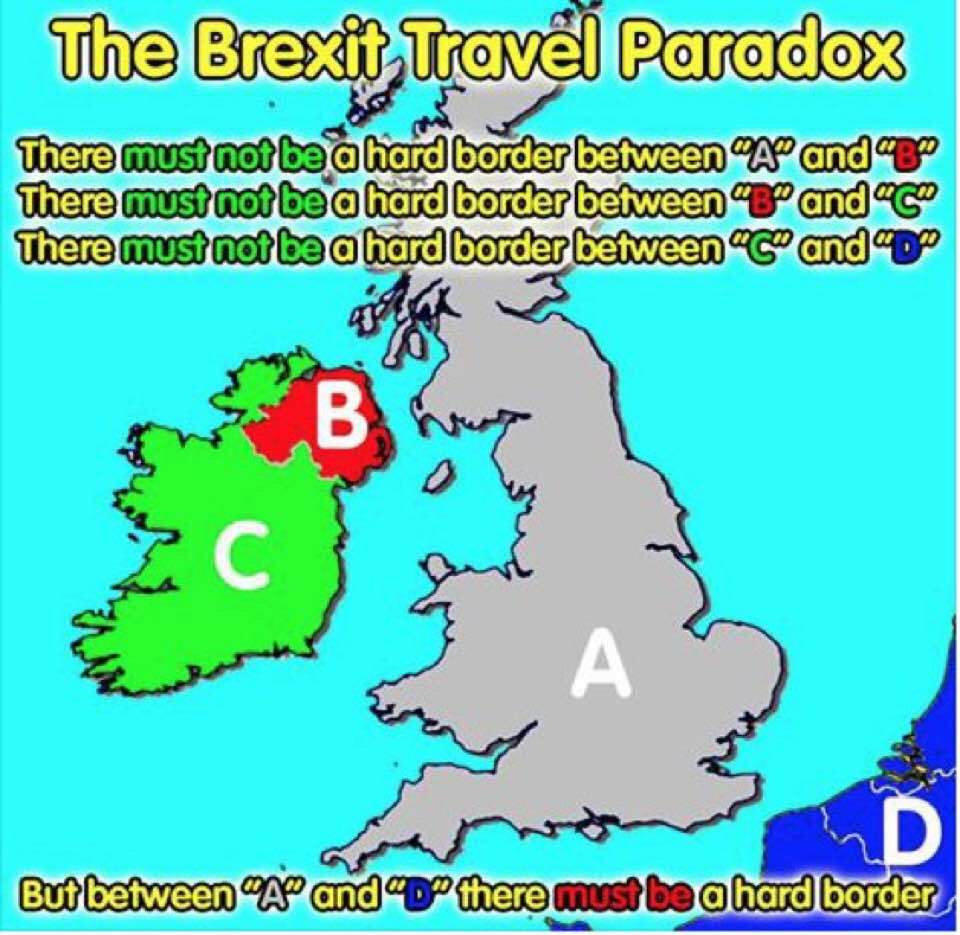
And I suppose the UK could do the same? You clearly have no geographical knowledge whatsoever. There is no way you could put that volume of trade across that border.Europe will not lose the British market. Just go through Ireland. You can thank the DUP for that, by the way, they want no hard border between Ireland and Great Britain.
Subscribe to read. C&P please.

Subscribe to read. C&P please.
The EU has toughened its conditions for a post-Brexit transition deal for the UK, demanding that Britain abide by stricter terms on immigration, external trade agreements and fishing rights for nearly two years after it leaves the bloc. The revised “directives” drawn up by EU member states for Michel Barnier, Brussels’ chief negotiator, complicate the talks by giving him more precise instructions on several politically sensitive topics for the UK, according to a draft seen by the Financial Times. These include extending free movement rights and a special status to all EU citizens arriving before the final day of the transition at the end of 2020. It also requires that British ministers seek “authorisation” from Brussels in order to continue benefiting from EU trade deals that it would otherwise fall out of on Brexit day. David Davis, Brexit secretary, declined to comment.
Finalising a transition deal is now the most urgent Brexit issue facing Theresa May’s government after the UK prime minister secured a divorce deal at last month’s EU summit. British businesses are anxious for assurances they will be able to operate under current European law and that they will get these pledges at least 12 months ahead of Britain’s scheduled exit in March 2019. Although both sides accept the transition will be a “stand still” agreement that will keep the status quo in place, success is far from guaranteed and could become complicated politically by the perception Brussels is dictating terms to the UK. By tightening the mandate for Mr Barnier, the remaining 27 member states are raising the stakes for negotiations over coming weeks. At the behest of Poland and other central and eastern European countries, the amended document restricts the UK’s ability to apply a new immigration system to EU nationals arriving during the transition. “In particular, the provisions of the citizens’ rights part of the withdrawal agreement should apply as from the end of the transition period,” the paper states.
This would mean individuals arriving in the UK after Brexit but before 2021 would be eligible to stay in the UK indefinitely, and for the most part could not be denied work permits under any new immigration regime. Other revisions tighten the conditions for Britain as it seeks to re-establish the benefits of hundreds of EU international agreements— such as the trade deal with Korea or Canada — that legally fall away on Brexit day. The EU changes emphasise that British ministers, during the transition, will not be able to enter agreements with non-EU countries to replace the benefits of those lost deals “unless authorised to do so by the union”. The original version had been more ambiguous about the need for permission. Some officials involved in negotiations, however, noted that the revised text could be interpreted more favourably for the UK, since it included broader language about Britain remaining “bound by the obligations stemming from the agreements” and explicitly noted the possibility of UK striking its own deals.
The original version simply stated that the UK “will no longer benefit” from agreements and that the EU “may consider” arrangements to help the UK maintain rights in international trade. Highlighting what is likely to become one of the hardest parts of the negotiation, the text also clarifies rules for setting fishing quotas. Diplomats said the language aimed to underline that Britain’s share of catches in UK waters — fixed for decades under the “relative stability” quota arrangement — was not open to negotiation. Rather than a special procedure to negotiate the total catch allowed in British waters, the text says there should only be “specific consultations” with regard to fishing during the transition period, which remain “in full respect” of EU law.
This waters down what Michael Gove, the UK’s environment secretary, saw as a more flexible EU position in the original draft. “We will be an independent coastal state in law when we leave and the arrangements for fisheries need to reflect that,” Mr Gove told the Sunday Times this weekend. Several other changes to the text remove ambiguities and tighten conditions. These include insisting the UK will only be invited to attend regulatory committees “exceptionally on a case-by-case basis”. It adds language making clear that the legal effect of EU law will be the same on Britain as any other EU member state, a sensitive point for some Brexiters. “This means, in particular, that the direct effect and primacy of union law should be preserved,” the paper states.
Subscribe to read. C&P please.
There's a simple way to get around the FT pay wall.
Just copy paste the article title onto Google. You bypass the paywall when you click on FT links through Google.
The article's from Jan.
Thank god the europeans are finally coming to their senses. For a while I was wondering if Teresa May will get angry and ban all exports to EU as retaliation for their ransigence.
Doesn't work for me.There's a simple way to get around the FT pay wall.
Just copy paste the article title onto Google. You bypass the paywall when you click on FT links through Google.
The article's from Jan.
A no deal is almost certain now thankfully. The EU has ruled out the Chequers deal, and even an FTA has been ruled out due to their Northern Ireland clause. Let the tariffs commence.
Last edited:
The EU doesn't understand the limits of its power. It is the UK who decides who can stay in the UK after Brexit. We could toss any and all of its people back at any time if we wanted, but especially any unemployed who arrive during the transition period. There may not even be a transition period if there is no deal because it would mean us having to pay them for 2 more years, which is a waste of money. Barnier may even have a nasty fishing accident.The EU has toughened its conditions for a post-Brexit transition deal for the UK, demanding that Britain abide by stricter terms on immigration, external trade agreements and fishing rights for nearly two years after it leaves the bloc. The revised “directives” drawn up by EU member states for Michel Barnier, Brussels’ chief negotiator, complicate the talks by giving him more precise instructions on several politically sensitive topics for the UK, according to a draft seen by the Financial Times. These include extending free movement rights and a special status to all EU citizens arriving before the final day of the transition at the end of 2020. It also requires that British ministers seek “authorisation” from Brussels in order to continue benefiting from EU trade deals that it would otherwise fall out of on Brexit day. David Davis, Brexit secretary, declined to comment.
Finalising a transition deal is now the most urgent Brexit issue facing Theresa May’s government after the UK prime minister secured a divorce deal at last month’s EU summit. British businesses are anxious for assurances they will be able to operate under current European law and that they will get these pledges at least 12 months ahead of Britain’s scheduled exit in March 2019. Although both sides accept the transition will be a “stand still” agreement that will keep the status quo in place, success is far from guaranteed and could become complicated politically by the perception Brussels is dictating terms to the UK. By tightening the mandate for Mr Barnier, the remaining 27 member states are raising the stakes for negotiations over coming weeks. At the behest of Poland and other central and eastern European countries, the amended document restricts the UK’s ability to apply a new immigration system to EU nationals arriving during the transition. “In particular, the provisions of the citizens’ rights part of the withdrawal agreement should apply as from the end of the transition period,” the paper states.
This would mean individuals arriving in the UK after Brexit but before 2021 would be eligible to stay in the UK indefinitely, and for the most part could not be denied work permits under any new immigration regime. Other revisions tighten the conditions for Britain as it seeks to re-establish the benefits of hundreds of EU international agreements— such as the trade deal with Korea or Canada — that legally fall away on Brexit day. The EU changes emphasise that British ministers, during the transition, will not be able to enter agreements with non-EU countries to replace the benefits of those lost deals “unless authorised to do so by the union”. The original version had been more ambiguous about the need for permission. Some officials involved in negotiations, however, noted that the revised text could be interpreted more favourably for the UK, since it included broader language about Britain remaining “bound by the obligations stemming from the agreements” and explicitly noted the possibility of UK striking its own deals.
The original version simply stated that the UK “will no longer benefit” from agreements and that the EU “may consider” arrangements to help the UK maintain rights in international trade. Highlighting what is likely to become one of the hardest parts of the negotiation, the text also clarifies rules for setting fishing quotas. Diplomats said the language aimed to underline that Britain’s share of catches in UK waters — fixed for decades under the “relative stability” quota arrangement — was not open to negotiation. Rather than a special procedure to negotiate the total catch allowed in British waters, the text says there should only be “specific consultations” with regard to fishing during the transition period, which remain “in full respect” of EU law.
This waters down what Michael Gove, the UK’s environment secretary, saw as a more flexible EU position in the original draft. “We will be an independent coastal state in law when we leave and the arrangements for fisheries need to reflect that,” Mr Gove told the Sunday Times this weekend. Several other changes to the text remove ambiguities and tighten conditions. These include insisting the UK will only be invited to attend regulatory committees “exceptionally on a case-by-case basis”. It adds language making clear that the legal effect of EU law will be the same on Britain as any other EU member state, a sensitive point for some Brexiters. “This means, in particular, that the direct effect and primacy of union law should be preserved,” the paper states.

A no deal is almost certain now thankfully. The EU has ruled out the Chequers deal, and even an FTA has been ruled out due to their Northern Ireland clause. Let the tariffs commence.
I see Britane is planning to win the trade war through massive devaluation.
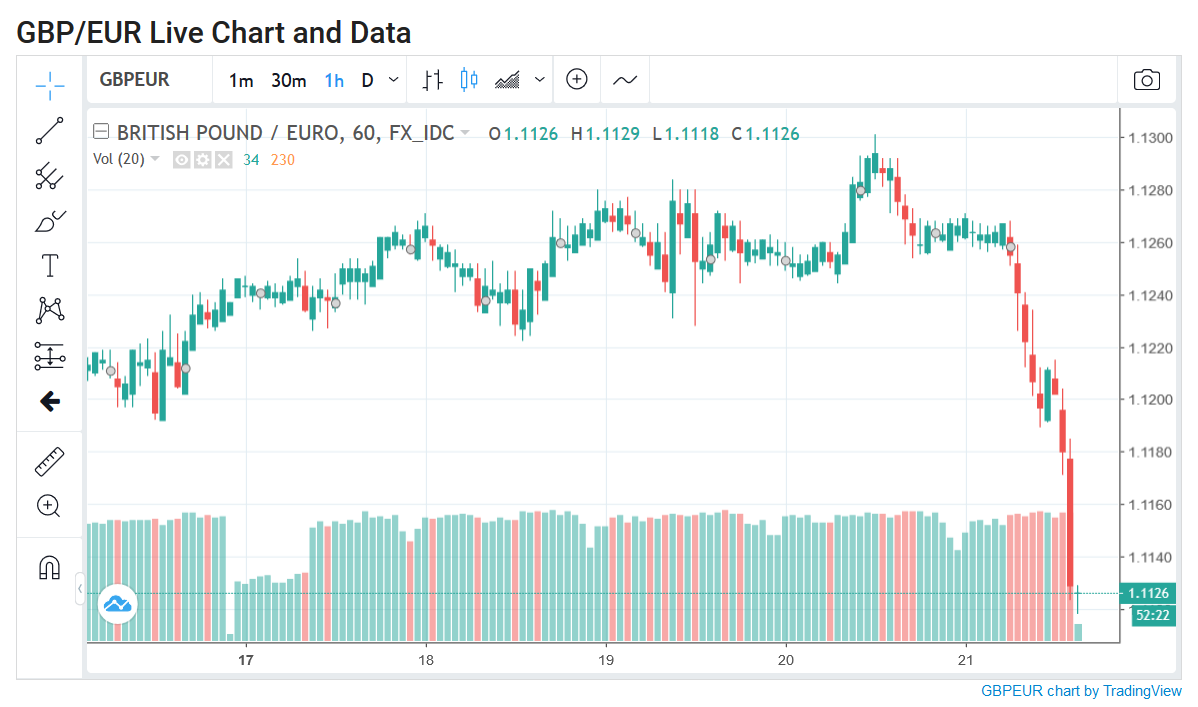
Most sneaky and underhanded.
It is obvious that UK is not going to get all the benefits of EU without being a party to its goals. If you can gets all benefits of EU without being a part of it, then what is the incentive for other nations to be a part of it? It will ultimately result in the collapse of EU if it happens.
So, the only option EU have is to go hard on UK and exclude it from the benefits of common market, as long as it didn't submit to the strategic and political objectives of EU.
So, the only option EU have is to go hard on UK and exclude it from the benefits of common market, as long as it didn't submit to the strategic and political objectives of EU.
Fact is that many old colonized country were then far better managed than now. See how Africa works... so much natural ressources, and so much poor peoples.
You realy don't want me to start talking about the condition of Africa under colonialism. And yes, nothing much changed in many countries. Again, Doesn't really change the point. The only difference Germans had with other European nations was their decision to attempt the colonization of Europe.