

Brexit and Future of UK : Discussions
- Thread starter Vergennes
- Start date
You are using an out of date browser. It may not display this or other websites correctly.
You should upgrade or use an alternative browser.
You should upgrade or use an alternative browser.


It's affecting everything, games, movies, TV series etc.
It's affecting everything, games, movies, TV series etc.
Yeah, quite literally everything. Bollywood's been the same for decades. It was South India that kept things real, just like Japan is doing for the rest of the world today. But even they are now being forced to change, we already see that with Sony's Concorde. They apparently spent $400m to make it, not including acquisition costs, and it bombed. They pulled the game out in 2 weeks.
If they kill entertainment this way, I have no clue what people are gonna do. The tweet says it will make people more docile, but I think it will do the opposite, when young men will have too much time on their hands.

Petition: Call a General Election
I would like there to be another General Election. I believe the current Labour Government have gone back on the promises they laid out in the lead up to the last election.
 petition.parliament.uk
The recent back-and-forth on this forum regarding Brexit, economic indicators, and governance highlights a crucial reality: in a world of complex geopolitical shifts and fiscal volatility, a solid understanding of Legal and Economic frameworks is no longer optional—it is a survival skill.
As participants debated the Fiscal Deficit (hovering near 6%–9% of GDP depending on the year) and the Debt-to-GDP ratio (shifting from 67% to over 82%), it becomes clear that these aren't just dry numbers. They represent the legal and policy decisions that determine a nation’s future. For the younger generation watching these shifts, the ability to decode "Legal" and "Political" jargon is the difference between being a passive observer and an informed citizen.
Bridging the Knowledge Gap
The discussion touched on several high-stakes legal and structural areas:
Labor Laws: The debate over land and labor law changes is at the heart of industrial policy. Understanding the legal protections for workers versus the requirements for high-value manufacturing (like semiconductors) is a core component of modern social studies.
International Treaties: References to the Lisbon Treaty and the Pandemic Treaty remind us that international law governs everything from freedom of movement to global health responses.
Constitutional Rights: The mention of the "Right to Property" and 2/3rd majorities highlights how constitutional law can be altered, fundamentally changing a country’s economic landscape.
For students and lifelong learners who find these forum debates fascinating but perhaps a bit overwhelming, UNICCM provides the foundational building blocks. Our Legal and Social Studies modules are designed to help school children and young adults understand:
How Laws are Made: Moving past the "he-said, she-said" of politics to understand the legislative process.
Economic Literacy: Understanding inflation, GDP, and national debt so they can verify "economic miracle" claims for themselves.
Civic Responsibility: Learning the history of governance—from the UK’s parliamentary system to India’s democratic fundamentals.
As participants debated the Fiscal Deficit (hovering near 6%–9% of GDP depending on the year) and the Debt-to-GDP ratio (shifting from 67% to over 82%), it becomes clear that these aren't just dry numbers. They represent the legal and policy decisions that determine a nation’s future. For the younger generation watching these shifts, the ability to decode "Legal" and "Political" jargon is the difference between being a passive observer and an informed citizen.
Bridging the Knowledge Gap
The discussion touched on several high-stakes legal and structural areas:
Labor Laws: The debate over land and labor law changes is at the heart of industrial policy. Understanding the legal protections for workers versus the requirements for high-value manufacturing (like semiconductors) is a core component of modern social studies.
International Treaties: References to the Lisbon Treaty and the Pandemic Treaty remind us that international law governs everything from freedom of movement to global health responses.
Constitutional Rights: The mention of the "Right to Property" and 2/3rd majorities highlights how constitutional law can be altered, fundamentally changing a country’s economic landscape.
For students and lifelong learners who find these forum debates fascinating but perhaps a bit overwhelming, UNICCM provides the foundational building blocks. Our Legal and Social Studies modules are designed to help school children and young adults understand:
How Laws are Made: Moving past the "he-said, she-said" of politics to understand the legislative process.
Economic Literacy: Understanding inflation, GDP, and national debt so they can verify "economic miracle" claims for themselves.
Civic Responsibility: Learning the history of governance—from the UK’s parliamentary system to India’s democratic fundamentals.



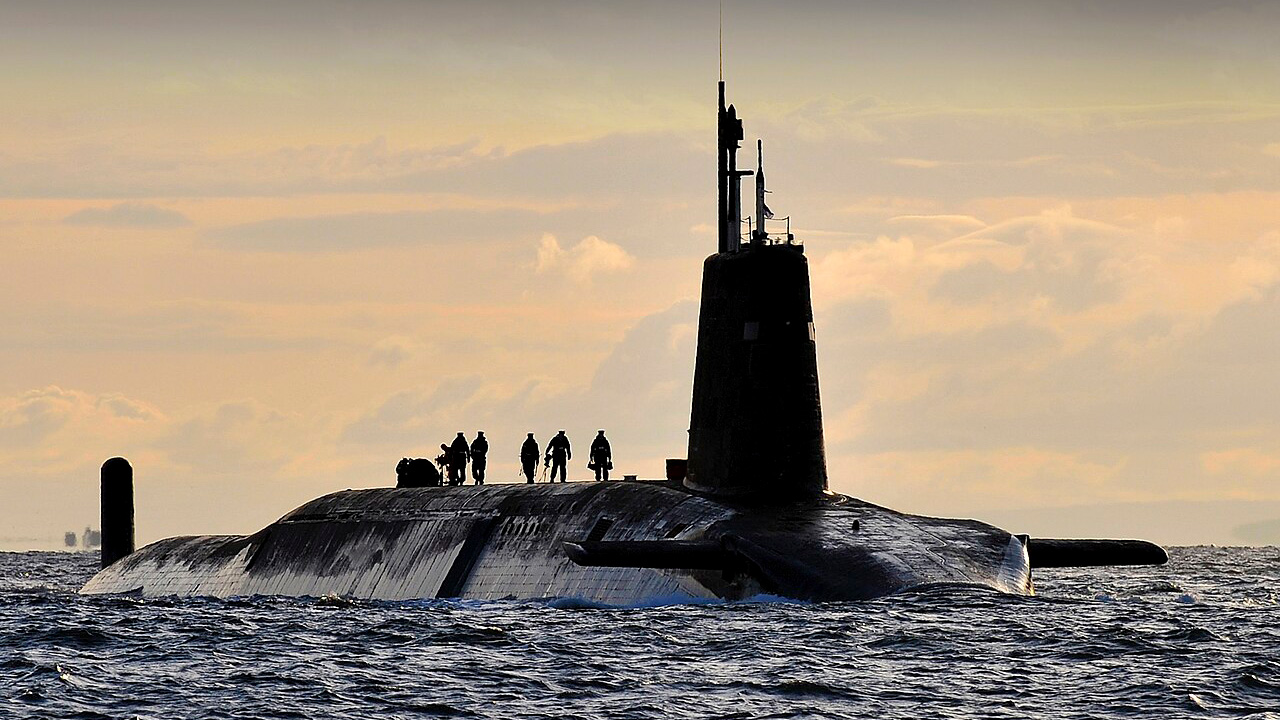
Germany reportedly considers helping fund UK nukes
According to an exclusive from The Telegraph, Germany is considering helping to fund Britain’s nuclear deterrent and providing conventional military support to protect key infrastructure such as Faslane, as Berlin explores deeper integration with the UK and France’s existing nuclear forces.
 ukdefencejournal.org.uk

UK Thwarts Suspected Terrorist Plot Against Base Used by US Bombers
An air base in England used by American bombers to strike Iran was the target of a suspected bomb plot, U.K. officials said Sept. 27.
 www.airandspaceforces.com
Burnham: Iran played part in suspected RAF terror plot
https://www.telegraph.co.uk/news/20...ran-played-part-in-suspected-raf-terror-plot/Andy Burnham has said there are “strong indications that Iran played a part” in the suspected terror plot near RAF Fairford

Judge Threatens To Sanction Trump After He Backs Out Of Deposition In $10 Billion BBC Case
The BBC told the court this week Trump was supposed to be deposed Friday, but his lawyers said he had “other matters of national importance” to attend to.