View attachment 50871
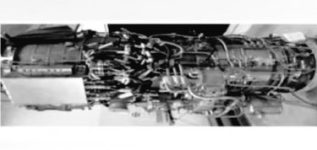
Why not make a Collaborative Combat Aircraft (CCA) designed around the Kaveri Dry Engine (KDE).
Engine Specifications (KDE)
- Dry Thrust (SLS): 46 kN (conservative)
- Dry Thrust (In-Flight): 50-52 kN (what matters for fighter design)
- Engine Weight: ~1,165 kg
- Engine T/W Ratio: 7.36:1 (excellent)
- SFC: 0.85 kg/(kN·h) - very efficient
- Status: Certification expected by 2026, in-flight testing ongoing
Aircraft Design Parameters
| Parameter | Value |
| MTOW | 8,000 kg |
| OEW | 3,760 kg (47% of MTOW) |
| Max Internal Fuel | 4,240 kg (53% fuel fraction) |
| Combat Weight | 6,320-6,368 kg (with 2 BVR missiles + 50% fuel) |
| Combat T/W Ratio | 0.81 (excellent for 1.2M + maneuvering) |
| Wing Area | 27.6 m² |
| Wing Loading | 290 kg/m² |
| Max Speed | 1.2 Mach (sustained, dry) |
| Service Ceiling | 40,000-42,000 ft |
| Combat Radius | 1,100-1,300 km |
| Endurance | 1.5-2.8 hours (on internal fuel) |
BVR Weapons Integration
- 2 × Astra Mk-3 (220 kg each) = 440 kg total
- OR 2 × Meteor (200 kg each) = 400 kg total
- Internal bay volume: 1.0-1.2 m³ (semi-recessed)
Strategic Advantages
- Atmanirbhar - 100% indigenous engine (KDE)
- Cost-effective - ~$25-28M flyaway cost (~50% of Tejas)
- Trainer-to-combat - Adversary training
- No afterburner - simpler, lower thermal signature, better fuel economy
- Superior combat T/W (0.81) - better turn performance than JF-17
- Internal weapons - low-RCS configuration
- Growth path - KDE with AB variant planned (78-80 kN wet)
Application
- CCA
- Adversary training
The KDE's proven dry thrust (46-50 kN) makes this design realistic and achievable within the next 4-6 years of development.


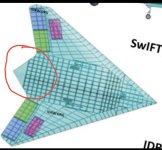
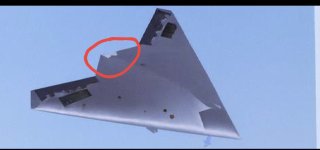


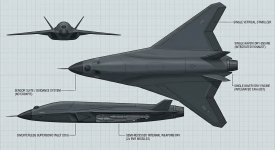

 and this concept pic of CCA looks absolutely amazing yet lethal.