Old news. Wasn't posted here.
CIPHOR: The Face of India’s Changing Defence Industry
19 August 2024
by alphadefense.in
 CIPHOR Pratiti – Under Testing with the Indian Navy
As India celebrates its 77th Independence Day in 2024, the nation reflects on its remarkable journey toward self-reliance, particularly in the defence sector. Over the years, the country has evolved from being heavily reliant on imports for military needs to becoming a hub of indigenous innovation. This transformation is most evident in the rise of companies like CIPHOR, which are at the forefront of driving change in India’s defence industry. During a recent visit to CIPHOR’s headquarters, we witnessed firsthand the energy and innovation that are propelling India’s defence sector forward.
The atmosphere at CIPHOR was abuzz with activity as engineers and developers prepared for an upcoming technology demonstration for a key customer. The company was also gearing up for final trials with the Indian Navy, a significant milestone before its latest products were officially inducted into service with the Indian Navy. The technologies on display were impressive, showcasing CIPHOR’s role in bolstering the nation’s defence capabilities.
 An engineer working on the RCS measurement device at CIPHOR, late into the night while preparing for trials with the Indian Navy.
𝗣𝗶𝗼𝗻𝗲𝗲𝗿𝗶𝗻𝗴 𝗗𝗲𝗳𝗲𝗻𝗰𝗲 𝗜𝗻𝗻𝗼𝘃𝗮𝘁𝗶𝗼𝗻𝘀: 𝗣𝗿𝗮𝘁𝗶𝘁𝗶, 𝗛𝗨𝗗𝗜𝗦, 𝗮𝗻𝗱 𝗠𝗼𝗿𝗲
An engineer working on the RCS measurement device at CIPHOR, late into the night while preparing for trials with the Indian Navy.
𝗣𝗶𝗼𝗻𝗲𝗲𝗿𝗶𝗻𝗴 𝗗𝗲𝗳𝗲𝗻𝗰𝗲 𝗜𝗻𝗻𝗼𝘃𝗮𝘁𝗶𝗼𝗻𝘀: 𝗣𝗿𝗮𝘁𝗶𝘁𝗶, 𝗛𝗨𝗗𝗜𝗦, 𝗮𝗻𝗱 𝗠𝗼𝗿𝗲
In a rapidly evolving defence landscape, CIPHOR has emerged as a leader in developing advanced technologies crucial for modern military operations. Among its standout products are Pratiti and HUDIS, both on track for induction into the Indian Navy, alongside its innovations in autonomous vehicles and AI-powered software.
Pratiti is a Radar Cross Section (RCS) Measurement Device developed entirely by CIPHOR. RCS is a critical measure of how detectable an object is by radar; it indicates the amount of radar signal that an object reflects back to the radar source. A lower RCS means the object is harder to detect, which is essential for stealth operations. Pratiti, a highly capable and compact system, allows for precise measurement of RCS, enabling the development and fine-tuning of stealth technologies. This capability is vital for India’s defence forces as they work to reduce the detectability of their assets, enhancing their effectiveness in modern warfare.
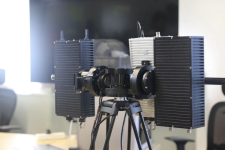 CIPHOR Pratiti – Radar Cross Section (RCS) Measurement Device being set-up for a test.
HUDIS
CIPHOR Pratiti – Radar Cross Section (RCS) Measurement Device being set-up for a test.
HUDIS (High-Performance Underwater Detection and Imaging System) is another groundbreaking product from CIPHOR, designed for a variety of naval operations. This system is essential for underwater tasks, including inspections, reconnaissance, and search and recovery efforts. HUDIS offers high-resolution imaging and precise detection capabilities, making it a valuable tool for the Navy. Its development by CIPHOR marks a significant step forward in India’s ability to conduct complex underwater missions with greater efficiency and effectiveness.
 HUDIS – being tested by the elite Marine Commandos (MARCOS) – special forces of the Indian Navy
Beyond these products, CIPHOR has also made significant advancements in autonomous vehicles and AI-powered software. Its autonomous vehicles are designed to operate in diverse and challenging environments, performing tasks such as reconnaissance, logistics, and combat support with minimal human intervention. These vehicles leverage sophisticated AI algorithms to navigate and complete missions, providing a significant tactical advantage in the field.
𝗧𝗵𝗲 𝗶𝗗𝗘𝗫 𝗣𝗿𝗼𝗴𝗿𝗮𝗺: 𝗔 𝗖𝗮𝘁𝗮𝗹𝘆𝘀𝘁 𝗳𝗼𝗿 𝗜𝗻𝗻𝗼𝘃𝗮𝘁𝗶𝗼𝗻
CIPHOR’s achievements, like many other defence startups in India, are closely tied to the 𝗶𝗗𝗘𝗫 (𝗜𝗻𝗻𝗼𝘃𝗮𝘁𝗶𝗼𝗻𝘀 𝗳𝗼𝗿 𝗗𝗲𝗳𝗲𝗻𝗰𝗲 𝗘𝘅𝗰𝗲𝗹𝗹𝗲𝗻𝗰𝗲) program, an initiative by the Ministry of Defence aimed at fostering innovation in the defence sector. 𝗶𝗗𝗘𝗫 has created a platform where startups and SMEs can collaborate with the military to develop cutting-edge technologies that bolster India’s self-reliance.
CIPHOR has been particularly successful in this program, winning five 𝗶𝗗𝗘𝗫 awards for its groundbreaking work across various fields. The Assistant Chief of Naval Staff of the Indian Navy even referred to CIPHOR as “one of the top defence startups in the country,” highlighting its growing influence and importance in the nation’s defence landscape.
𝗢𝘁𝗵𝗲𝗿 𝗡𝗼𝘁𝗮𝗯𝗹𝗲 𝗦𝘁𝗮𝗿𝘁𝘂𝗽𝘀 𝗳𝗿𝗼𝗺 𝗶𝗗𝗘𝗫
The 𝗶𝗗𝗘𝗫 program has nurtured several other promising startups, each contributing to India’s defence landscape in unique ways. For example, Tonbo Imaging has developed advanced imaging systems that are critical for night-time and all-weather surveillance. Meanwhile, ideaForge is known for its indigenously developed drones that are widely used for reconnaissance and border patrol. Big Bang Boom Solutions has focused on anti-drone technologies and see through armor. These companies, alongside CIPHOR, represent a new wave of innovation that is redefining India’s defence capabilities.
𝗚𝗹𝗼𝗯𝗮𝗹 𝗖𝗼𝗹𝗹𝗮𝗯𝗼𝗿𝗮𝘁𝗶𝗼𝗻𝘀: 𝗜𝗻𝗱𝘂𝘀-𝗫 𝗮𝗻𝗱 𝗕𝗲𝘆𝗼𝗻𝗱
India’s defence sector is not only growing through domestic innovation but also through strategic international collaborations. Programs like Indus-X, a joint initiative between India and the United States, are playing a crucial role in bolstering defence technology through shared expertise and resources.
Indus-X was launched as a platform to foster collaboration between Indian and American startups, industry leaders, and government agencies in the defence technology space. The initiative aims to bring together the best minds from both countries to co-develop cutting-edge technologies, enhance cybersecurity, and improve supply chain resilience. By engaging with global partners through Indus-X, India is accelerating the development of critical defence technologies and gaining access to advanced research and innovation ecosystems.
𝗔 𝗩𝗶𝘀𝗶𝗼𝗻 𝗳𝗼𝗿 𝘁𝗵𝗲 𝗙𝘂𝘁𝘂𝗿𝗲
As India marks its Independence Day in 2024, the progress in the defence sector stands as a testament to the country’s commitment to self-reliance and technological excellence. Companies like CIPHOR and other 𝗶𝗗𝗘𝗫 innovators are essential in driving this progress, pushing the boundaries of what is possible and positioning India as a global leader in defence technology. With ongoing product trials and upcoming demonstrations, CIPHOR is poised to further solidify its role as a central figure in India’s evolving defence landscape, contributing to the nation’s security and strategic autonomy for years to come.
CIPHOR : The Face of India's Changing Defence Industry - AlphaDefense.in







 same as overrated OFBs