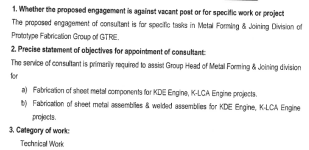
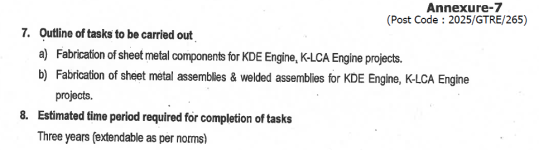
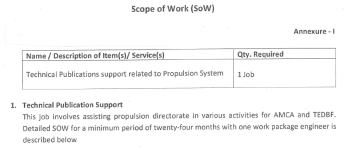
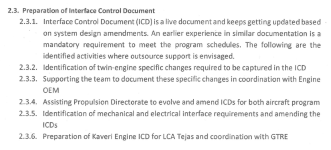
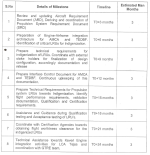
This kaveri is the dry version of the kaveri engine. In the job scope we can see mention of KDE and K-LCA. This means there are 2 phases. First the dry version of kaveri is manufactured. The next phase is integration of that dry kaveri engine on a LCA tejas testbed. This particular phase is critical which needs a different expertise something which HAL will provide. GTRE is the designer and maker of the kaveri engine, but they can not integrate the engine onto a testbed or a jet. That requires HAL like expertise.
Its also similar with the STFE Manik engine and ITCM, GTRE makes the Manik engine. Their workshare part is delivering a tested & QA cleared engine to ADE who is making the ITCM article. GTRE will assist in integration work , but it is ADE who would integrate the manik engine on the ITCM airframe and test it.
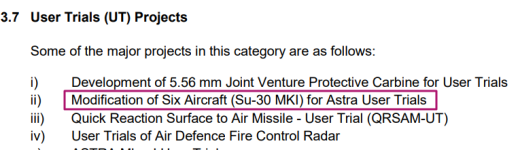
There are examples of such. The su30 modification for missile trials, the user hand over some aircrafts , these are then subcontracted by DRDO to HAL for modification work under project capital expenditure. DRDO themselves can not modify thee jets. HAL also has to take an insurance coverage in case of an accident (like the one overhauled Su30 crashed a few months ago while under trials) for the duration of the work. The kaveri dry engine integration with LCA will be similar I think. Actual full kaveri engine with afterburner flying on in service airframe, that day is still far away.
View attachment 43565