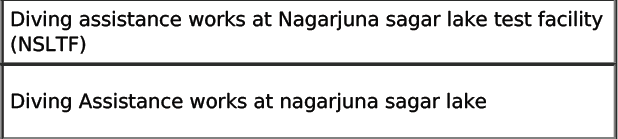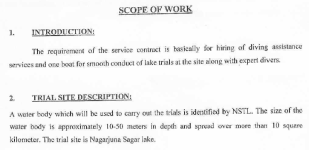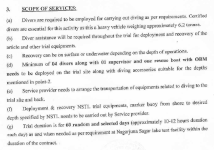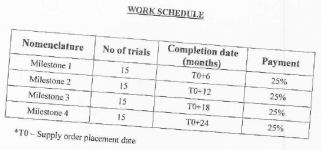

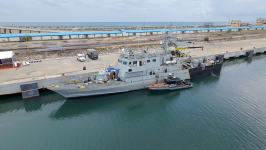
We got some specs of the Matangi USV:
Length: 13 m
Fuel capacity: 1200 liters
Range: 1600 km +
Hull types: Aluminum alloy hull (for ISR missions), Glass fiber reinforced composite (for MCM), Reinforced Kevlar (for ASW).
Missions: ISR, ASW, MCM
Sensors/Comms: Solid state doppler radar, possible EO/IR sights, SATCOMs, collision avoidance systems.
Weapons: 12.7 mm RCWS, Loitering munitions, Light torpedoes.
Domestically designed & manufactured except the engines.
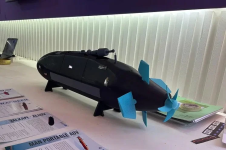
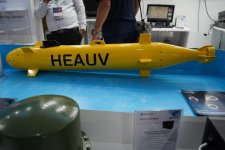
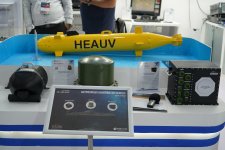
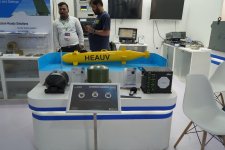
Indian Navy to Boost Underwater Capabilities with Indigenous AUVs by Sagar Defence Engineering
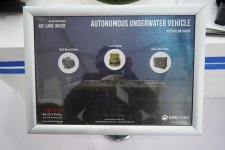
India's Indigenous Autonomous Underwater Vehicles (AUVs), developed by Sagar Defence Engineering, are revolutionizing naval operations. These AI-powered drones enhance mine clearance, surveillance, and reconnaissance, offering increased efficiency and safety while reducing human involvement.
Written by Huma Siddiqui
December 2, 2024, 11:06 IST
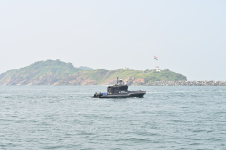
Here finally maritime drone playing its role.
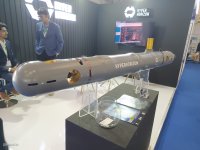
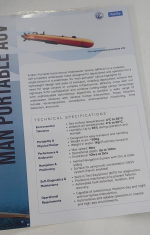
As the Indian Navy celebrates Navy Day later this week, the spotlight falls on a game-changing innovation developed by Sagar Defence Engineering — Indigenous Autonomous Underwater Vehicles (AUVs). These advanced underwater drones, created under the Innovations for Defence Excellence (iDEX) initiative, are set to revolutionize the way the Navy conducts critical missions such as mine clearance, surveillance, and reconnaissance.
In an exclusive conversation with FinancialExpress.com, Captain Nikunj Parashar, Managing Director and Founder of Sagar Defence Engineering, outlined how these AUVs are transforming the Navy’s operational capabilities. Designed to operate autonomously, these AUVs are equipped with cutting-edge sensors, AI, and advanced navigation systems, allowing them to perform complex tasks with minimal human intervention. From gathering real-time data to improving underwater situational awareness, the AUVs offer the Navy a strategic advantage in securing India’s maritime borders.
“The key benefit of these AUVs is their ability to carry out underwater missions without endangering human lives, while also lowering operational costs,” Captain Parashar said. “They can autonomously navigate pre-programmed routes, perform reconnaissance, and transmit essential data back to command centers in real-time, enabling faster and more accurate decision-making.”
These AUVs are designed to handle a wide range of missions, including mine countermeasures, environmental monitoring, and surveillance, making them invaluable for both military and commercial use. A standout feature is their ability to operate in swarms, where multiple AUVs collaborate and share information, improving the overall efficiency of large-scale tasks such as seafloor mapping and coastal surveillance.
With autonomous decision-making capabilities, the AUVs reduce the need for constant human oversight. Operators can focus on higher-priority tasks while the AUVs conduct missions with little to no manual intervention. This capability greatly enhances the Navy’s ability to monitor vast ocean areas, which is essential for national security.
These AUVs also have broad applications in the commercial sector, particularly in hydrographic surveys, underwater exploration, and environmental monitoring. They are ideal for inspecting undersea pipelines and conducting hull inspections, offering a cost-effective and safe alternative to manned operations.
“The versatility of these systems is a key factor in their adoption,” Captain Parashar explained. “Their lightweight design and advanced capabilities make them suitable for both military and commercial applications, ranging from asset inspection to complex research in deep-sea environments.”
The integration of AI-driven technology in these AUVs allows them to operate independently while still being able to adapt to changing environmental conditions. This autonomous behavior ensures that the AUVs are able to carry out detailed, long-duration missions, gathering crucial data without the constant need for human oversight. Furthermore, the system’s AI-powered sensors allow for better real-time data analysis, giving operators actionable insights and improving decision-making speed.
As part of their ongoing development, the AUVs are also being fine-tuned for swarm operations, where multiple units can operate together, coordinating their actions for more effective mission execution. This collective intelligence boosts the efficiency and coverage of reconnaissance missions, making the Navy’s underwater surveillance capabilities more robust than ever.
Looking ahead, the technology has the potential to expand into various industries beyond defense. Hydrographic companies, research institutions, and environmental agencies can leverage AUVs for tasks such as seabed mapping, monitoring marine life, and detecting pollution, making these systems highly adaptable.
Captain Parashar also noted that the development of these AUVs aligns with India’s vision of Atmanirbhar Bharat, underscoring the growing importance of indigenous technology in defense and national security. “This is not just about advancing naval capabilities; it’s about positioning India as a leader in autonomous defense technologies on the global stage,” he added. “By reducing dependence on foreign imports, these developments provide a clear path toward greater strategic autonomy.”
The creation of these AUVs highlights India’s growing technological expertise in the defense sector. By developing cutting-edge autonomous systems locally, India is not only meeting its defense needs but also fostering innovation, job creation, and high-tech manufacturing in the defense startup ecosystem. This will have lasting implications for national security and the global maritime landscape.
The integration of autonomous underwater technology into the Indian Navy’s arsenal is poised to enhance India’s maritime security significantly. With their ability to operate in diverse conditions, deliver real-time intelligence, and function with minimal human intervention, these AUVs will play a pivotal role in future naval operations. As the technology continues to evolve, the Navy’s reliance on these autonomous vehicles will only grow, providing new capabilities and opportunities for the nation’s defense.
https://www.financialexpress.com/bu...us-auvs-by-sagar-defence-engineering-3681765/


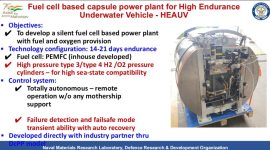
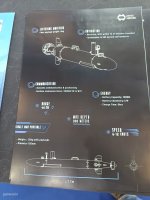
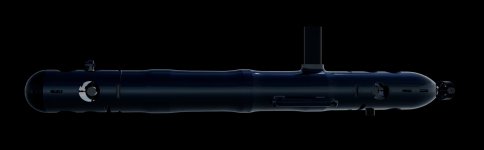

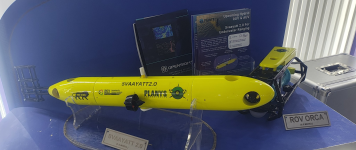
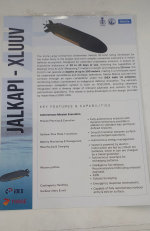
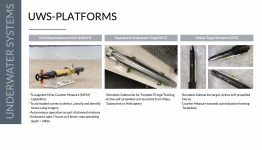
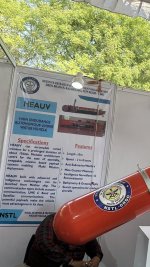
 you could easily guess what was it for