

Shipping Corp fires up India’s shipbuilding ambitions with tenders for 22 ships worth $3.2 billion
What makes the ship acquisition plan of the national carrier interesting is the conditions written into the tenders, which seek to induce global shipyards to set up facilities in India to secure the orders and/or share the know-how with local yards to help the industry move up the value chain.
By P Manoj
ET Infra
Published On Nov 14, 2026 at 07:49 AM IST
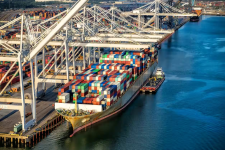
The eligibility of Indian shipyards will be assessed on a ‘Shipyard Qualification Template’ drawn up by SCI.
MUMBAI: State-run Shipping Corporation of India Ltd (SCI) has fired up the ambitions of the local shipbuilding industry by calling bids for constructing 22 ships of various types costing as much as $3.2 billion, all with the aim of helping domestic yards build bigger and complex vessels on the back of a government plan to make India one of the top five ship builders globally by 2047.
The national carrier has floated tenders for constructing eight very large gas carriers (VLGCs), each having a capacity to load 88,000 cubic metres of butane, propane, liquefied petroleum gas and ammonia, on behalf of a proposed joint venture with state-run oil firms; six cellular container vessels of 18,000 twenty-foot equivalent units (TEUs) capacity each (two for SCI and four for the planned Bharat Container Shipping Line); six cellular container ships of 8,000 TEUs capacity each for SCI and two Suezmax tankers of 155,000 deadweight tonnage (DWT) capacity each, also for SCI.
What makes the ship acquisition plan interesting is the conditions written into the tenders, which seeks to induce global shipyards to set up facilities in India to secure the orders and/or share the know-how with local yards to help the industry move up the value chain.
For instance, in the case of the tender for building eight VLGCs, SCI has stipulated that two of the carriers will be built in a reputed international shipyard while the remaining six will be constructed in India.
Local build push
International shipyards that have delivered at least three VLGCs, very large ethane carriers (VLECs) and/or LNG carriers (LNGCs) in the last 5 years and who are proposing to construct VLGCs from their own shipyard in India are eligible to submit bids. In such a case, two VLGCs will be built at their international shipyard and six VLGCs shall be built in the Indian facility majority owned by the international shipyard.
A copy of the relevant document showing the approvals/permission granted by the competent authority for setting up the shipyard in India like NOC, FDI approval, certificate of incorporation in India, etc., should be submitted by the foreign bidders.
The Indian shipyard bidders should have technical tie-up/collaboration with a reputed international shipyard who have delivered at least three VLGCs and/or VLECs and/or LNGCs in the last 5 years and who can support the construction of six VLGCs in the Indian shipyard.
The technical tie-up/collaboration must include basic and detailed design support by the international shipyard throughout the project, until delivery of the vessels. A technical tie-up/ collaboration agreement executed between the Indian shipyard and international shipyard for building two VLGCs in the international shipyard and six VLGCs in India should be submitted by the bidder.
The eligibility of Indian shipyards will be assessed on a ‘Shipyard Qualification Template’ drawn up by SCI.
The tender requires existing Indian shipyards to provide firm timelines for upgrading/ setting up relevant infrastructure, such as enhancing the length of the ship-lift facility, installation of cranes, etc., for building VLGCs.
The international shipyard proposing to build two VLGCs at their international shipyard and six VLGCs in their majority-owned Indian facility should provide firm timelines required for setting up the necessary infrastructure in their Indian facility that can meet the requirements of the ‘Shipyard Qualification Template’ stipulated in the tender.
The international shipyard can participate either through a technical tie-up with an Indian shipyard or by setting up their own shipyard in India. Participation through both routes simultaneously is not permitted.
The tender also incorporates conditions for bids submitted by an Indian shipyard and international shipyard through a technical tie-up/collaboration, as well as for bids submitted by international shipyards proposing to build ships from their owned Indian facility.
Similar terms have been included in the tender for building six cellular container vessels of 18,000 TEUs capacity each.
For example, the successful bidder has to ensure that two vessels are built in the international shipyard facility and four in the Indian shipyard.
For the four ships that have to be built in India, the international shipyard should enter into a technical tie-up/collaboration agreement with an existing Indian shipyard or should build the ships at their own facility in India.
The international shipyard can participate either through a technical tie-up with an existing Indian shipyard or by setting up their own shipyard in India. Participation through both routes simultaneously is not permitted.
Right of First Refusal to Indian shipyards
In the tender for constructing six (two firm and four optional) cellular container ships of 8,000 TEUs capacity each and the two Suezmax tankers, Indian shipyards will be given the Right of First Refusal.
Accordingly, the lowest evaluated bidder amongst the qualified Indian shipyards will be offered the Right of First Refusal to match the lowest evaluated bid submitted by a foreign shipyard.
The tender conditions for all the ship types reflect the Union government’s strategy to nudge global shipbuilding giants in South Korea to set up facilities in India by offering a steady flow of orders from state-run firms to support the local industry.
As part of a push to promote the shipbuilding industry, the Union Cabinet last year approved a ₹69,725 crore package that includes a Shipbuilding Financial Assistance Scheme, Shipbuilding Development Scheme and a Maritime Development Fund.
Since then, five mega greenfield shipbuilding clusters in Gujarat, Maharashtra, Tamil Nadu, Andhra Pradesh and Odisha have been granted in-principle approval.
Amongst the global shipbuilding giants that India is wooing, only South Korea’s HD Hyundai Heavy Industries Co Ltd has shown a serious intent to set up an anchor facility in the greenfield shipbuilding cluster at Thoothukudi in Tamil Nadu.
In October, Sarbananda Sonowal, Union Minister of Ports, Shipping and Waterways led a delegation to the Republic of Korea during which he invited top shipyards such as Hyundai Heavy Industries Co Ltd, Samsung Heavy Industries Co Ltd, Hanwha Ocean Co Ltd as well as other shipbuilding stakeholders to enter the Indian shipbuilding industry.
Shipping Corp fires up India’s shipbuilding ambitions with tenders for 22 ships worth $3.2 billion
What makes the ship acquisition plan of the national carrier interesting is the conditions written into the tenders, which seek to induce global shipyards to set up facilities in India to secure the orders and/or share the know-how with local yards to help the industry move up the value chain.
By P Manoj
ET Infra
Published On Nov 14, 2026 at 07:49 AM IST
The eligibility of Indian shipyards will be assessed on a ‘Shipyard Qualification Template’ drawn up by SCI.
MUMBAI: State-run Shipping Corporation of India Ltd (SCI) has fired up the ambitions of the local shipbuilding industry by calling bids for constructing 22 ships of various types costing as much as $3.2 billion, all with the aim of helping domestic yards build bigger and complex vessels on the back of a government plan to make India one of the top five ship builders globally by 2047.
The national carrier has floated tenders for constructing eight very large gas carriers (VLGCs), each having a capacity to load 88,000 cubic metres of butane, propane, liquefied petroleum gas and ammonia, on behalf of a proposed joint venture with state-run oil firms; six cellular container vessels of 18,000 twenty-foot equivalent units (TEUs) capacity each (two for SCI and four for the planned Bharat Container Shipping Line); six cellular container ships of 8,000 TEUs capacity each for SCI and two Suezmax tankers of 155,000 deadweight tonnage (DWT) capacity each, also for SCI.
What makes the ship acquisition plan interesting is the conditions written into the tenders, which seeks to induce global shipyards to set up facilities in India to secure the orders and/or share the know-how with local yards to help the industry move up the value chain.
For instance, in the case of the tender for building eight VLGCs, SCI has stipulated that two of the carriers will be built in a reputed international shipyard while the remaining six will be constructed in India.
Local build push
International shipyards that have delivered at least three VLGCs, very large ethane carriers (VLECs) and/or LNG carriers (LNGCs) in the last 5 years and who are proposing to construct VLGCs from their own shipyard in India are eligible to submit bids. In such a case, two VLGCs will be built at their international shipyard and six VLGCs shall be built in the Indian facility majority owned by the international shipyard.
A copy of the relevant document showing the approvals/permission granted by the competent authority for setting up the shipyard in India like NOC, FDI approval, certificate of incorporation in India, etc., should be submitted by the foreign bidders.
The Indian shipyard bidders should have technical tie-up/collaboration with a reputed international shipyard who have delivered at least three VLGCs and/or VLECs and/or LNGCs in the last 5 years and who can support the construction of six VLGCs in the Indian shipyard.
The technical tie-up/collaboration must include basic and detailed design support by the international shipyard throughout the project, until delivery of the vessels. A technical tie-up/ collaboration agreement executed between the Indian shipyard and international shipyard for building two VLGCs in the international shipyard and six VLGCs in India should be submitted by the bidder.
The eligibility of Indian shipyards will be assessed on a ‘Shipyard Qualification Template’ drawn up by SCI.
The tender requires existing Indian shipyards to provide firm timelines for upgrading/ setting up relevant infrastructure, such as enhancing the length of the ship-lift facility, installation of cranes, etc., for building VLGCs.
The international shipyard proposing to build two VLGCs at their international shipyard and six VLGCs in their majority-owned Indian facility should provide firm timelines required for setting up the necessary infrastructure in their Indian facility that can meet the requirements of the ‘Shipyard Qualification Template’ stipulated in the tender.
The international shipyard can participate either through a technical tie-up with an Indian shipyard or by setting up their own shipyard in India. Participation through both routes simultaneously is not permitted.
The tender also incorporates conditions for bids submitted by an Indian shipyard and international shipyard through a technical tie-up/collaboration, as well as for bids submitted by international shipyards proposing to build ships from their owned Indian facility.
Similar terms have been included in the tender for building six cellular container vessels of 18,000 TEUs capacity each.
For example, the successful bidder has to ensure that two vessels are built in the international shipyard facility and four in the Indian shipyard.
For the four ships that have to be built in India, the international shipyard should enter into a technical tie-up/collaboration agreement with an existing Indian shipyard or should build the ships at their own facility in India.
The international shipyard can participate either through a technical tie-up with an existing Indian shipyard or by setting up their own shipyard in India. Participation through both routes simultaneously is not permitted.
Right of First Refusal to Indian shipyards
In the tender for constructing six (two firm and four optional) cellular container ships of 8,000 TEUs capacity each and the two Suezmax tankers, Indian shipyards will be given the Right of First Refusal.
Accordingly, the lowest evaluated bidder amongst the qualified Indian shipyards will be offered the Right of First Refusal to match the lowest evaluated bid submitted by a foreign shipyard.
The tender conditions for all the ship types reflect the Union government’s strategy to nudge global shipbuilding giants in South Korea to set up facilities in India by offering a steady flow of orders from state-run firms to support the local industry.
As part of a push to promote the shipbuilding industry, the Union Cabinet last year approved a ₹69,725 crore package that includes a Shipbuilding Financial Assistance Scheme, Shipbuilding Development Scheme and a Maritime Development Fund.
Since then, five mega greenfield shipbuilding clusters in Gujarat, Maharashtra, Tamil Nadu, Andhra Pradesh and Odisha have been granted in-principle approval.
Amongst the global shipbuilding giants that India is wooing, only South Korea’s HD Hyundai Heavy Industries Co Ltd has shown a serious intent to set up an anchor facility in the greenfield shipbuilding cluster at Thoothukudi in Tamil Nadu.
In October, Sarbananda Sonowal, Union Minister of Ports, Shipping and Waterways led a delegation to the Republic of Korea during which he invited top shipyards such as Hyundai Heavy Industries Co Ltd, Samsung Heavy Industries Co Ltd, Hanwha Ocean Co Ltd as well as other shipbuilding stakeholders to enter the Indian shipbuilding industry.
Shipping Corp fires up India’s shipbuilding ambitions with tenders for 22 ships worth $3.2 billion


