

So, It will be still before Mk2 delivery!.
Point is what will they do with the engine, and if there is a clause that engine will only be delivered when Mk2 prototype is ready.
So, It will be still before Mk2 delivery!.
They already have engines for prototypes.Point is what will they do with the engine, and if there is a clause that engine will only be delivered when Mk2 prototype is ready.
They already have engines for prototypes.
We haven't ordered F 414 though?yes everything is fine. wake me up when GE414 are delivered.
We haven't ordered F 414 though?

Those will be delivered by US production line? The expected order for mk2 is 120, 8 will be used for prototypes so we will get 91 out of the 120 engines from the US. Why are we even getting the engine production line then? AMCA isn't coming anytime sooner than 2035.Only 8 are there which were delivered. 91 still to come.
Haven't got any past three years.

Error : 404.Only 8 are there which were delivered. 91 still to come.
Haven't got any past three years.
Error : 404.
Note to you : You're confusing the 414 with the 404.
Why don't you post at 3 am?! There's much more clarity in your even otherwise muddled thoughts at that hour .
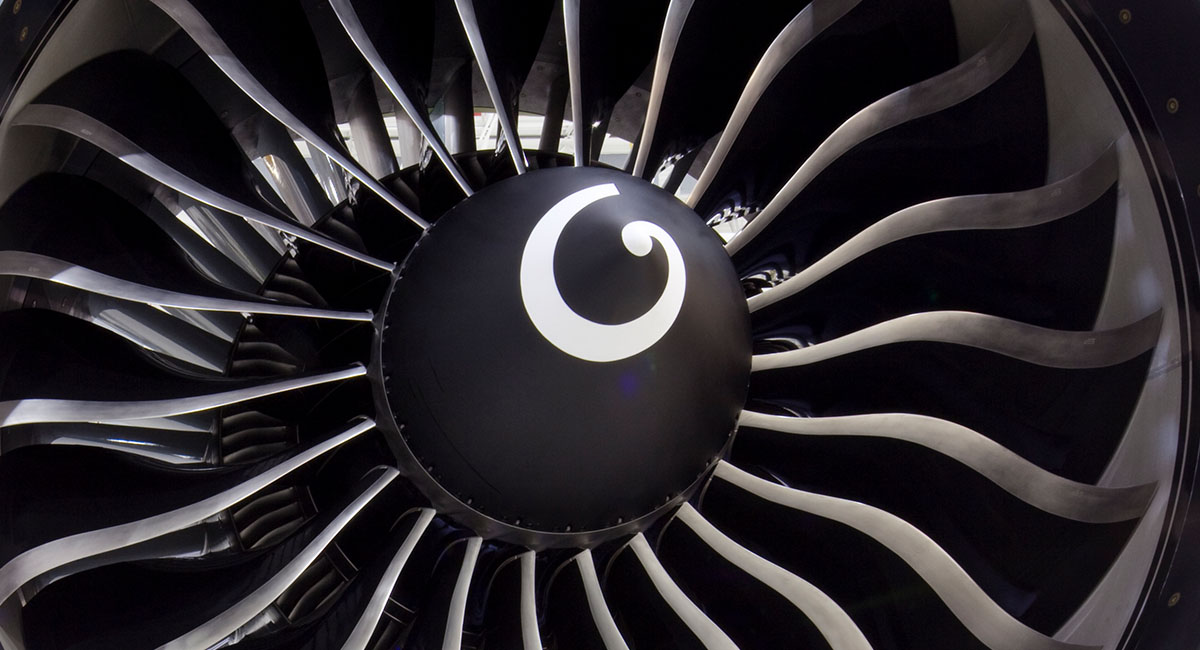
True, I think we'll be producing the remaining engines or atleast some share of it along with the AMCA F 414 orders. I expect some of the initial engines for tejas mk2 production to come from US production line if the mk2 production starts from 2029 that is.Eight F414 engines have been delivered as part of an ongoing development program for LCA Mk2.
GE Aerospace signs MOU with Hindustan Aeronautics Limited to produce fighter jet engines for Indian Air Force | GE Aerospace News
GE Aerospace’s F414 engines would be co-produced in India to power the Tejas Light Combat Aircraft Mk2WASHINGTON, D.C. – June 22, 2023 – GE (NYSE: GE) – GE Aerospace announcedwww.geaerospace.com
No deliveries past 3 years.
The prototype is not ready hence no deliveries may be.
I expect some of the initial engines for tejas mk2 production to come from US production line if the mk2 production starts from 2029 that is.
Yes. 8 would have been delivered for the prototypes . Did we sign an agreement for F-414? What do you think is being negotiated then between HAL & GE?Eight F414 engines have been delivered as part of an ongoing development program for LCA Mk2.
GE Aerospace signs MOU with Hindustan Aeronautics Limited to produce fighter jet engines for Indian Air Force | GE Aerospace News
GE Aerospace’s F414 engines would be co-produced in India to power the Tejas Light Combat Aircraft Mk2WASHINGTON, D.C. – June 22, 2023 – GE (NYSE: GE) – GE Aerospace announced
No deliveries past 3 years.
The prototype is not ready hence no deliveries may be.
Let's see I am still hopeful.8 have come. Rest won't. But the issue is Mk2 is delayed. Nothing is happening before 2035.
We ordered the engines but the plan seems to be that the rest of the engines will be from the Indian production line that is being negotiated. The ToT part is complete, commercial negotiation have started between GE and HAL, for now the timeline is March.Yes. 8 would have been delivered for the prototypes . Did we sign an agreement for F-414? What do you think is being negotiated then between HAL & GE?
Above tweet means deal is done or only small prerequisite before final signature?

A high-level delegation from GE Aerospace, led by Rita Flaherty, VP Sales & Business Development, visited Hindustan Aeronautics Limited in Bengaluru today. The team met Dr. D K Sunil, CMD, HAL, Shri Ravi K, Director (Operations) & senior leadership to discuss progress on the GE F404 engines & ongoing discussions on the GE F414 programme.
looks like the deal got a bit delayed by the iran war, they were supposed to be here in march but whatever.


