
OPINION: Africa set to burn as debt soars | IOL Business Report
PRETORIA – It is quite painful and disheartening to hear that China is set to take over the Zambia national power utility Zesco. This comes after Zambia joined a long list of countries who are placed under Chinese “curatorship” for failing to service its debt.
Unfortunately, this story does not end there as Africa Digest predicts that “more Zambian national companies will have to be handed over to China if they continue defaulting.” Indeed the situation is not good. Zambia is overall indebted and Bloomberg latest figures show that Zambia bonds are on a free fall.
Banks including Nomura International say the government may have greater external liabilities than the official figure of $8.7 billion (R132bn). Zambia has now reportedly turned to the International Monetary Fund (IMF) for a $1.3bn bailout. But it is unlikely that it will get this loan due to concerns about foreign borrowings. IMF chief Christine Lagarde has too much on her plate after Argentina also requested a bailout.
To put the Zambian economic dilemma into context. In 2012, China announced a grand economic and infrastructure project, now known as the Belt and Road Initiative (BRI), which it said will “benefit the world economically by connecting consumers to markets and helping improve the movement of goods and services.”
Asia Times estimates that about 70 countries across the world, especially in Africa and Asia, accepted massive cash injections in the form Chinese loans as well as investments under this scheme with a view of developing their domestic economies and capabilities. The total funding available is said to be anywhere between $1 trillion and $8trln.
However, the rising phenomenon is that there is a growing debt trap that comes with the Chinese loans under the BRI scheme.
More and more countries are unable to meet the conditions of the loans. The repayments are becoming a huge burden for small and midsized states, of which Zambia is one of them. There are concerns that China “will use the inability of the host countries to pay back the debt as an excuse to gain increased control of major strategic and economic posts.”
A new form of colonialism
Mahathir Mohamad, Malysia’s 93-year-old new prime minister, calls this “a new form of colonialism.”
Unfortunately, Zambia is not alone in this messy situation. China forgave Botswana a $60 million loan. It is reported that Gaborone has accepted yet another loan from the same Chinese. At end of the Forum on China-Africa Summit, Chinese President Xi Jinping’s declared that a further $60bn will be made available to Africa in the form of different categories such as grants, assistance programs and loans.
Africa is not the first region to feel the heat of the dragon’s breath. The African countries are quickly following Sri Lanka that also fell an “apparent victim of consistent Chinese investment in infrastructure projects”. In December 2017, Colombo leased out its Hambantota Port and land around the port to a Chinese shipping company for 99 years.
African countries should take a leaf from Malaysia’s Mahathir who last month travelled to Beijing to say thanks, no thanks to a $20bn loan for the projects. Mahathir’s showdown with Beijing rolled back the years to the time he introduced the ‘bumiputera‘ programme (affirmative action which favours indigenous Malays over the Chinese bamboo network dominating the Malaysian economy).
Mahathir’s response came as a surprise because “China is not used to recipients of its largesse challenging the terms on which it is offered.” With so many countries almost sinking in Chinese gratuitous lending all over the world, perhaps it is time for a re-think. Even neighbours Laos, Mongolia and Pakistan are in huge distress, as per information from the Centre for Global Development in Washington.
Malaysia’s eagerness to disentangle itself from Chinese-funded ventures serves as a good measure of what Beijing’s likely response is going to be. Mahatir cancelled the loans earmarked for East Coast Rail Link plus two oil pipelines in Sabah province. His reasons for reversing the loans is simple, his country cannot afford them as lovely the projects may be.
Turning up the heat
Mahatir is also reported to be turning the heat on the ever pompous Chinese investors already in Malaysia, and did not have to wait to be called a monkey before asking them to go back home. A Chinese national, identified as Liu Jiaqi, recently President Uhuru Kenyatta a monkey and is now due for deportation. This emphasises the need to compel China and its nationals to tow the line before they insult people where their country is invested.
Mahathir declared that the foreigners would not be given visas to live in a housing scheme in Johor state, which is too expensive for locals to afford. In essence, Malaysia appears to have learnt from Angola’s infamously unaffordable Nova Cidade de Kilamba.
Imran Khan, the new Pakistani prime minister, will have to use his batting skills to deal with the impacts of a huge Chinese largesse of about $60bn for energy and infrastructure projects. Beijing has skilful bowlers and fielders – it unlikely that Khan will stay in the crease for too long before massive protests engulf Karachi and Islamabad.
With foreign currency reserves standing at a little as $10bn, Pakistan is soon going to economically implode. The country can only pay for “about seven to eight weeks of imports.” Debt repayments are rising fast, Khan faces a challenge of deciding where the money will come from to avoid a potential default.
But Pakistan has always been an important centre-piece in the geopolitics of the subcontinent, especially as China’s counterweight to India. India is one of the few countries who resisted the temptation of China’s cheap money. So Khan is better positioned to tell Chinese officials that his country cannot afford to pay or ask for the suspension of some projects planned under the present arrangement.
Or, Khan can put an offer that China cannot refuse in order to reduce the burden such as increasing political stakes. Pakistan can help in containing extremists and cushion western China. Failing which, his government will have to deal with public protests against Chinese investments like in Vietnam three months ago. The problem is Pakistan’s ailing economy and appetite for debt – it is in line to get another $2bn from China and about a three-year $4.5bn oil-financing facility from the Islamic Development Bank.
Africa’s situation is even much trickier, and China may not be as tolerant though. Besides the raw materials and market for Chinese products, Africa does not offer much in political terrain as its neighbours. The relationship is not as “brotherly” as we are told but it is strictly transactional. Zambia will soon learn that Beijing is not in a game of smooches and hugs.
Djibouti in line for a Chinese takeover
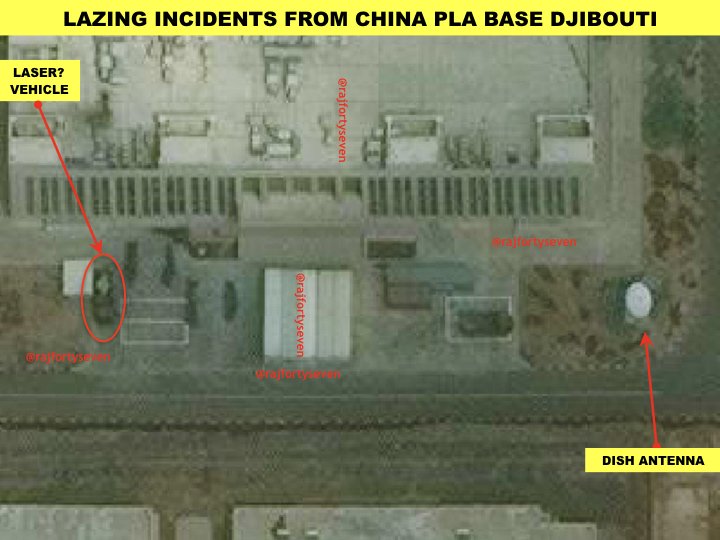
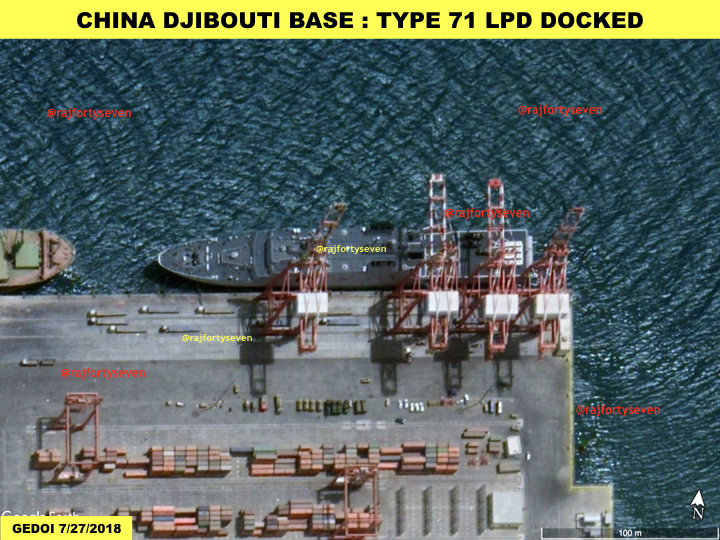
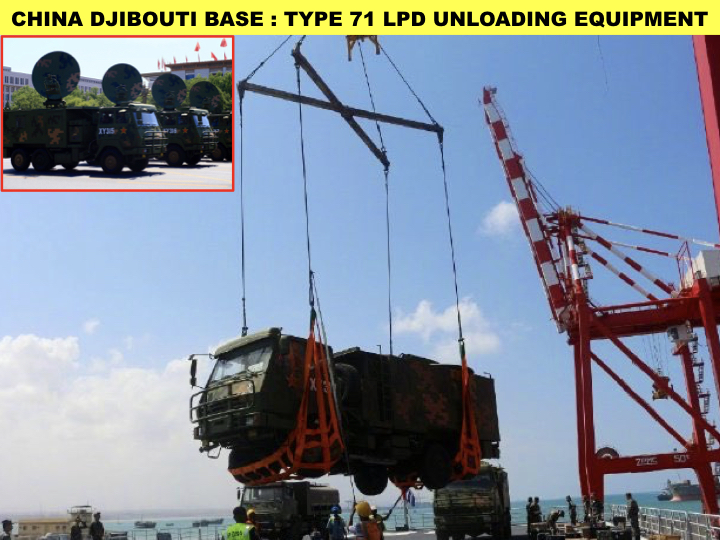
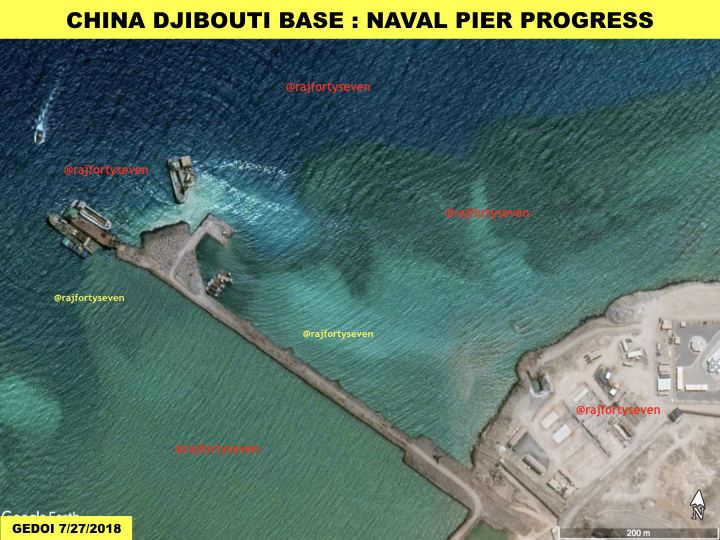
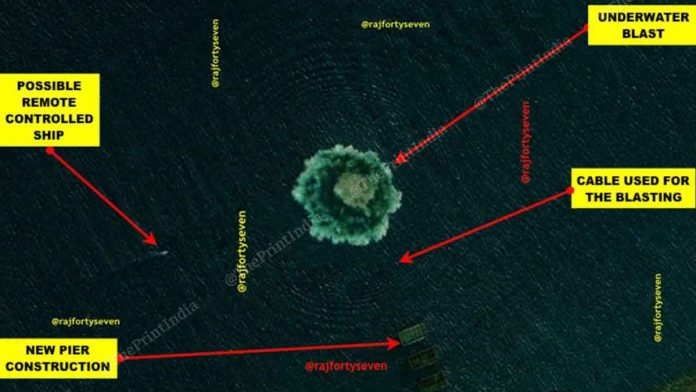
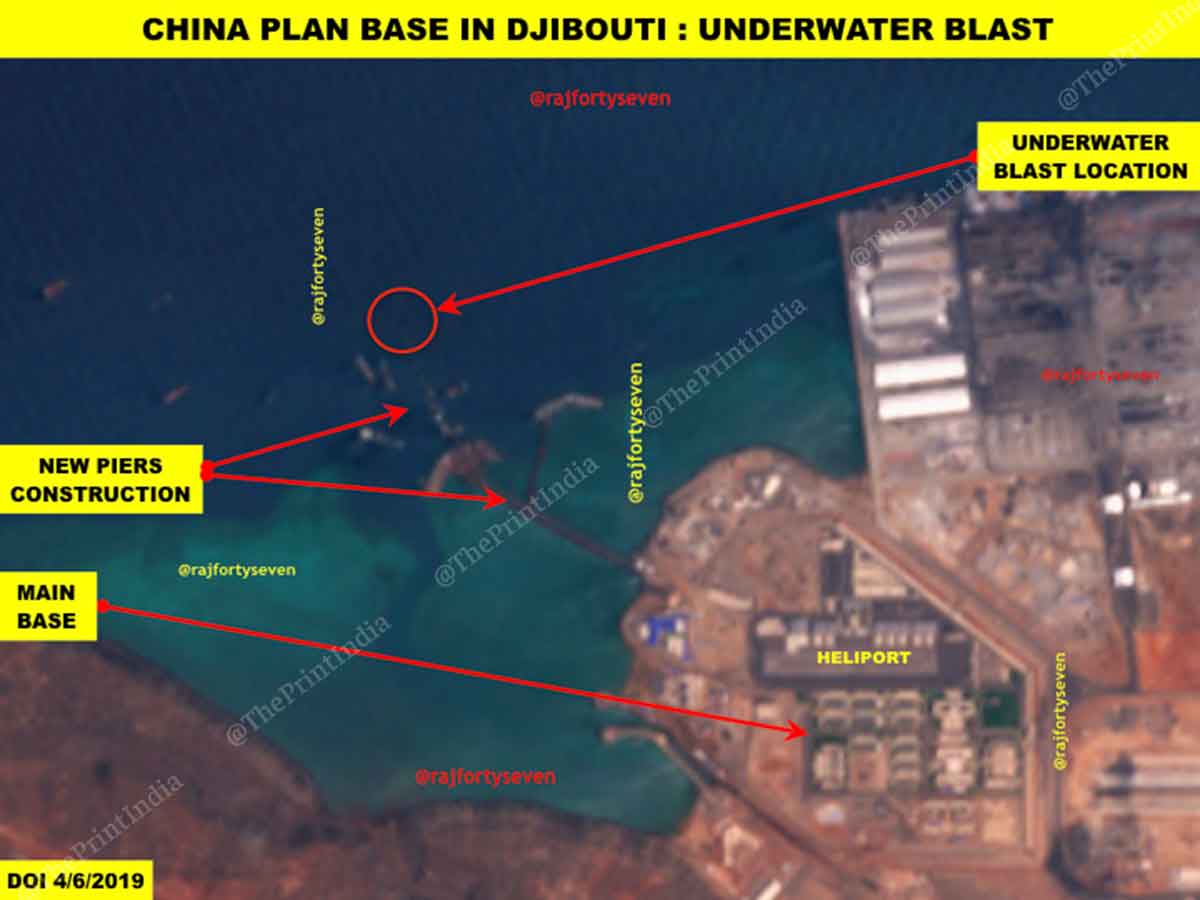
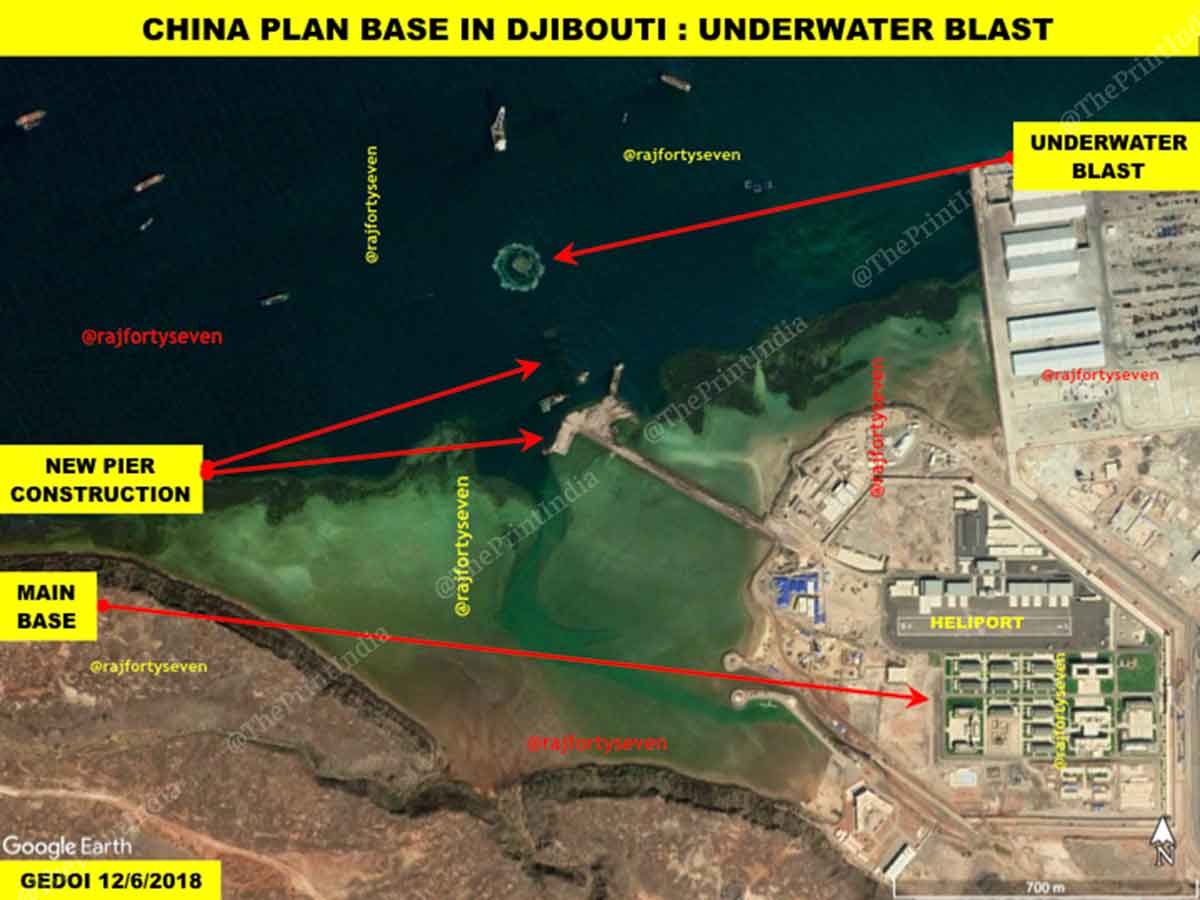
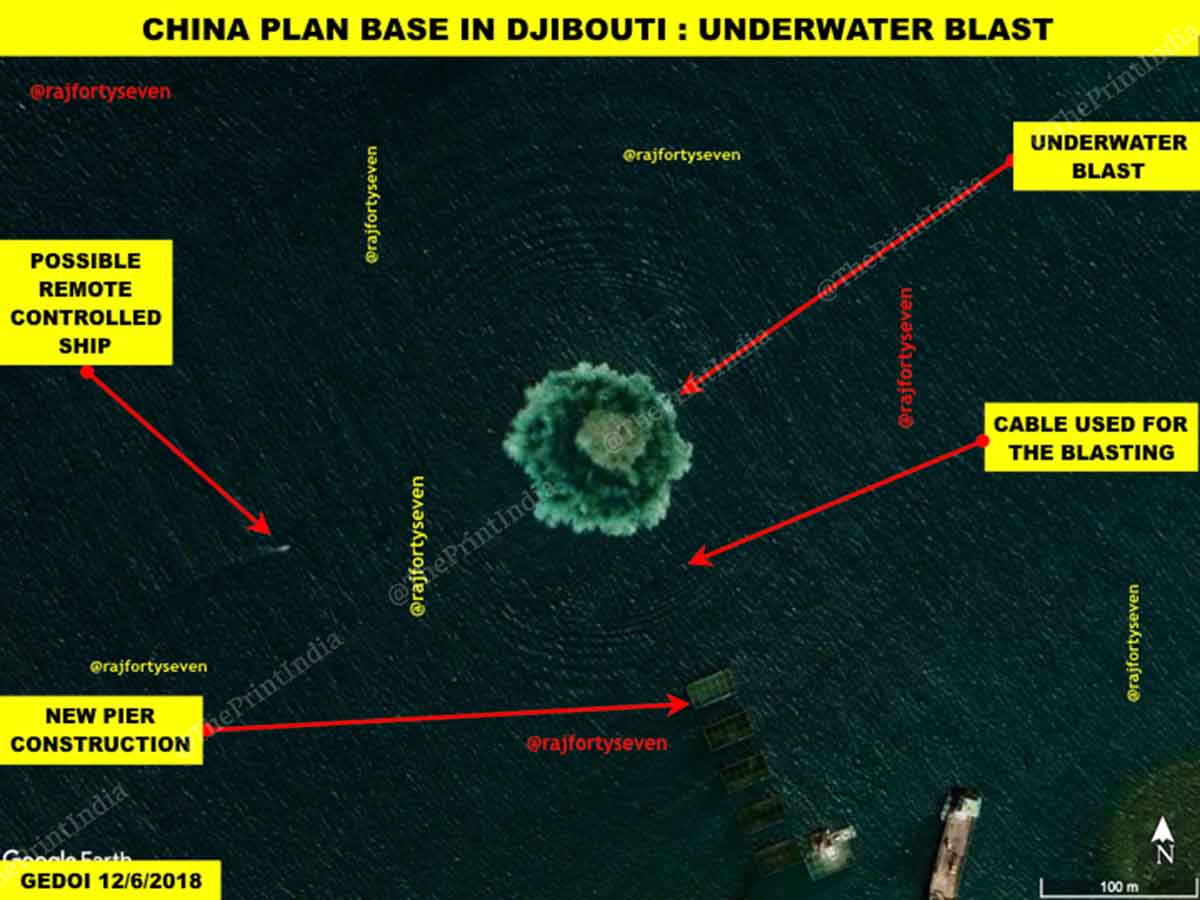
Even tiny Djibouti is in line for a Chinese takeover. The economic burden comes with the added presence of the Chinese military to safeguard investments. China now has a military base in the small country in the Horn of Africa, as well as in Pakistan, Maldives, Sri Lanka and others are in the pipeline in El Salvador as well as in Afghanistan amid increasing attacks on Chinese engineers and workers in Pakistan for projects under the China-Pakistan Economic Corridor.
With the BRI, China was positioned as an alternative to the traditional global lenders, hence the “Look East” policy which draws African countries closer to China as seen last week with the FOCAC meeting. The more African states believe in FDI-led economic growth it is unlikely that we will their appetite for yuans decreasing. And China cannot wait to pull a Sri Lanka on them. They, in turn, will voluntarily hand over their prized national assets to Beijing.
Judging by what happened to Hambantota and also other places, it is high time for African states to involve their populations before committing to accepting foreign loans and or investments. Also, budgetary processes in most African states are generally considered to notoriously opaque, so an extra measure is required to force the countries to learn to live within its means.
Economist Thandika Mkandawire is correct to point out that Africans aren’t clear on what exactly they want from the Chinese. So, Beijing appears to have a free reign of deciding the nature of relationship it wants to have with forever begging African counterparts. These relations have potential to define already strained political climate within countries.
The reason for frosty relations is that the price to be paid is certainly very high for all countries. Political independence and sovereignty are at stake as they are possibly getting mortgaged for loans which in any event have been said not to be benefitting the entire population. Economic crises will flare up across the continent in no time, and China will become an obvious target.
There is no proof that China demands any form of accountability from states for the loans. It understands that these countries will in any way default their repayments – the intention is to overburden them with debt so as to make them little colonies where it is going to have unhindered access to natural resources. With over 1.4 billion people to feed, Beijing has pressure to push its national interests at all cost.
Chinese capital appears to be no different to the European missionaries in the 1800s who came with a bible in hand and a promise for eternal life and civilization. Africa again opens its hands to receive the guests who have imperial motives and in less than 20 years we will look back and say, “how could we be so stupid to trust them?” Unfortunately, it will be too late, Lusaka will be called Little Guangzhou and Djibouti will be Sichuan.
There are fears that China stands to colonise the continent without firing a single bullet. But my view is that China will collapse the world with its toxic capital. What will happen when everyone owes Beijing and unable to pay? That will be game over for capitalism, I am convinced we are very close to see that happening.
Or, the story of Chinese debt merely captures the zeitgeist of the rise of a forceful dragon?
China places strategic ground to air missiles in Zimbabwe
COLOGNE - In what all but amounts to turning Harare into a satellite outpost of Beijing, China has reportedly deployed and installed a dreaded new generation of surface-to- air missiles (SAM) in Zimbabwe, in what is seen as direct preparation for defending her vast economic interests in the country, with a possible signal of ratcheting up future gunboat diplomacy against the competing West, as foreign powers scramble to move into Zimbabwe for business, under the newly elected President Emmerson Mnangagwa administration, Spotlight Zimbabwe reported.
Diplomatic and military sources in the capital yesterday said the SAM technology is similar to the one, which the Asian powerhouse has deployed to the South China Sea on Woody Island, comprising of her latest HQ-9 missiles.
Woody Island, also called Yongxing Island in China and Phu Lam Island in Vietnam, is the largest of the Paracel Islands in the South China Sea, with an area of 2.1 square kilometres. Controlled by Beijing, it is also claimed by Taiwan and Vietnam, and has since been turned into nearly a no-fly Zone due to the missiles.
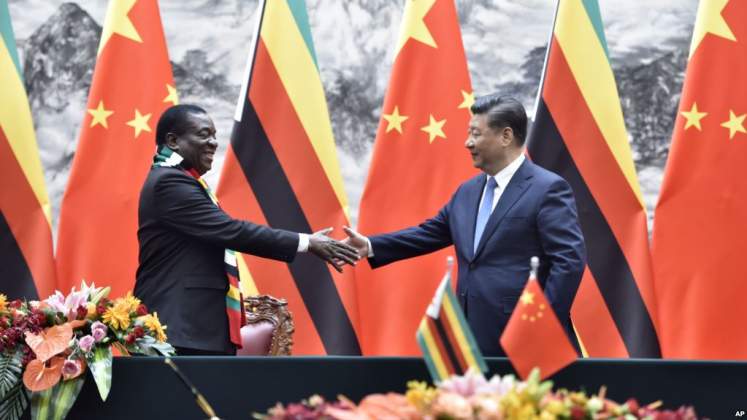
The revelations, certain to raise a red flag with many Western capitals, come on the backdrop of President Xi Jingping sending his special envoy, Su Hui, to attend Mnangagwa's inauguration held on Sunday, with Mnangagwa himself set to visit China next month to attend the Beijing Summit of the Forum on China-Africa Cooperation (FOCAC).
In June China hosted military chiefs from 50 African nations for a three- week security forum, as part of preparations for the launch of a strategic and military cooperation between Beijing and Africa. It was not clear if Zimbabwe was represented at the forum by the time of sending the paper to bed last night.
"This is a very serious and sensitive issue," said one Asian diplomat who requested not to be named. "They (China) are deploying HQ-9 missiles in your country at strategic locations nationwide, and the Zimbabwe military seems to have signed up to the agreement, which will strengthen it's ability to defend this country by default with China's help."
"The missile system is very advanced and similar to what they are using to protect the South China Sea Islands. This country has become very important to Beijing otherwise, they would not be moving heavy military equipment here. The former leader (Mugabe) was holding back against the idea of strong Chinese military presence in Zimbabwe, but a few months before he was removed from office last year, new and revised military cooperation agreements had been signed, therefore explaining the greenlight given to the deployment of the HQ-9."
A senior military officer with the defence ministry said it was not possible to disclose the location of the Chinese missile system, but confirmed it existed and was a top secret national security matter.
"I can confirm about the SAM technology from China. It is there but I'm not authorised to disclose the location of such weapons, it is a state secret and national security matter. The army press department is also unlikely to help your publication further. They will not comment on matters requiring the highest security clearance."
According to Army Recognition, a military magazine that covers technology and news from around the world, the HQ-9 is a medium-to-long range air defense missile system designed and manufactured in China by the Defense Company CPMIEC (China Precision Machinery Import & Export Corporation).
"The HQ-9 system is designed to track and destroy aircraft, cruise missiles, air-to-surface missiles, and tactical ballistic missiles," reads an article in the magazine on China. "The system was unveiled for the first time to the public during the military parade for the 60th anniversary of the founding of the People's Republic of China. The HongQi 9 development began in the early 1980s, initially based on the U.S. Patriot air defence missile system that China obtained via an unknown third-party country. Like the Patriot, the HongQi 9 uses a ‘Track-Via-Missile' (TVM) terminal guidance system and was originally designed to be launched from a Patriot-style slant-positioned box-shape container launcher."
The missile is a two-stage missile. The first stage has a diameter of 700 mm and the 2nd stage 560 mm, with a total mass of almost 2 tons and a length of 6.8m, the magazine further states.
"The missile is armed with a 180 kg warhead, has a maximum speed of Mach 4.2. and has a maximum range of 200 km up to an altitude of 30 km. The missile has a proximity fuse with an effective range of 35m, which goes active when the missile is 5km away from its target. The HQ-9's guidance system is composed of inertial guidance plus mid-course uplink and active radar terminal guidance systems."
A popular Kenyan broadcaster, Dr Mumbi Seraki, has also spoken and confirmed that China has indeed deployed ground to air missile systems in Zimbabwe, during one of her latest shows published on her YouTube channel yesterday. Readers can skip to 10:55mins of the 13min video clip to hear her take below:
In 2014, this reporter for the first time revealed China's plans to set up an underground military base in the Marange diamond fields area in Manicaland, with our then sister publication, The Telescope News.
The disclosures sent shivers running down the spine of many officials in the country who were in the dark on the matter, forcing then minister of defence, Sydney Sekeramayi, to deny the existence of the military station. China herself has neither confirmed nor denied the alleged plans to construct the base near Mutare.
China's influence in Zimbabwe, is set to grow stronger under Mnangagwa's term and his deputy, Rtd General Constantino Chiwenga, is also moving to crystallise military partnership with Beijing, our sources said.
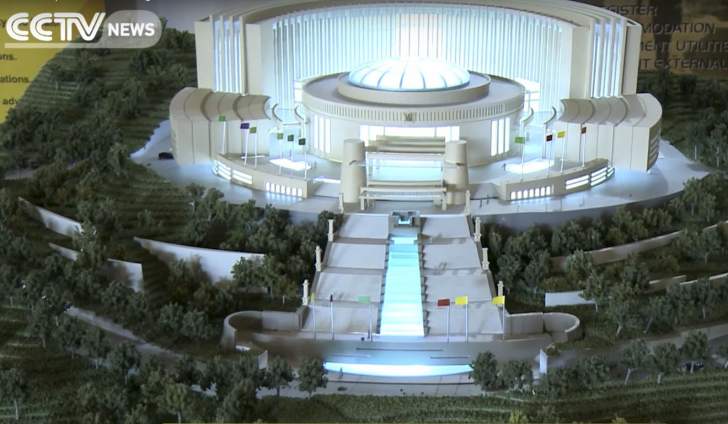
[A CCTV screen capture shows the model for a new parliament building in Zimbabwe. Photo: Handout] Proposed new parliament building, to be built in Mt Hampden, Zimbabwe's soon to be new capital city.
"Your VP (Chiwenga) is the main actor moving things militarily with China, with the blessing of Mnangagwa," said a former envoy from Scandinavia who was based in Harare a few years ago.
"Beijing is continuing to build her influence and power in Zimbabwe through five ways, which are: military facilities, power plants, new parliament building, a supercomputer centre and medical help."
PRETORIA – It is quite painful and disheartening to hear that China is set to take over the Zambia national power utility Zesco. This comes after Zambia joined a long list of countries who are placed under Chinese “curatorship” for failing to service its debt.
Unfortunately, this story does not end there as Africa Digest predicts that “more Zambian national companies will have to be handed over to China if they continue defaulting.” Indeed the situation is not good. Zambia is overall indebted and Bloomberg latest figures show that Zambia bonds are on a free fall.
Banks including Nomura International say the government may have greater external liabilities than the official figure of $8.7 billion (R132bn). Zambia has now reportedly turned to the International Monetary Fund (IMF) for a $1.3bn bailout. But it is unlikely that it will get this loan due to concerns about foreign borrowings. IMF chief Christine Lagarde has too much on her plate after Argentina also requested a bailout.
To put the Zambian economic dilemma into context. In 2012, China announced a grand economic and infrastructure project, now known as the Belt and Road Initiative (BRI), which it said will “benefit the world economically by connecting consumers to markets and helping improve the movement of goods and services.”
Asia Times estimates that about 70 countries across the world, especially in Africa and Asia, accepted massive cash injections in the form Chinese loans as well as investments under this scheme with a view of developing their domestic economies and capabilities. The total funding available is said to be anywhere between $1 trillion and $8trln.
However, the rising phenomenon is that there is a growing debt trap that comes with the Chinese loans under the BRI scheme.
More and more countries are unable to meet the conditions of the loans. The repayments are becoming a huge burden for small and midsized states, of which Zambia is one of them. There are concerns that China “will use the inability of the host countries to pay back the debt as an excuse to gain increased control of major strategic and economic posts.”
A new form of colonialism
Mahathir Mohamad, Malysia’s 93-year-old new prime minister, calls this “a new form of colonialism.”
Unfortunately, Zambia is not alone in this messy situation. China forgave Botswana a $60 million loan. It is reported that Gaborone has accepted yet another loan from the same Chinese. At end of the Forum on China-Africa Summit, Chinese President Xi Jinping’s declared that a further $60bn will be made available to Africa in the form of different categories such as grants, assistance programs and loans.
Africa is not the first region to feel the heat of the dragon’s breath. The African countries are quickly following Sri Lanka that also fell an “apparent victim of consistent Chinese investment in infrastructure projects”. In December 2017, Colombo leased out its Hambantota Port and land around the port to a Chinese shipping company for 99 years.
African countries should take a leaf from Malaysia’s Mahathir who last month travelled to Beijing to say thanks, no thanks to a $20bn loan for the projects. Mahathir’s showdown with Beijing rolled back the years to the time he introduced the ‘bumiputera‘ programme (affirmative action which favours indigenous Malays over the Chinese bamboo network dominating the Malaysian economy).
Mahathir’s response came as a surprise because “China is not used to recipients of its largesse challenging the terms on which it is offered.” With so many countries almost sinking in Chinese gratuitous lending all over the world, perhaps it is time for a re-think. Even neighbours Laos, Mongolia and Pakistan are in huge distress, as per information from the Centre for Global Development in Washington.
Malaysia’s eagerness to disentangle itself from Chinese-funded ventures serves as a good measure of what Beijing’s likely response is going to be. Mahatir cancelled the loans earmarked for East Coast Rail Link plus two oil pipelines in Sabah province. His reasons for reversing the loans is simple, his country cannot afford them as lovely the projects may be.
Turning up the heat
Mahatir is also reported to be turning the heat on the ever pompous Chinese investors already in Malaysia, and did not have to wait to be called a monkey before asking them to go back home. A Chinese national, identified as Liu Jiaqi, recently President Uhuru Kenyatta a monkey and is now due for deportation. This emphasises the need to compel China and its nationals to tow the line before they insult people where their country is invested.
Mahathir declared that the foreigners would not be given visas to live in a housing scheme in Johor state, which is too expensive for locals to afford. In essence, Malaysia appears to have learnt from Angola’s infamously unaffordable Nova Cidade de Kilamba.
Imran Khan, the new Pakistani prime minister, will have to use his batting skills to deal with the impacts of a huge Chinese largesse of about $60bn for energy and infrastructure projects. Beijing has skilful bowlers and fielders – it unlikely that Khan will stay in the crease for too long before massive protests engulf Karachi and Islamabad.
With foreign currency reserves standing at a little as $10bn, Pakistan is soon going to economically implode. The country can only pay for “about seven to eight weeks of imports.” Debt repayments are rising fast, Khan faces a challenge of deciding where the money will come from to avoid a potential default.
But Pakistan has always been an important centre-piece in the geopolitics of the subcontinent, especially as China’s counterweight to India. India is one of the few countries who resisted the temptation of China’s cheap money. So Khan is better positioned to tell Chinese officials that his country cannot afford to pay or ask for the suspension of some projects planned under the present arrangement.
Or, Khan can put an offer that China cannot refuse in order to reduce the burden such as increasing political stakes. Pakistan can help in containing extremists and cushion western China. Failing which, his government will have to deal with public protests against Chinese investments like in Vietnam three months ago. The problem is Pakistan’s ailing economy and appetite for debt – it is in line to get another $2bn from China and about a three-year $4.5bn oil-financing facility from the Islamic Development Bank.
Africa’s situation is even much trickier, and China may not be as tolerant though. Besides the raw materials and market for Chinese products, Africa does not offer much in political terrain as its neighbours. The relationship is not as “brotherly” as we are told but it is strictly transactional. Zambia will soon learn that Beijing is not in a game of smooches and hugs.
Djibouti in line for a Chinese takeover
Even tiny Djibouti is in line for a Chinese takeover. The economic burden comes with the added presence of the Chinese military to safeguard investments. China now has a military base in the small country in the Horn of Africa, as well as in Pakistan, Maldives, Sri Lanka and others are in the pipeline in El Salvador as well as in Afghanistan amid increasing attacks on Chinese engineers and workers in Pakistan for projects under the China-Pakistan Economic Corridor.
With the BRI, China was positioned as an alternative to the traditional global lenders, hence the “Look East” policy which draws African countries closer to China as seen last week with the FOCAC meeting. The more African states believe in FDI-led economic growth it is unlikely that we will their appetite for yuans decreasing. And China cannot wait to pull a Sri Lanka on them. They, in turn, will voluntarily hand over their prized national assets to Beijing.
Judging by what happened to Hambantota and also other places, it is high time for African states to involve their populations before committing to accepting foreign loans and or investments. Also, budgetary processes in most African states are generally considered to notoriously opaque, so an extra measure is required to force the countries to learn to live within its means.
Economist Thandika Mkandawire is correct to point out that Africans aren’t clear on what exactly they want from the Chinese. So, Beijing appears to have a free reign of deciding the nature of relationship it wants to have with forever begging African counterparts. These relations have potential to define already strained political climate within countries.
The reason for frosty relations is that the price to be paid is certainly very high for all countries. Political independence and sovereignty are at stake as they are possibly getting mortgaged for loans which in any event have been said not to be benefitting the entire population. Economic crises will flare up across the continent in no time, and China will become an obvious target.
There is no proof that China demands any form of accountability from states for the loans. It understands that these countries will in any way default their repayments – the intention is to overburden them with debt so as to make them little colonies where it is going to have unhindered access to natural resources. With over 1.4 billion people to feed, Beijing has pressure to push its national interests at all cost.
Chinese capital appears to be no different to the European missionaries in the 1800s who came with a bible in hand and a promise for eternal life and civilization. Africa again opens its hands to receive the guests who have imperial motives and in less than 20 years we will look back and say, “how could we be so stupid to trust them?” Unfortunately, it will be too late, Lusaka will be called Little Guangzhou and Djibouti will be Sichuan.
There are fears that China stands to colonise the continent without firing a single bullet. But my view is that China will collapse the world with its toxic capital. What will happen when everyone owes Beijing and unable to pay? That will be game over for capitalism, I am convinced we are very close to see that happening.
Or, the story of Chinese debt merely captures the zeitgeist of the rise of a forceful dragon?
China places strategic ground to air missiles in Zimbabwe
COLOGNE - In what all but amounts to turning Harare into a satellite outpost of Beijing, China has reportedly deployed and installed a dreaded new generation of surface-to- air missiles (SAM) in Zimbabwe, in what is seen as direct preparation for defending her vast economic interests in the country, with a possible signal of ratcheting up future gunboat diplomacy against the competing West, as foreign powers scramble to move into Zimbabwe for business, under the newly elected President Emmerson Mnangagwa administration, Spotlight Zimbabwe reported.
Diplomatic and military sources in the capital yesterday said the SAM technology is similar to the one, which the Asian powerhouse has deployed to the South China Sea on Woody Island, comprising of her latest HQ-9 missiles.
Woody Island, also called Yongxing Island in China and Phu Lam Island in Vietnam, is the largest of the Paracel Islands in the South China Sea, with an area of 2.1 square kilometres. Controlled by Beijing, it is also claimed by Taiwan and Vietnam, and has since been turned into nearly a no-fly Zone due to the missiles.
The revelations, certain to raise a red flag with many Western capitals, come on the backdrop of President Xi Jingping sending his special envoy, Su Hui, to attend Mnangagwa's inauguration held on Sunday, with Mnangagwa himself set to visit China next month to attend the Beijing Summit of the Forum on China-Africa Cooperation (FOCAC).
In June China hosted military chiefs from 50 African nations for a three- week security forum, as part of preparations for the launch of a strategic and military cooperation between Beijing and Africa. It was not clear if Zimbabwe was represented at the forum by the time of sending the paper to bed last night.
"This is a very serious and sensitive issue," said one Asian diplomat who requested not to be named. "They (China) are deploying HQ-9 missiles in your country at strategic locations nationwide, and the Zimbabwe military seems to have signed up to the agreement, which will strengthen it's ability to defend this country by default with China's help."
"The missile system is very advanced and similar to what they are using to protect the South China Sea Islands. This country has become very important to Beijing otherwise, they would not be moving heavy military equipment here. The former leader (Mugabe) was holding back against the idea of strong Chinese military presence in Zimbabwe, but a few months before he was removed from office last year, new and revised military cooperation agreements had been signed, therefore explaining the greenlight given to the deployment of the HQ-9."
A senior military officer with the defence ministry said it was not possible to disclose the location of the Chinese missile system, but confirmed it existed and was a top secret national security matter.
"I can confirm about the SAM technology from China. It is there but I'm not authorised to disclose the location of such weapons, it is a state secret and national security matter. The army press department is also unlikely to help your publication further. They will not comment on matters requiring the highest security clearance."
According to Army Recognition, a military magazine that covers technology and news from around the world, the HQ-9 is a medium-to-long range air defense missile system designed and manufactured in China by the Defense Company CPMIEC (China Precision Machinery Import & Export Corporation).
"The HQ-9 system is designed to track and destroy aircraft, cruise missiles, air-to-surface missiles, and tactical ballistic missiles," reads an article in the magazine on China. "The system was unveiled for the first time to the public during the military parade for the 60th anniversary of the founding of the People's Republic of China. The HongQi 9 development began in the early 1980s, initially based on the U.S. Patriot air defence missile system that China obtained via an unknown third-party country. Like the Patriot, the HongQi 9 uses a ‘Track-Via-Missile' (TVM) terminal guidance system and was originally designed to be launched from a Patriot-style slant-positioned box-shape container launcher."
The missile is a two-stage missile. The first stage has a diameter of 700 mm and the 2nd stage 560 mm, with a total mass of almost 2 tons and a length of 6.8m, the magazine further states.
"The missile is armed with a 180 kg warhead, has a maximum speed of Mach 4.2. and has a maximum range of 200 km up to an altitude of 30 km. The missile has a proximity fuse with an effective range of 35m, which goes active when the missile is 5km away from its target. The HQ-9's guidance system is composed of inertial guidance plus mid-course uplink and active radar terminal guidance systems."
A popular Kenyan broadcaster, Dr Mumbi Seraki, has also spoken and confirmed that China has indeed deployed ground to air missile systems in Zimbabwe, during one of her latest shows published on her YouTube channel yesterday. Readers can skip to 10:55mins of the 13min video clip to hear her take below:
In 2014, this reporter for the first time revealed China's plans to set up an underground military base in the Marange diamond fields area in Manicaland, with our then sister publication, The Telescope News.
The disclosures sent shivers running down the spine of many officials in the country who were in the dark on the matter, forcing then minister of defence, Sydney Sekeramayi, to deny the existence of the military station. China herself has neither confirmed nor denied the alleged plans to construct the base near Mutare.
China's influence in Zimbabwe, is set to grow stronger under Mnangagwa's term and his deputy, Rtd General Constantino Chiwenga, is also moving to crystallise military partnership with Beijing, our sources said.
[A CCTV screen capture shows the model for a new parliament building in Zimbabwe. Photo: Handout] Proposed new parliament building, to be built in Mt Hampden, Zimbabwe's soon to be new capital city.
"Your VP (Chiwenga) is the main actor moving things militarily with China, with the blessing of Mnangagwa," said a former envoy from Scandinavia who was based in Harare a few years ago.
"Beijing is continuing to build her influence and power in Zimbabwe through five ways, which are: military facilities, power plants, new parliament building, a supercomputer centre and medical help."