Missiles overtake ships to become India's largest major arms export category in 2025: SIPRI data
Missiles accounted for nearly 41% of India's major arms transfers in 2025, up from just 1.2% during 2014–19. A proposed $800-million BrahMos deal with the Philippines could provide a further boost
ISHAAN GERA NOVEMBER 06, 2026 / 16:24 IST
Brahmos leads India's exports
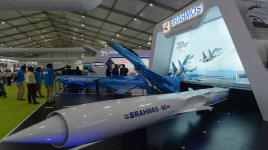
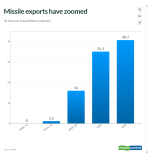
Missiles have overtaken ships as India’s largest major arms export category, accounting for nearly 41 percent of the country's total major arms transfers in 2025, compared with just 1.2 percent during 2014–19, a Moneycontrol analysis of data from the Stockholm International Peace Research Institute (SIPRI) shows.
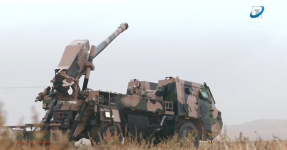
The shift marks a major transformation in India's defence export basket, previously dominated by aircraft and ships. Missiles accounted for the largest share of major arms exports in 2025, followed by artillery at 37 percent and air-defence systems at nearly 20 percent.
The growing importance of missile exports comes as India is reportedly in the final stages of negotiations with the Philippines for another BrahMos supersonic cruise missile deal, estimated to be worth $700-800 million.
Manila is looking to acquire around five additional BrahMos systems comprising nearly 60 missiles. The proposed agreement would be substantially larger than the $375 million BrahMos deal signed between the two countries in 2022.
From aircraft to ships and missiles
The composition of India's major arms exports has undergone a substantial change over the past two decades.
During 2008–13, aircraft and aircraft parts accounted for nearly 71 percent of the volume of India's major arms exports, followed by ships at 16 percent. Missiles and air-defence systems had no recorded share during the period.
The balance shifted decisively towards ships in the subsequent six years.
Missiles made their first appearance in the export data in 2019, accounting for just 1.2 percent of the total volume of major arms transfers during 2014-19.
Their importance has increased considerably since then.
Between 2020 and 2025, missiles accounted for 16 percent of India’s major arms exports, becoming the third-largest category after ships, which contributed 45 percent, and artillery, which accounted for nearly 18 percent.
In 2025 alone, however, missiles emerged as the largest category, overtaking both ships and artillery.
The data also shows the emergence of artillery and air-defence systems as important components of India's defence exports. Together with missiles, these categories accounted for more than 97 percent of the country's recorded major arms transfers in 2025.
BrahMos could provide further momentum
The potential expansion of BrahMos exports could reinforce the growing importance of missile systems in India's defence trade.
India has been expanding discussions on defence exports with several countries. It announced BrahMos-related agreements with Indonesia and Vietnam earlier this year, while discussions on potential sales have involved countries including the UAE, Thailand, South Africa and Brazil.
Defence exports reached Rs 38,424 crore in FY26.
https://www.moneycontrol.com/defenc...gory-in-2025-sipri-data-article-14073206.html
Missiles accounted for nearly 41% of India's major arms transfers in 2025, up from just 1.2% during 2014–19. A proposed $800-million BrahMos deal with the Philippines could provide a further boost
ISHAAN GERA NOVEMBER 06, 2026 / 16:24 IST
Brahmos leads India's exports
Missiles have overtaken ships as India’s largest major arms export category, accounting for nearly 41 percent of the country's total major arms transfers in 2025, compared with just 1.2 percent during 2014–19, a Moneycontrol analysis of data from the Stockholm International Peace Research Institute (SIPRI) shows.
The shift marks a major transformation in India's defence export basket, previously dominated by aircraft and ships. Missiles accounted for the largest share of major arms exports in 2025, followed by artillery at 37 percent and air-defence systems at nearly 20 percent.
The growing importance of missile exports comes as India is reportedly in the final stages of negotiations with the Philippines for another BrahMos supersonic cruise missile deal, estimated to be worth $700-800 million.
Manila is looking to acquire around five additional BrahMos systems comprising nearly 60 missiles. The proposed agreement would be substantially larger than the $375 million BrahMos deal signed between the two countries in 2022.
From aircraft to ships and missiles
The composition of India's major arms exports has undergone a substantial change over the past two decades.
During 2008–13, aircraft and aircraft parts accounted for nearly 71 percent of the volume of India's major arms exports, followed by ships at 16 percent. Missiles and air-defence systems had no recorded share during the period.
The balance shifted decisively towards ships in the subsequent six years.
Missiles made their first appearance in the export data in 2019, accounting for just 1.2 percent of the total volume of major arms transfers during 2014-19.
Their importance has increased considerably since then.
Between 2020 and 2025, missiles accounted for 16 percent of India’s major arms exports, becoming the third-largest category after ships, which contributed 45 percent, and artillery, which accounted for nearly 18 percent.
In 2025 alone, however, missiles emerged as the largest category, overtaking both ships and artillery.
The data also shows the emergence of artillery and air-defence systems as important components of India's defence exports. Together with missiles, these categories accounted for more than 97 percent of the country's recorded major arms transfers in 2025.
BrahMos could provide further momentum
The potential expansion of BrahMos exports could reinforce the growing importance of missile systems in India's defence trade.
India has been expanding discussions on defence exports with several countries. It announced BrahMos-related agreements with Indonesia and Vietnam earlier this year, while discussions on potential sales have involved countries including the UAE, Thailand, South Africa and Brazil.
Defence exports reached Rs 38,424 crore in FY26.
https://www.moneycontrol.com/defenc...gory-in-2025-sipri-data-article-14073206.html