
Airborne Early Warning Systems - A-50EI Phalcon, DRDO Netra AEW&C, DRDO AWACS
- Thread starter Ashwin
- Start date
You are using an out of date browser. It may not display this or other websites correctly.
You should upgrade or use an alternative browser.
You should upgrade or use an alternative browser.


Recycling the same news every quarter.

Okay, on further checks, this looks like LRDE's design, which lost to CABS. So this L-STAR is not what went on Netra, it's a TD. CABS designed their own radar.
It lost 'cause it was too heavy for the Embraer jet.
LRDE continued the development of the L-STAR and they now have an S band radar with GaN.
It's unclear if LRDE and CABS will compete again. They likely will 'cause CABS also designed the radar for A330. Or CABS could get Mk1A and LRDE could get Mk2, 'cause it's supposed to be more advanced and will use a platform that can handle a heavier radar.
So now I'm expecting Mk1 and 1A to have L band, and Mk2 to have S and X band.
Here's something interesting.
A very, very official parliament report.
View attachment 44259
Netra seems to have been sanctioned under Vajpayee and L-STAR was called "L-Band."
So it's likely that CABS was cleared to develop this project. We can see AEWC&S was cleared at the same time as well. And then LRDE jumped into the program with their own L-STAR, where L is "Long range." This is something DRDO labs have a habit of doing.
The L-band seems like it may have been an old proposal that was dropped early on. @Arpit did some digging and found this:
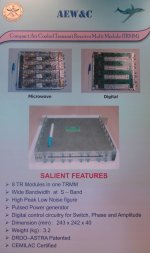
^^ That poster is from CABS itself.
Even if there were competing designs for the AAAU array, it's unlikely to have been in different bands. They decide on things like frequency pretty early.

I would like to add that even in their own newsletter, DRDO mentioned that the primary radar was developed by LRDE, while CABS holds the IPR for the AAAU.The L-band seems like it may have been an old proposal that was dropped early on. @Arpit did some digging and found this:
View attachment 44288
^^ That poster is from CABS itself.
Even if there were competing designs for the AAAU array, it's unlikely to have been in different bands. They decide on things like frequency pretty early.
The AAAU is a complete packaged unit of the radar, along with associated components, that is mounted on top of the Embrer aircraft.
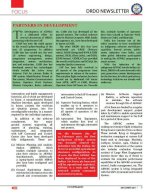
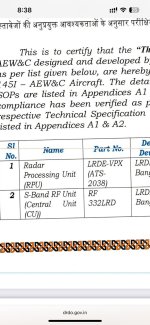
Furthermore, the airworthiness certificate available from CEMILAC clearly mentions that the RF units in the primary radar operate in the S-band manufactured by AMPL. It also clearly states that LRDE developed the primary radar—there were not two separate radars. LRDE was responsible for the primary radar, while CABS developed the AAAU.


The L-band seems like it may have been an old proposal that was dropped early on. @Arpit did some digging and found this:
View attachment 44288
^^ That poster is from CABS itself.
Even if there were competing designs for the AAAU array, it's unlikely to have been in different bands. They decide on things like frequency pretty early.
Yeah, I've seen that. But we can't tell LRDE's program apart from CABS'.
Furthermore, the L-STAR mentioned in the parliament report was from 2014, when Netra was in its final stage.
I would like to add that even in their own newsletter, DRDO mentioned that the primary radar was developed by LRDE, while CABS holds the IPR for the AAAU.
The AAAU is a complete packaged unit of the radar, along with associated components, that is mounted on top of the Embrer aircraft.
View attachment 44290
Furthermore, the airworthiness certificate available from CEMILAC clearly mentions that the RF units in the primary radar operate in the S-band manufactured by AMPL. It also clearly states that LRDE developed the primary radar—there were not two separate radars. LRDE was responsible for the primary radar, while CABS developed the AAAU.
View attachment 44291
Incorrect. AAAU refers to subarrays or the main array in the primary radar, ie, the frontend.
Active Antenna Array Unit (AAAU) | Defence Research and Development Organisation - DRDO, Ministry of Defence, Government of India
The Active Antenna Array Unit (AAAU) is a combined antenna system for Radar and IFF systems of AEW&C. The antenna unit provides fully Active Electronic Scanning Array (AESA) for radar and passive electronic scanning antenna for IFF. The array has in built controller unit with multiple units to...
Here's an example.
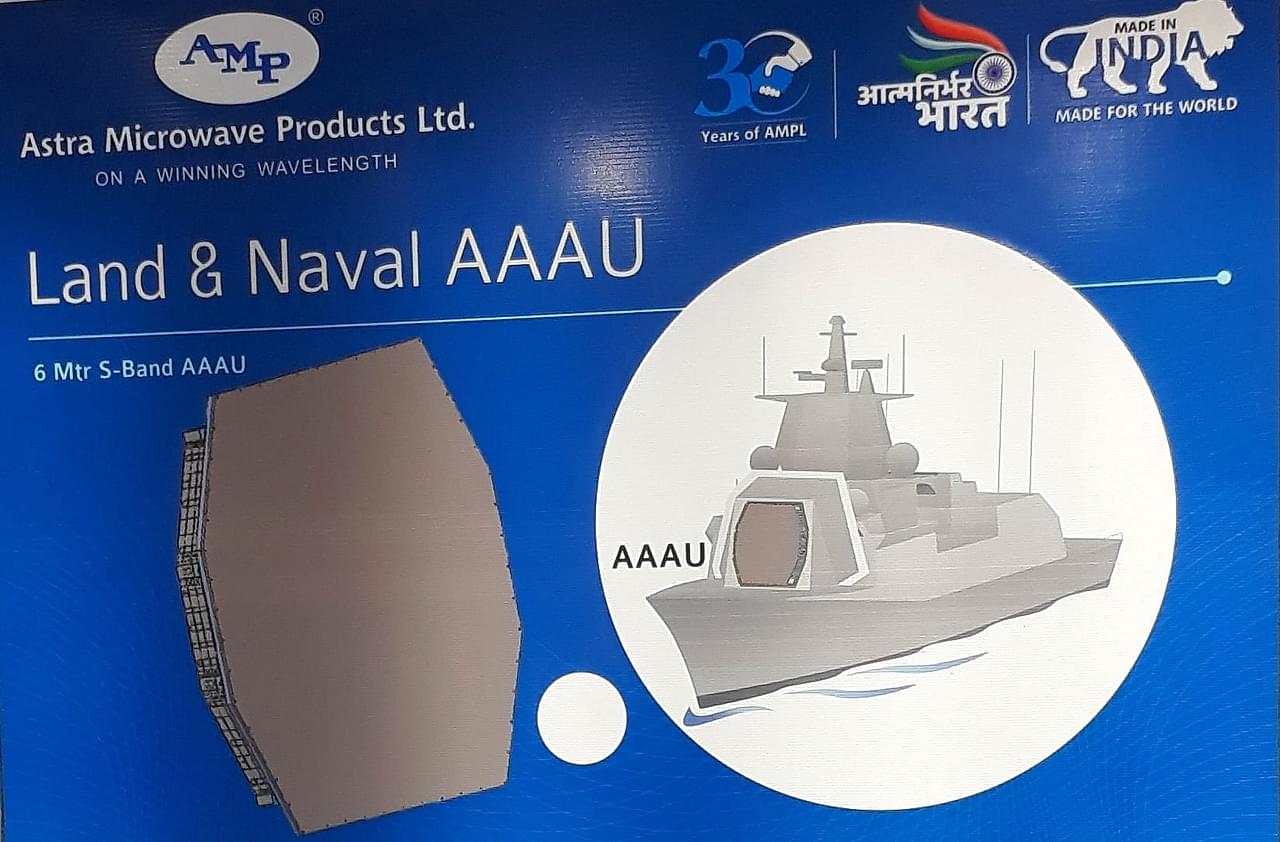
Explained: The Indian Navy' New Game-Changing Radar
The Astra AAAU provides a boost to the Indian's Navy's detecting, locating, and tracking capabilities. Over and above this, its development marks a major step for India being 'atmanirbhar' in defence.
swarajyamag.com
When you combine the AAAU to its cooling and processing system, ie, the backend, it becomes a radar.
When it says LRDE contributed to the primary radar, the CABS radar uses LRDE's processor, so the backend came from LRDE while the frontend, ie, AAAU, came from CABS. This AAAU is different from the LRDE developed AAAU. Your article mentions that, it says almost the entire radar and its networking system was developed by CABS.
Anyway CEMILAC is the certification authority for anything military that's meant to fly, so everybody needs to get their stuff certified to even flight test it. This has no bearing on the discussion.
aewc on track , also the sigint now cleared by DAC should see progress in that front too
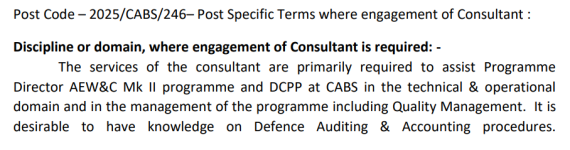
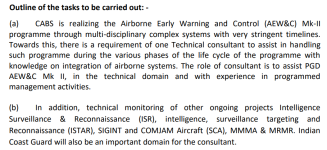
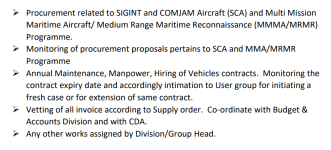


SIGINT?aewc on track , also the sigint now cleared by DAC should see progress in that front too
View attachment 45055
View attachment 45054
View attachment 45056

Signi= signal intelligenceSIGINT?
Comjam= communication jamming.
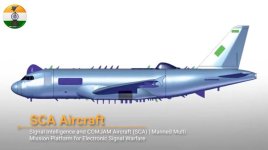
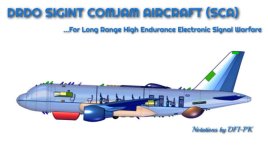

When are they aiming to deliver SIGINT and COMJAM plane?aewc on track , also the sigint now cleared by DAC should see progress in that front too
View attachment 45055
View attachment 45054
View attachment 45056
Signi= signal intelligence
Comjam= communication jamming.
View attachment 45059View attachment 45060
I know what it means, I just don't know whether IAF has plans to acquire them as haven't heard about the SIGINT aircraft project like the way ISTAR is discussed. Does the IAF have any plans for dedicated EW aircrafts as well?

This obsession with "dedicated EW aircraft" just because some Pakistanis had a few from the 80s have to stop. It is up to the IAF to decide if that is necessary. If it were, they would have gone forward with procurement. We are not behind "EW" we just dont see a need for separate aircraft as of now. We dont have enough information about ORBAT to answer why. Everything cant be public information.I know what it means, I just don't know whether IAF has plans to acquire them as haven't heard about the SIGINT aircraft project like the way ISTAR is discussed. Does the IAF have any plans for dedicated EW aircrafts as well?
Last edited:
first let the work start , this is only for needed technical manpower role to oversee. Would take several years when the work start.When are they aiming to deliver SIGINT and COMJAM plane?
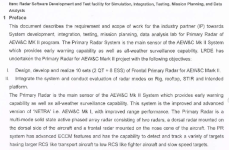
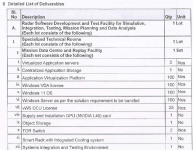

windows and nvidia GPU?
for military? are you *censored*ing kidding me?
If you have windows software developed,
then please develope linux based system and use wine,
use everything but windows.
What alternative to Nvidia GPU is there? AMD? Also American. We don't have our own GPU. BTW Nvidia GPUs use more advanced tech than the chips which go into nuclear missiles and SAMs lol. Like it's a difference of generations. The most advanced chip in F35 is nowhere near the sophistication of the latest Nvidia GPU chips which a layman like me can buy.windows and nvidia GPU?
for military? are you *censored*ing kidding me?
If you have windows software developed,
then please develope linux based system and use wine,
use everything but windows.
its a test rig only, ground setup.

Indigenous Awacs gets go-ahead, to be developed by DRDO
Government gives nod to Netra Mk2.
A321 based, 3 year timeline.
Cost raised to ₹20,000 crores (earlier reports last year said ₹11,000 crores)
All round coverage??? (Mentioned in the above report by Manu)
Government gives nod to Netra Mk2.
A321 based, 3 year timeline.
Cost raised to ₹20,000 crores (earlier reports last year said ₹11,000 crores)
All round coverage??? (Mentioned in the above report by Manu)
Is CCS approval not yet given for Netra MK2?Indigenous Awacs gets go-ahead, to be developed by DRDO
Government gives nod to Netra Mk2.
A321 based, 3 year timeline.
Cost raised to ₹20,000 crores (earlier reports last year said ₹11,000 crores)
All round coverage??? (Mentioned in the above report by Manu)
Wait is this fr? I thought it was for Mk1A.Indigenous Awacs gets go-ahead, to be developed by DRDO
Government gives nod to Netra Mk2.
A321 based, 3 year timeline.
Cost raised to ₹20,000 crores (earlier reports last year said ₹11,000 crores)
All round coverage??? (Mentioned in the above report by Manu)