It seems, similar-sized TEL (12 wheels) appears to be carrying both BrahMos and LR-ASHM.
View attachment 41389

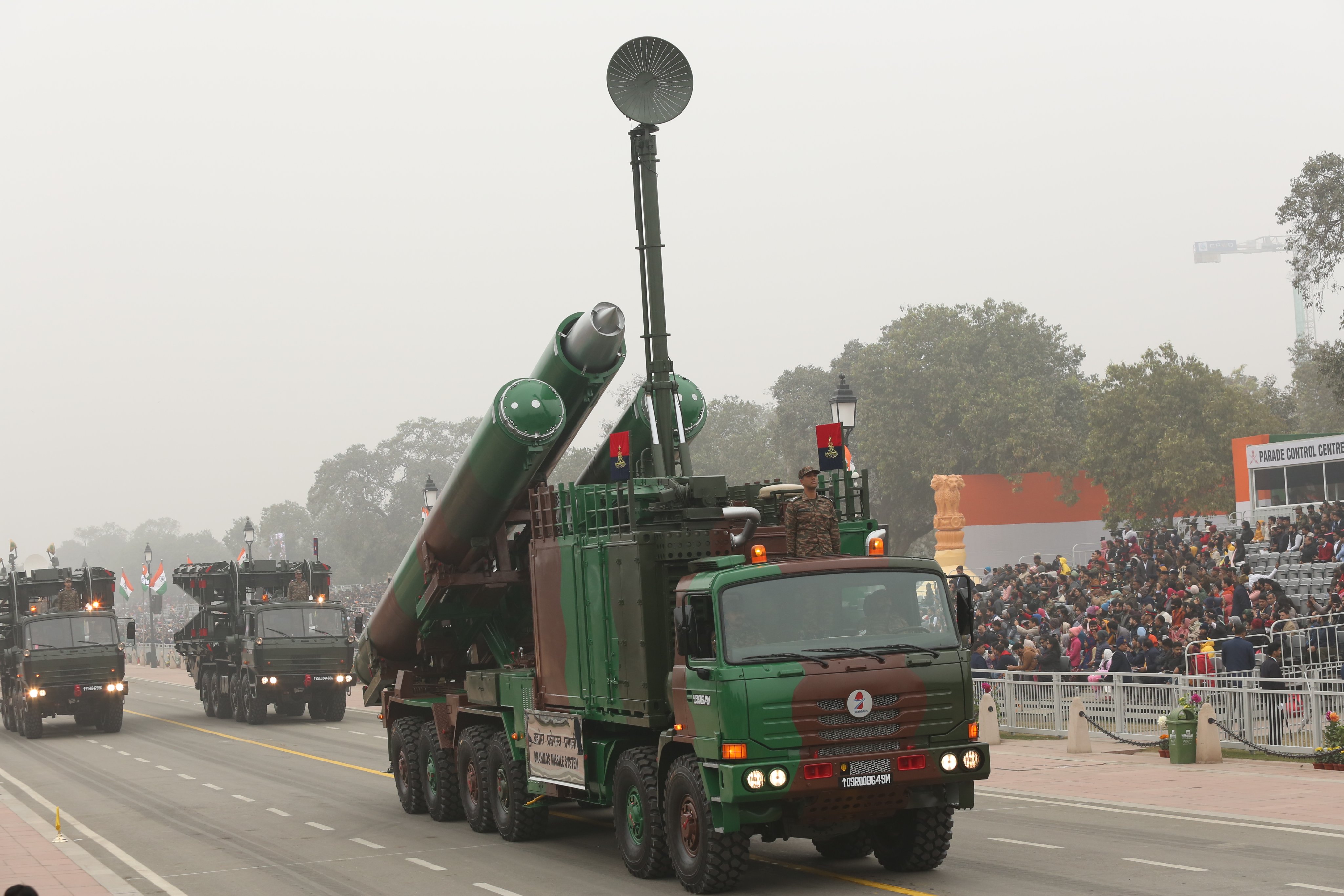
Correct, the difference is that Pralay is a heavier missile, thus only two per TEL. Brahmos is 3 ton while Pralay is 5 ton.
It seems, similar-sized TEL (12 wheels) appears to be carrying both BrahMos and LR-ASHM.
View attachment 41389
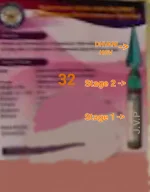


This one, right?that is the same one I posted long time ago. Also had the shell rv pic elsewhere.
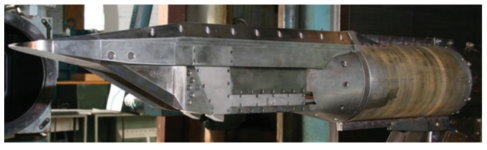
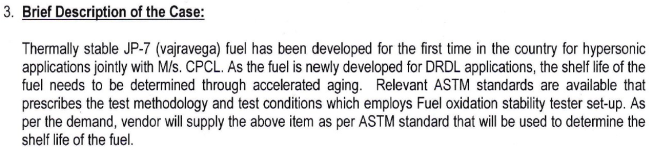
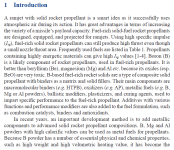
No , the slide pic. Either here or in the other munition missiles thread, over 2 years ago. The shell one is the reentry vehicle shell structure of Agni 5 class rv.
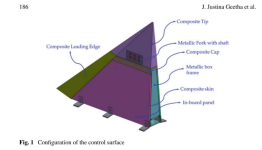
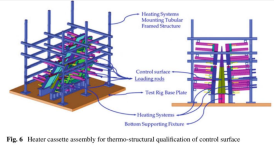
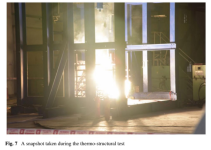
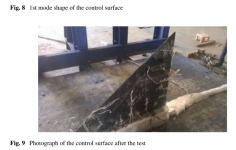
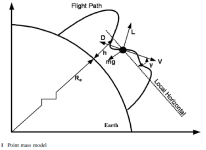
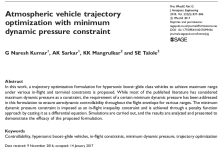
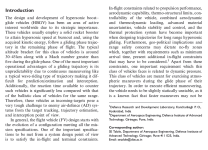
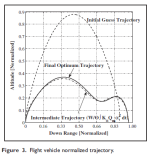
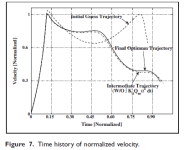

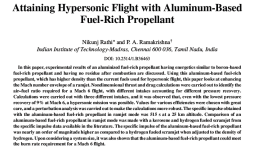
In Hypersonic cruise missiles.Papers of the above post are attached here.
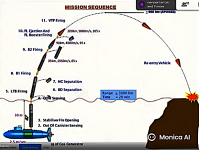
Another interesting part is the booster stage, as per info-graphic and estimates the 1.3meter dia booster is about 3.25meter long. That is a bit less than K4 booster 1.4m dia 5.5m long , but more than A1P P1 motor 1.2m dia 4.5 meter length. So taking K4 mission cue,
View attachment 42584
this booster can obviously propel the HGV-KV to desired altitude while keeping the kinematic needed for the HGV to operate as wanted. 4km/s is almost mach 12 at 90km altitude in space , so LRAShM can attain max 3.3km/s speed (mentioned at Vigyan event) at altitude well below 90km before reentry conditions. Hence with optimised trajectory , to satisfy mission specific conditions it can give a range far exceeding the touted 1500km easily without even leaving the atmosphere.
But because it is antiship, it makes no sense to go further hence hybrid HGV-KV design, rather accuracy is the first priority over range due to seeker op. Seeker will be active in the last 30-50km possibly a bit more, do not know. it also depend on the thermal battery. So it is not a powered hypersonic cruise missile but it flies like a cruise missile.
In land attack mode this pure HGV will be able to strike well over 2000-2200 km. Whether they use the same BM-04 RV is to be seen but like the Uttam radar, a base technology is established and flight test proven. Now scale up and down as per platform based product.
In Hypersonic cruise missiles.Papers of the above post are attached here.
Another interesting part is the booster stage, as per info-graphic and estimates the 1.3meter dia booster is about 3.25meter long. That is a bit less than K4 booster 1.4m dia 5.5m long , but more than A1P P1 motor 1.2m dia 4.5 meter length. So taking K4 mission cue,
View attachment 42584
this booster can obviously propel the HGV-KV to desired altitude while keeping the kinematic needed for the HGV to operate as wanted. 4km/s is almost mach 12 at 90km altitude in space , so LRAShM can attain max 3.3km/s speed (mentioned at Vigyan event) at altitude well below 90km before reentry conditions. Hence with optimised trajectory , to satisfy mission specific conditions it can give a range far exceeding the touted 1500km easily without even leaving the atmosphere.
But because it is antiship, it makes no sense to go further hence hybrid HGV-KV design, rather accuracy is the first priority over range due to seeker op. Seeker will be active in the last 30-50km possibly a bit more, do not know. it also depend on the thermal battery. So it is not a powered hypersonic cruise missile but it flies like a cruise missile.
In land attack mode this pure HGV will be able to strike well over 2000-2200 km. Whether they use the same BM-04 RV is to be seen but like the Uttam radar, a base technology is established and flight test proven. Now scale up and down as per platform based product.
Yes, the key aspect here is the ramjet, scramjet, dual mode ramjet/scramjet etc are varied form of air breathing propulsion. This is where the relation with respect to altitude is easier to understand. The further we go up the atmosphere air density lessen, oxygen is less in air. So a propulsion technique that relies on the airflow turned supersonic inside the combustion chamber need sufficient amount of the oxidizer to keep the combustion running. That is possible in the dense lower altitude region of 20-35km.In Hypersonic cruise missiles.
The cruise phase is a flight profile/characteristic.
While it has become common to associate it with scramjet, but ultimately scramjet itself is just a propulsion method to push the missile forward and attain sustained Hypersonic speed at sustained altitude
Yes, here the difference is very high initial kinematic thrust provided by a solid rocket motor for LRAShM / HGV case vs a throughout powered flight for scramjet powered HCM.The rocket in LR-ASHM does the same thing, propelling it forward and attain sustained Hypersonic speed at sustained altitude.
Scramjet uses air as an oxidizer while rocket motor has entire fuel inside the missile.
So scramjets are lot more efficient than rocket engine.
Scramjet right now is the most efficient method of propulsion for a HCM but its not the only method of propulsion to attain sustained Hypersonic speed while cruising at sustained altitude.

One doubt- What about Zircon? Is it fake- what my hunch is that Russians are fooling us all these times that it is not some Hypersonic Scramjet but your regular Rocket Powered Hypersonic Cruise just like our Shaurya Missile or am i wrong?Yes, the key aspect here is the ramjet, scramjet, dual mode ramjet/scramjet etc are varied form of air breathing propulsion. This is where the relation with respect to altitude is easier to understand. The further we go up the atmosphere air density lessen, oxygen is less in air. So a propulsion technique that relies on the airflow turned supersonic inside the combustion chamber need sufficient amount of the oxidizer to keep the combustion running. That is possible in the dense lower altitude region of 20-35km.
Now due to relative dense atmosphere, the aerodynamic drag and subsequent aerodynamic heating is also higher across the leading edges of the aerial vehicle/cruise vehicle due to its speed. So its a design choice to choose at which altitude it can give optimum performance. The HCM will be able to cruise at 25-30km altitude for long duration of its flight.
Yes, here the difference is very high initial kinematic thrust provided by a solid rocket motor for LRAShM / HGV case vs a throughout powered flight for scramjet powered HCM.
The rocket motor booster give high thrust initially but can only burn for a limited time, even if we consider max burn time of say 60-80 second which would be a very long burn in case of rocket motors. This is possibly satisfactory for an HGV operating over a 1500km range at a 30-45km altitude region.
In comparison the scramjet will be able to burn for a sustained period of 120-200 seconds duration. This operational period is after the scramjet ignition once the initial booster propels the cruise vehicle to desired altitude and satisfies the required initial thrust condition so the scramjet can ignite which is ~ mach 2 airflow for ignition. This is why it is called Long Duration HCM where we need suitable material that can withstand internal combustion chamber pressure and heating for long duration > 100 sec.
Yes other than scramjet, a rotating detonation wave engine can also propel to hypersonic speed.
Zircon is their system. if it happens ie Brahmos 2 it may happen through the jv route but unlikely at present. So far all Brahmos related work has been happening locally for a few years now.One doubt- What about Zircon? Is it fake- what my hunch is that Russians are fooling us all these times that it is not some Hypersonic Scramjet but your regular Rocket Powered Hypersonic Cruise just like our Shaurya Missile or am i wrong?