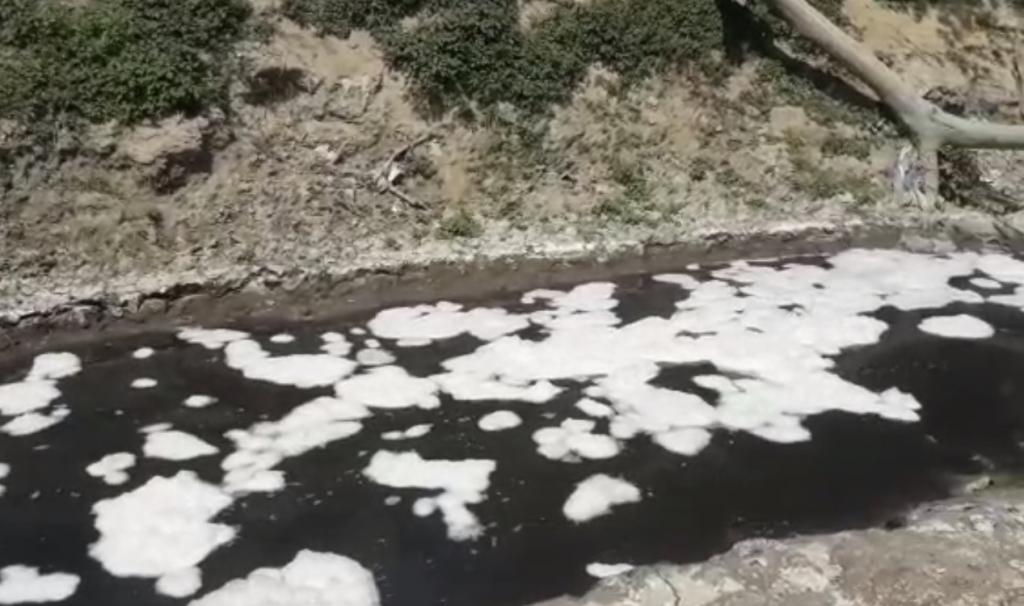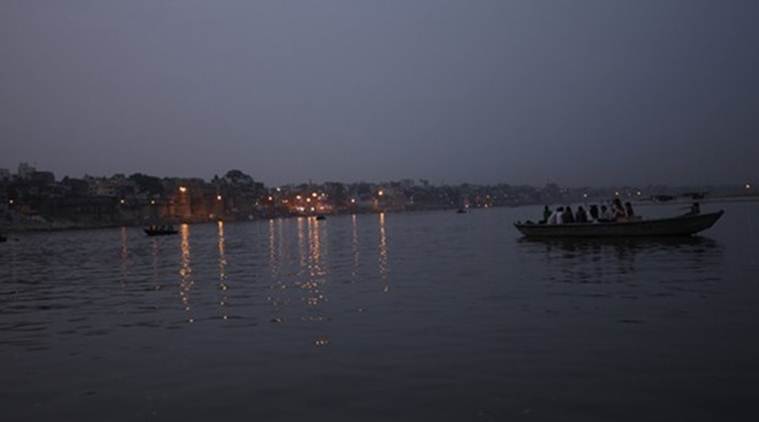

Namami Gange: 80% of river Ganga to be clean by March? Several steps being taken by Nitin Gadkari’s ministry
Under the Namami Gange programme, the dissolved oxygen levels have improved at 39 locations, Biological Oxygen Demand (BOD) levels have decreased at 42 and Faecal Coliforms have decreased at 47 locations.
The Central Pollution Control Board (CPCB), under the Namami Gange programme, is monitoring the water quality of river Ganga.
Namami Gange Mission: By March 2019, Modi government is hoping to clean 80% of river Ganga! It’s a tall task, one that is under Union Water Resources Minister Nitin Gadkari. Several projects have been sanctioned by his ministry for the same, and Gadkari is positive that by March 2019, India will see a much cleaner river Ganga. Recently, in a written reply in Lok Sabha, Union Minister of State for Ganga Rejuvenation Dr Satya Pal Singh stated that till the month of November, 2018, at a cost of around Rs 24,672 crore, as many as 254 projects of sewerage infrastructure, modular Sewage Treatment Plants (STPs), bioremediation, rural sanitation, construction of ghats and crematoria development, industrial pollution abatement, biodiversity and afforestation, construction of ghats and crematoria development, river surface cleaning, ghat cleaning, composite ecological task force as well as capacity building have been sanctioned.
Under the Namami Gange programme, the dissolved oxygen levels have improved at 39 locations, Biological Oxygen Demand (BOD) levels have decreased at 42 and Faecal Coliforms have decreased at 47 locations. Some of the stretches, where the improvement has been observed include Down stream Rishikesh, Har-Ki- Pauri Ghat, Kanpur Up stream (Ranighat), Tarighat (Ghazipur), Narora (Bulandsahar), Kachhla Ghat, Aligarh, Mokama Down stream, Up stream Munger, Uluberia, Dakshineshwar, Buxar, Diamond Harbour.
In the reply, it has been stated that till November 2018, a total of 131 projects, including 105 on the Ganga river and 26 on tributaries, of sewerage infrastructure at cost of Rs 19,742 crore, have been sanctioned for creation of 3083 MLD (Million Litres per Day) new STP (Sewage Treatment Plant) capacity, rehabilitation of 886 MLD STP capacity as well as laying of sewerage networks of around 4871 km. So far, as many as 31 projects of pollution abatement have been completed, resulting in laying of sewer networks of 2268 km and creation of 560 MLD of sewage treatment plant capacity in the river Ganga basin. From 2014-2015 to November 2018, Rs 4,994.10 crore has been spent by the government against the total released amount of Rs 6,131.22 crore, the minister informed.
The Central Pollution Control Board (CPCB), under the Namami Gange programme, is monitoring the water quality of river Ganga. Following a comparison, the observed water quality indicated that is an indicator of river health, Dissolved Oxygen has been found to be within acceptable limits of notified primary bathing water quality criteria. Also, the water has been found to be satisfactory in order to support the ecosystem of the river across all seasons and also for almost entire stretch of the Ganga river. The minister also claimed that the water quality assessment of river Ganga in 2018 has shown trend of improved water quality as compared to its previous year.
Namami Gange: 80% of river Ganga to be clean by March? Several steps being taken by Nitin Gadkari’s ministry
Under the Namami Gange programme, the dissolved oxygen levels have improved at 39 locations, Biological Oxygen Demand (BOD) levels have decreased at 42 and Faecal Coliforms have decreased at 47 locations.
The Central Pollution Control Board (CPCB), under the Namami Gange programme, is monitoring the water quality of river Ganga.
Namami Gange Mission: By March 2019, Modi government is hoping to clean 80% of river Ganga! It’s a tall task, one that is under Union Water Resources Minister Nitin Gadkari. Several projects have been sanctioned by his ministry for the same, and Gadkari is positive that by March 2019, India will see a much cleaner river Ganga. Recently, in a written reply in Lok Sabha, Union Minister of State for Ganga Rejuvenation Dr Satya Pal Singh stated that till the month of November, 2018, at a cost of around Rs 24,672 crore, as many as 254 projects of sewerage infrastructure, modular Sewage Treatment Plants (STPs), bioremediation, rural sanitation, construction of ghats and crematoria development, industrial pollution abatement, biodiversity and afforestation, construction of ghats and crematoria development, river surface cleaning, ghat cleaning, composite ecological task force as well as capacity building have been sanctioned.
Under the Namami Gange programme, the dissolved oxygen levels have improved at 39 locations, Biological Oxygen Demand (BOD) levels have decreased at 42 and Faecal Coliforms have decreased at 47 locations. Some of the stretches, where the improvement has been observed include Down stream Rishikesh, Har-Ki- Pauri Ghat, Kanpur Up stream (Ranighat), Tarighat (Ghazipur), Narora (Bulandsahar), Kachhla Ghat, Aligarh, Mokama Down stream, Up stream Munger, Uluberia, Dakshineshwar, Buxar, Diamond Harbour.
In the reply, it has been stated that till November 2018, a total of 131 projects, including 105 on the Ganga river and 26 on tributaries, of sewerage infrastructure at cost of Rs 19,742 crore, have been sanctioned for creation of 3083 MLD (Million Litres per Day) new STP (Sewage Treatment Plant) capacity, rehabilitation of 886 MLD STP capacity as well as laying of sewerage networks of around 4871 km. So far, as many as 31 projects of pollution abatement have been completed, resulting in laying of sewer networks of 2268 km and creation of 560 MLD of sewage treatment plant capacity in the river Ganga basin. From 2014-2015 to November 2018, Rs 4,994.10 crore has been spent by the government against the total released amount of Rs 6,131.22 crore, the minister informed.
The Central Pollution Control Board (CPCB), under the Namami Gange programme, is monitoring the water quality of river Ganga. Following a comparison, the observed water quality indicated that is an indicator of river health, Dissolved Oxygen has been found to be within acceptable limits of notified primary bathing water quality criteria. Also, the water has been found to be satisfactory in order to support the ecosystem of the river across all seasons and also for almost entire stretch of the Ganga river. The minister also claimed that the water quality assessment of river Ganga in 2018 has shown trend of improved water quality as compared to its previous year.
Namami Gange: 80% of river Ganga to be clean by March? Several steps being taken by Nitin Gadkari’s ministry
Last edited by a moderator: