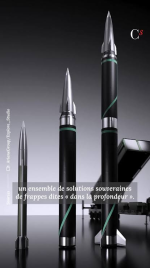
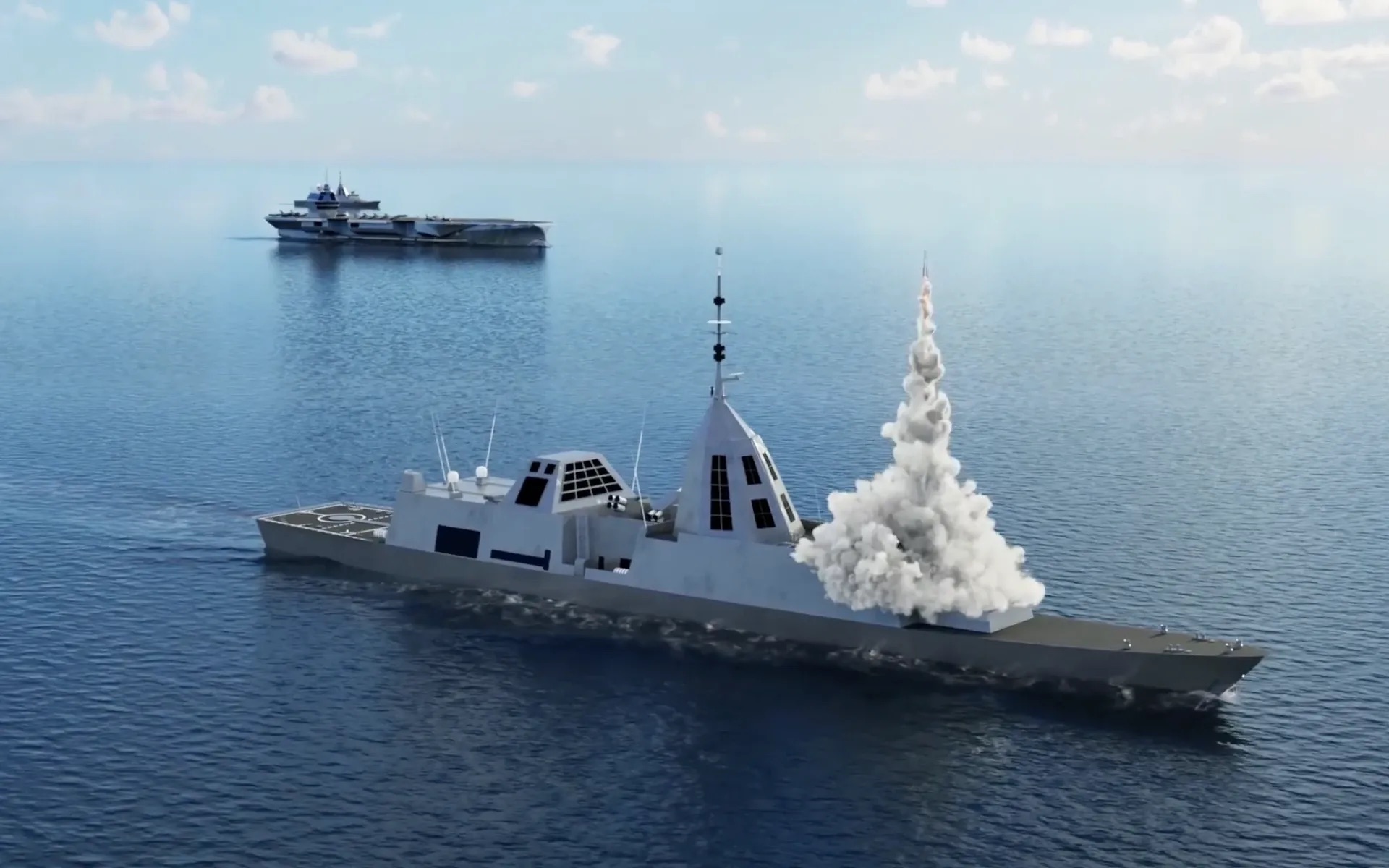
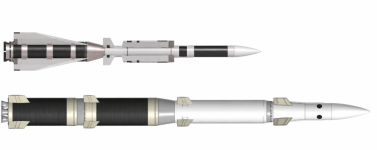
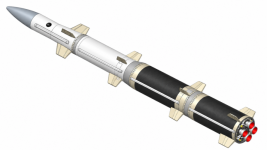
The goal is to develop an interceptor capable of engaging threats with very different flight profiles using a single missile. Specifically, it must be able to engage medium- and intermediate-range ballistic missiles (over 3,000 kilometers), as well as hypersonic glide vehicles (HGVs) and hypersonic cruise missiles (HCMs). The latter present a particular challenge, as they can operate at very high speeds while performing significant maneuvers, notably at altitudes between 30 and 45 kilometers in the upper atmosphere. Conversely, ballistic missiles follow largely predictable trajectories, mostly outside the atmosphere, while their atmospheric reentry vehicles can reach speeds of Mach 16 to 17. According to MBDA, no existing interceptor system currently allows a single interceptor to cover all these threats, both endo-atmospheric and exo-atmospheric. In the United States, such a global capability requires the use of two different types of effectors, for example the SM-3 (which also adopts a 4-stage architecture) for exo-atmospheric interception, and the THAAD or the Patriot PAC-3 for interceptions in the atmosphere.