

US Military Technology
- Thread starter BMD
- Start date
You are using an out of date browser. It may not display this or other websites correctly.
You should upgrade or use an alternative browser.
You should upgrade or use an alternative browser.

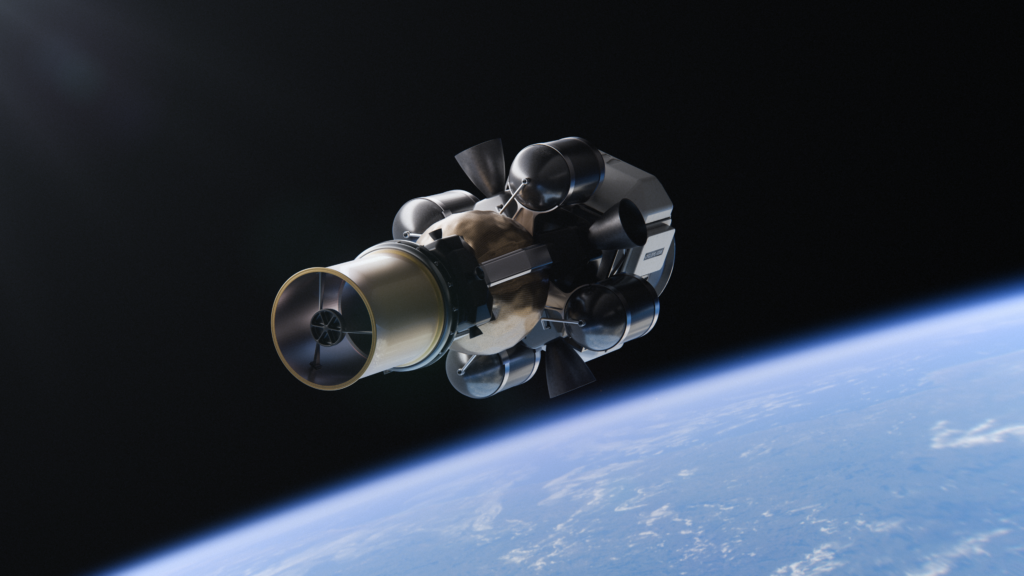
MDA awards $75M to Long Wall for low-cost, midcourse interceptor testing - Breaking Defense
Long Wall is matching the Missile Defense Agency's funding with its own capital to continue development of the Cyclops, according to the company.
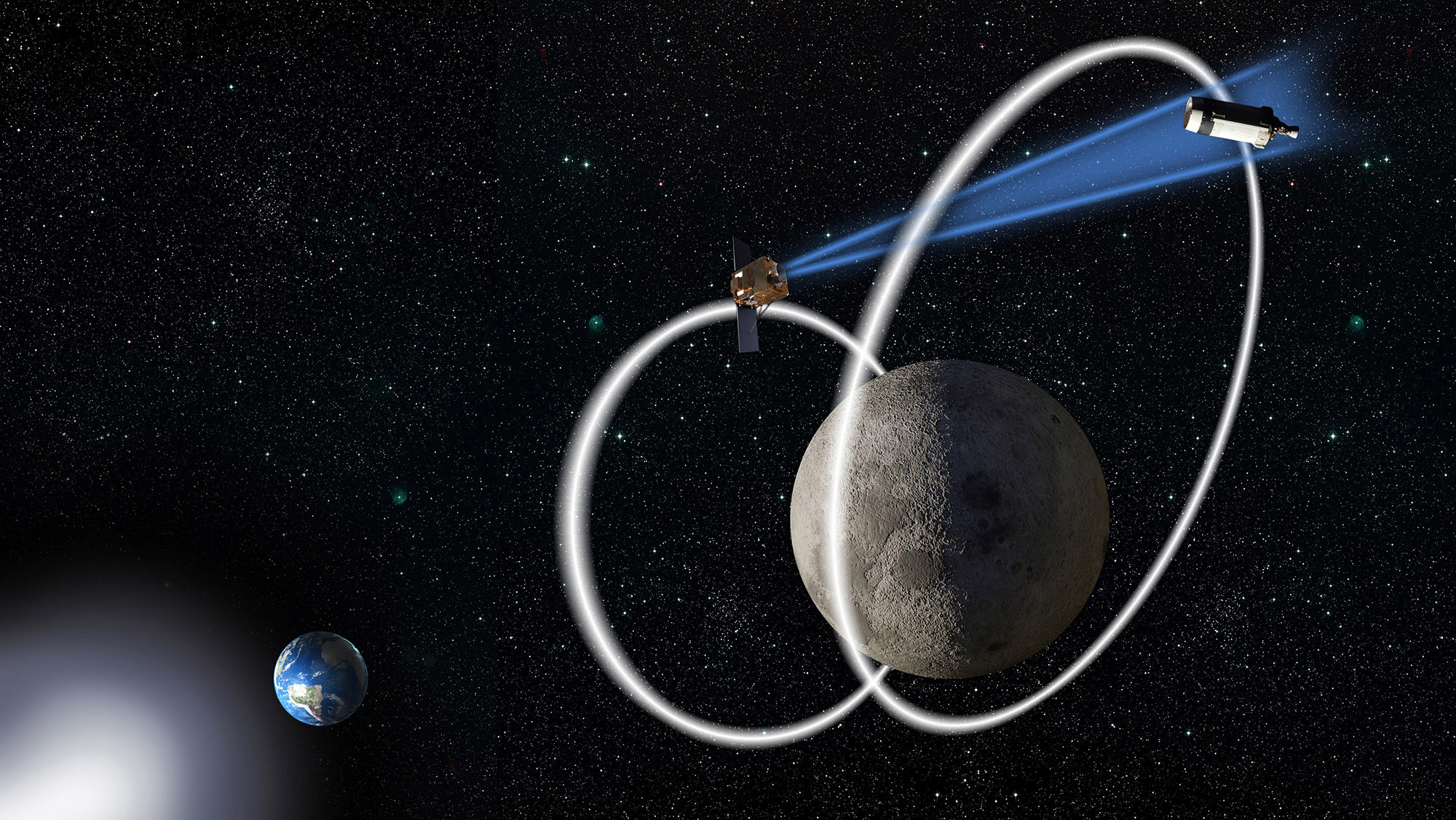
AFRL Plans to Award $30M for Cislunar Operations Project
AFRL plans to launch a tech challenge next month meant to speed up development of systems that can operate in cislunar space.
 www.airandspaceforces.com
AFRL Plans to Award $30M for Cislunar Operations Project
AFRL plans to launch a tech challenge next month meant to speed up development of systems that can operate in cislunar space.
www.airandspaceforces.com
The Air Force Research Laboratory plans to launch its latest technology challenge next month—a project meant to speed up development of systems that can operate beyond geosynchronous orbit.
SpaceWERX is leading the effort, dubbed Cislunar Prime. The space innovation hub is looking for commercial capabilities that could put the Space Force on a faster path toward cislunar operations in three focus areas:
- space domain awareness
- cislunar communications
- positioning, navigation, and timing
The Space Force defines cislunar as the region of space past GEO and extending to the moon and beyond, hundreds of thousands of kilometers in distance and 1,728 times the volume of space complained within GEO. Conditions there present challenges for satellite operations like PNT and SDA, given its distance from the Earth and its unstable trajectories.




Umbra, ICEYE tout higher-resolution radar imaging with new satellites - Breaking Defense
Both companies are now offering resolutions significantly lower than the previous industry standard of around 25 centimeters, allowing customers to see smaller ground targets with higher fidelity.
WASHINGTON — Two of the world’s most prominent synthetic aperture radar (SAR) imaging firms, Umbra and ICEYE, are now offering government and commercial customers higher-resolution imagery as the international market for remote sensing satellite services expands.
California-based Umbra debuted its new Freetail satellite model today, promising performance levels commensurate with much larger satellites in a spacecraft weighing 200 kilogram (about 441 pounds). The satellites will be able to produce images with resolutions down to five centimeters. The first of these new satellites, called Freetail 5, is slated to fly in 2028, according to the company’s announcement.
Last edited:
It has a 5-meter antenna compared to 3.6 meter of RISAT-2BR2, it has a 4 GHz instantaneous bandwidth.Umbra, ICEYE tout higher-resolution radar imaging with new satellites - Breaking Defense
Both companies are now offering resolutions significantly lower than the previous industry standard of around 25 centimeters, allowing customers to see smaller ground targets with higher fidelity.breakingdefense.com
LRDE tested a chip in 2024 that can enable them to achieve 5cm resolution from a 500km circular orbit (similar 4 GHz bandwidth), it still had some issues that needed ironing out, though it's been 2 years.